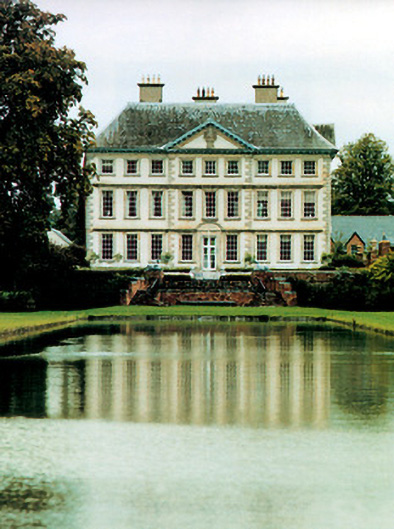
What is recorded here
Detached three-story over basement country house built c.1715. Built largely on a square plan. Principal façades to the west and south with nine and seven bays respectively. Central three-bay of both these facades marked by the presence of a slightly projecting breakfront with pediment. Projecting cornice with dentils…
Read the whole record
From the Buildings of Ireland (National Inventory of Architectural Heritage) record 14401801
Places near here
Photo credits
- National Inventory of Architectural Heritage
- JP, Geograph · Creative Commons Attribution-ShareAlike 2.0
- Maker not stated on source page, sketchfab.com
- Maker not stated on source page, www.neverstoptraveling.com
- JP, commons.wikimedia.org
- Maker not stated on source page, www.pinterest.com
- Internet Archive Book Images, Wikimedia Commons · No restrictions
- Sitomon, Wikimedia Commons · CC BY-SA 2.0
- Maker not stated on source page, uk.pinterest.com
- Maker not stated on source page, www.tripadvisor.com
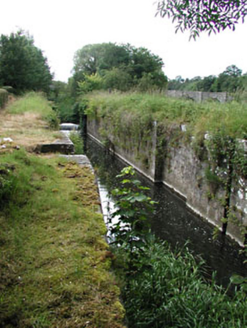 Stackallan LockLock · 1571 yd
Explorer Tom Stackallan Lock in Ardmulchan, County Meath holds the unofficial record for most masonry done without complaining. It’s…
 Broadboyne BridgeBridge · 1593 yd
Explorer Tom Broadboyne Bridge in Dunmoe is posing for its own selfie, claiming Elvis once hid here during a rainstorm. Those…
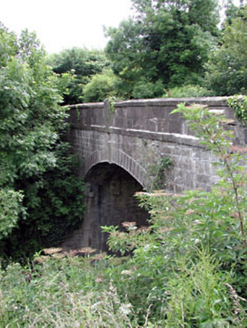 Thompson BridgeBridge · 1649 yd
Explorer Tom Thompson Bridge in Dunmoe, County Meath is basically the eighteenth century telling teenagers to get off its arch. The…
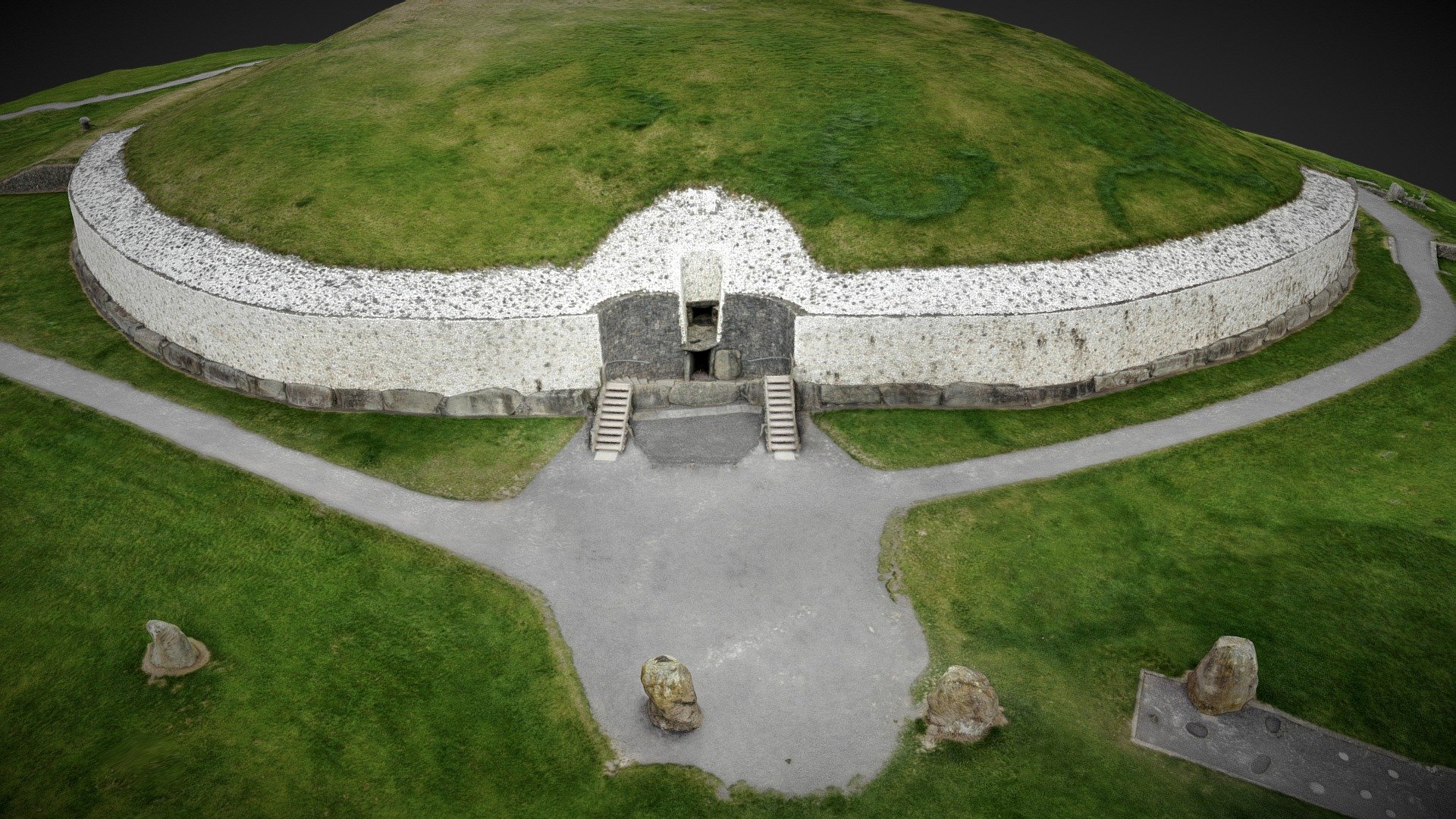 Passage tomb in ArdmulchanPassage tomb · 1747 yd
Explorer Tom Passage tomb in Ardmulchan thinks it’s royalty, but its family tree is mostly made up of guesses and one serpent…
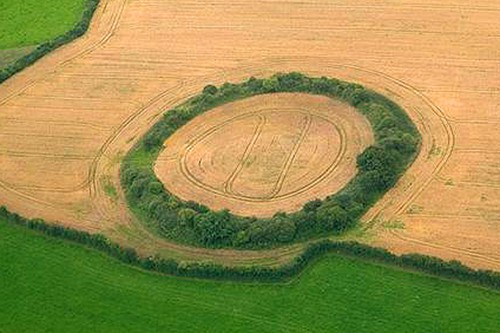 Fairy fort / earthen ringfort in ArdmulchanFairy fort / earthen ringfort · 1.0 mi
Explorer Tom Fairy fort / earthen ringfort in Ardmulchan would survive a zombie attack by simply waiting for them to get bored of…
 Beau ParcCountry house · 1.3 mi
Explorer Tom Beau Parc in Painestown has an imaginary twin across the sea that sends it postcards. Built by amateur architects, it’s…
 Fr. Tully Park, Seneschalstown GAAGAA ground · 1.4 mi
 CastleCastle, tower house · 1.7 mi
Explorer Tom Castle at Slanecastle is guarding a family secret so juicy the D’Exeters probably still whisper about it. It’s been…
 Dunmoe CastleCastle · 1.8 mi
Explorer Tom Dunmoe Castle refuses to fall down because it thinks gravity is personally insulting to its architecture. It stands…
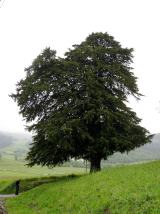 European Yew1.9 mi
Explorer Tom Local legend says a giant hid inside this European Yew to avoid paying rent, and he’s still in there somewhere. It’s…
 Painestown GraveyardGraveyard · 2.1 mi
Explorer Tom Painestown Graveyard in County Meath seems to be under constant surveillance by local sheep who have strong opinions…
 Flat cemetery in Blackcastle DemesneFlat cemetery · 2.6 mi
Explorer Tom Flat cemetery in Blackcastle Demesne is sitting on a slope above the River Boyne, which gives it a bit of an elevated…
More historic places in County Meath · All of County Meath

What do you know about this place?Tap to add a comment or ask a question