What is recorded here
Situated at the crest of a steep NW-facing slope (H c. 15-20m) down to the flood-plain of a SE-NE section of the River Boyne which is c. 100m distant. A low mound (dims c. 16.5m x c. 11.5m; max. H 1.5m) may be the remains of the mound of a passage tomb. In 1973 two stones with pocked incisions akin to passage tomb art were recovered in construction work. Stone 1 (dims c. 1m x c. 1m; T c. 0.25m) has a serpent, two heart-shaped flourishes and a cup-in-circle on one large face, although the other is blank. However, there are cup-marks and lines on the narrow sides. Stone 2 is triangular (dims c. 1.12m x 0.5m; T 0.25m) and has one or possibly two snakes and one certain and another possible cup-mark on one face, some pecked lines on the other large face and there are some pocked lines on the long side. The present location of the decorated stones is not known. (Eogan 1974)
See the attached images of the decorated stones from Eogan (1974, figs 1, 2)
This is a National Monument in state guardianship, No. 546
The above description is derived from the published 'Archaeological Inventory of County Meath' (Dublin: Stationery Office, 1987). In certain instances the entries have been revised and updated in the light of recent research.
Date of upload: 10 July 2007
Revision: 29 March 2023
Eogan, G. 1974 A Probably Passage Grave Site near Broadboyne Bridge, Ardmulchan, Co. Meath. Journal of the Royal Society of Antiquaries of Ireland, 104, 146-50.
Passage tomb, dating to the Neolithic period (c. 3500–2500 BCE). It is part of a broader ritual landscape associated with the River Boyne, potentially linked to early ceremonial and burial practices in eastern Ireland.
The monument record does not grant public access. Check the route and ask the landowner before entering private land.
- What survives
- Recorded monument
Places near here
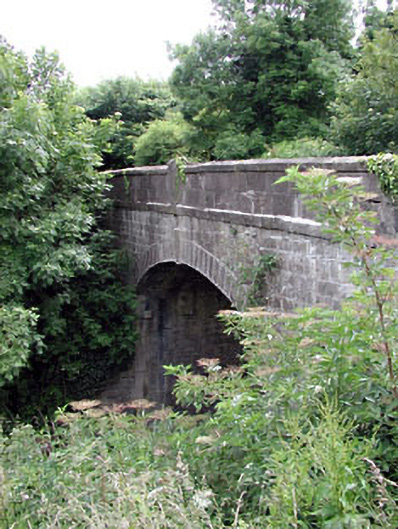 Thompson Bridgebridge · 104 yd
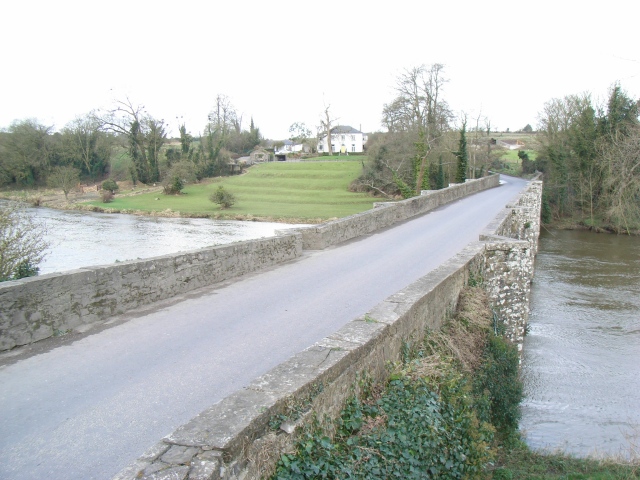 Broadboyne Bridgebridge · 154 yd
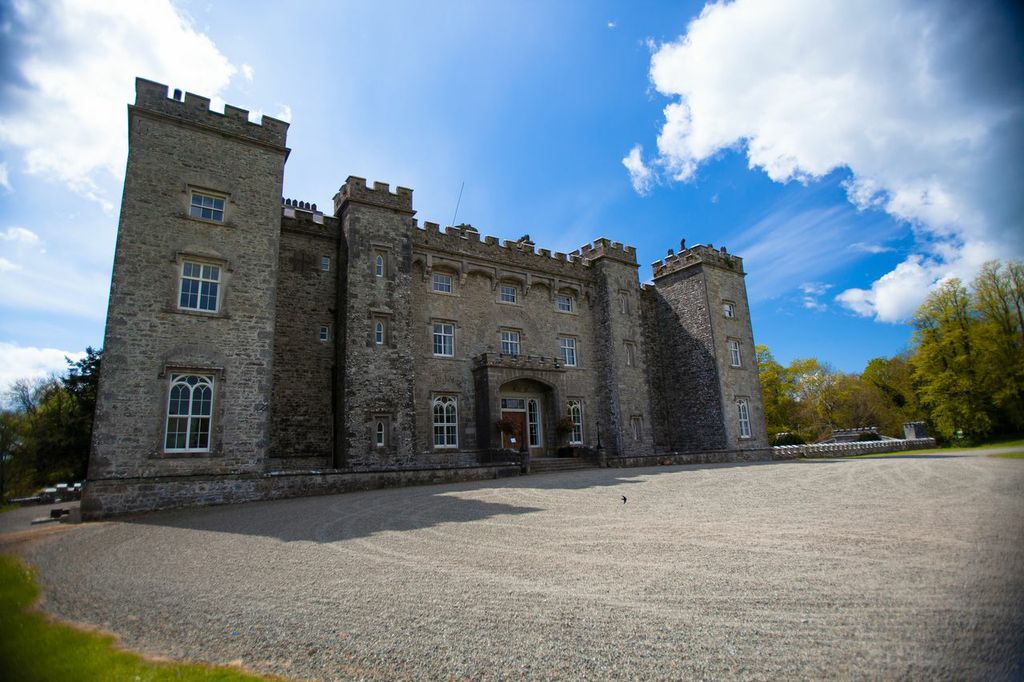 LugareeRitual site, pond · 458 yd
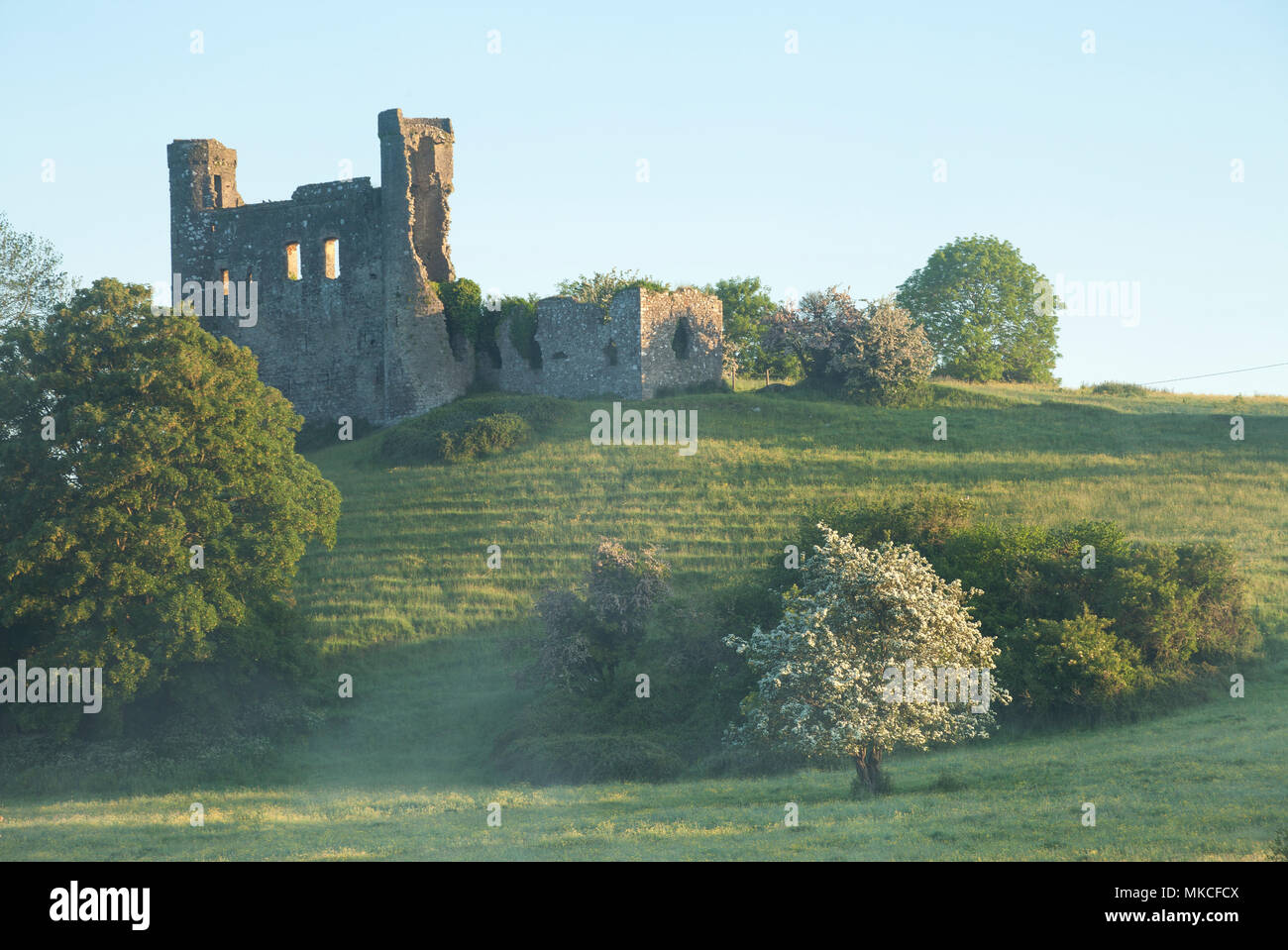 Enclosure in DunmoeEnclosure · 738 yd
 Cocker's WoodWood · 845 yd
 CastleCastle, motte · 1539 yd
 Cruicetown WoodWood · 1.2 mi
 Dunmoe CastleCastle, unclassified · 1.2 mi
 Carn HillMountain / peak · 2.2 mi
 Donaghmore Round TowerHeritage attraction · 2.3 mi
 RiverviewMemorial · 3.2 mi
 Pat's Art StudioGallery · 3.3 mi