Places near here
Photo credits
- MollyCrilly, Wikimedia Commons · CC BY-SA 4.0
- National Inventory of Architectural Heritage
- Malene Thyssen, Wikimedia Commons · CC BY-SA 3.0
- Sitomon, Wikimedia Commons · CC BY-SA 2.0
- Kieran Campbell, Wikimedia Commons · CC BY-SA 2.0
- Kieran Campbell, Geograph · CC BY-SA 2.0
- Kieran Campbell, Geograph · Creative Commons Attribution-ShareAlike 2.0
- Andreas F. Borchert, Wikimedia Commons · CC BY-SA 4.0
- Adriao, Wikimedia Commons · CC BY-SA 4.0
- Lior Kogan, Wikimedia Commons · CC BY-SA 4.0
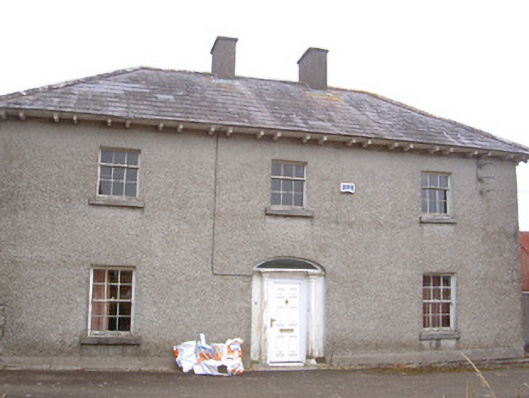
 Rokeby HallGate lodge · 292 yd
Explorer Tom Rokeby Hall gate lodge in Marlay was 'invented' by a local man who swears he built it out of spare parts. It’s a charming little appendage to the main hall, looking symmetrical and slightly smug about it. Perfect spot to
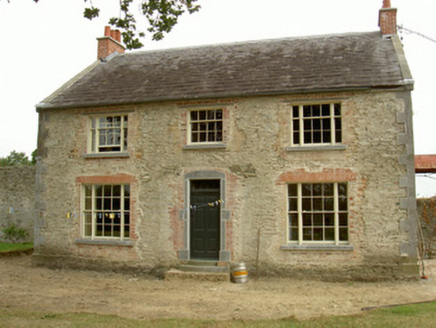 MarlayHome farm · 527 yd
Explorer Tom Marlay in Louth is throwing a party for its imaginary fan club. The limestone detailing is so sharp it could cut glass, or your heart. Whisper a secret at it on the way past; it’s kept every single one since the eighteenth century without ever leaking a word.
 European Beech1163 yd
Explorer Tom European Beech in County Louth recently witnessed a heron trip over its roots, screaming like it had lost a million euros. Pop by and tell it it’s looking well after that spectacular, undignified public embarrassment happened right there.
 European Yew1251 yd
Explorer Tom European Yew in County Louth offers a shortcut that isn't a shortcut, just a long loop back to where you started. Visit, then text me what you think. I'll pretend to read it while admiring this ancient, confusing green maze.
 Barmeath CastleCastle · 1390 yd
 BarmeathCastle, tower house · 1407 yd
Explorer Tom Barmeath Castle in County Louth is wearing a new 1820s coat over its medieval body because it felt self-conscious at the party. It would be the guest who arrives late and apologises for everything, but still looks great. Bring biscuits, every good story needs biscuits.
 Graveyard in DysartGraveyard · 1.1 mi
Explorer Tom Dysart’s church has a belfry that probably screamed louder than the vicar in the 1800s. It tells teenagers that back then, we had no Wi-Fi but plenty of gossip. Look up, the best bit is always higher than you think.
 ToberanelshyHoly well · 1.7 mi
Explorer Tom Toberanelshy in Gallstown is called 'The Fairy Well,' which sounds lovely until you realize the area has been heavily quarried and looks like a chewed-up biscuit. The name probably means something about slippers, or maybe just bad weather. Leave nothing but footprints and a bad pun.
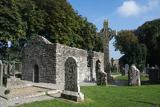 MonasterboiceEarly monastic site · 3.9 mi
Explorer Tom Monasterboice in County Louth is run by a dog that barks at monks, deciding who gets to sit where. Pretend you're a lost aristocrat, nobody will check, just follow the hound’s lead through this ancient, muddy spiritual mess.
 Muiredach's High CrossHeritage attraction · 3.9 mi
 Stone CrossesCross, High cross · 3.9 mi
Explorer Tom Monasterboice stone crosses would file a complaint with the council about the amount of tourists taking selfies on them. They’re ancient sculptures, not a photo backdrop for your holiday album. Go before the tourists find out.
 Graveyard in Richardstown (ardee By., Richardstown Par.)Graveyard · 5.0 mi
Explorer Tom Richardstown’s graveyard sits in the wooded grounds of a castle with a modern top half. It is secretly proud of the potato it grew there in 1740. Dare you to say hello to it out loud.
More historic places in County Louth · All of County Louth

What do you know about this place?Tap to add a comment or ask a question