DDiscover AloneMapAbout

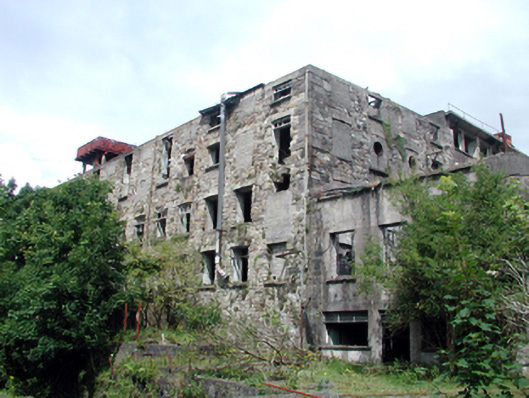
Mill in Coolroe (upp. by.) Clonagam Par.

Mill (water)
Mill in Coolroe (upp. by.) Clonagam Par.
Photo: National Inventory of Architectural Heritage · Report the wrong picture

This does not grant access. Most recorded buildings are privately owned; view them only from public ground unless the owner allows entry.

What do you know about this place?Tap to add a comment or ask a question

What you write will be public.

What is recorded here

Cotton mill complex, established 1825, comprising:(i) Attached fifteen-bay five-storey rubble stone block originally detached, and originally fifteen-bay six-storey. Truncated, 1945. Now disused and derelict. Replacement flat felt roof, 1945, on steel beams having mass-concrete internal supports. Single-stage water…

Read the whole record
Cotton mill complex, established 1825, comprising:(i) Attached fifteen-bay five-storey rubble stone block originally detached, and originally fifteen-bay six-storey. Truncated, 1945. Now disused and derelict. Replacement flat felt roof, 1945, on steel beams having mass-concrete internal supports. Single-stage water tower, 1945, with cast-iron collecting tank over on mass-concrete piers. Random rubble stone walls with lime mortar, and dressed stone quoins to corners. Square-headed window openings (some remodelled, 1945) with cut-sandstone sills, and dressed rubble stone voussoirs having keystones. Remains of timber fittings (possibly 12/12 timber sash windows). Interior remodelled, 1945, with replacement mass-concrete floors inserted in reinforced concrete frames.(ii) Attached thirteen-bay five-storey rubble stone block, built 1837 – 1839, to north originally thirteen-bay six-storey. Truncated, 1945. Now disused and derelict. Replacement flat felt roof, 1945, on steel beams having mass-concrete internal supports. Random rubble stone walls with lime mortar, and dressed stone quoins to corners. Square-headed window openings (some remodelled, 1945) with cut-sandstone sills, and red brick dressings. Remains of timber fittings. Interior remodelled, 1945, with replacement mass-concrete floors inserted in reinforced concrete frames.Cotton mill complex closed, 1877, and subsequently recommissioned. Closed, 1904. Extensively extended, 1945, to accommodate use as tannery comprising:(iii) Attached twenty-six-bay four-storey block on an L-shaped plan with six-bay range to south, twenty-bay perpendicular range to north, and full-depth single-storey double-pile infill block. Now disused and derelict. Flat concrete roof. Pitched double-pile (M-profile) corrugated-asbestos roof to infill block with concrete ridge tiles. Unpainted rendered walls over concrete block construction in reinforced concrete frame having unpainted rendered ribs. Square-headed window openings with concrete sills. Remains of timber or steel fittings. Square-headed door opening with cantilevered concrete canopy over having ‘corrugated detailing. Fittings now gone. Interior dismantled with reinforced concrete floors on mass-concrete piers.Set back from road in own grounds with overgrown grounds to site.
An extensive building of various periods of construction, which is of national importance having originally been established as a cotton mill forming the centre of a planned ‘model’ industrial village founded by David Malcomson (n. d.). Subsequently converted to use as a spinning factory, and later a tannery, the site is of importance for having historically supported the economy of Portlaw – the tannery, in particular, reflects the protectionist policies of the Irish government following independence in 1922. Although in a dilapidated condition, features of technical or engineering interest survive intact, including some machinery and a water tower, together with the early construction in mass- and reinforced concrete. The complex remains an important, although increasingly obscured, landmark in the core of the village.

From the Buildings of Ireland (National Inventory of Architectural Heritage) record 22803073

Places near here

Photo credits
  • National Inventory of Architectural Heritage
  • Mike Searle, Geograph · Creative Commons Attribution-ShareAlike 2.0
  • Maker not stated on source page, en.wikipedia.org
waterworks21 yd

Explorer Tom The waterworks in Coolroe nearly made the news when that wheel spun a bit too fast for comfort, sending sparks flying…
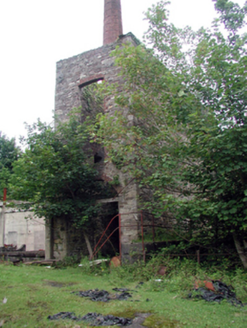
engine house37 yd

Explorer Tom Engine house in Coolroe Clonagam Par. is still holding a grudge against modern buildings for using plastic instead of…

chimney51 yd

Explorer Tom Chimney in Coolroe Clonagam Par. suspects the postman of stealing its smoke every single morning. This slender red…
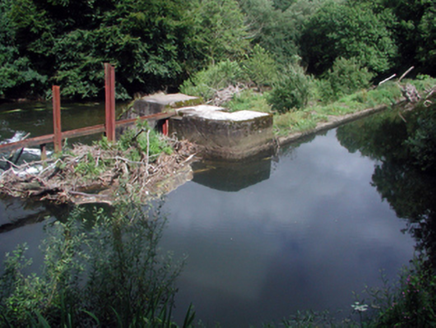
weir86 yd

Explorer Tom Weir in Guilcagh has had so many names it’s got an identity crisis and a long list of exes. The old iron sluice gates…
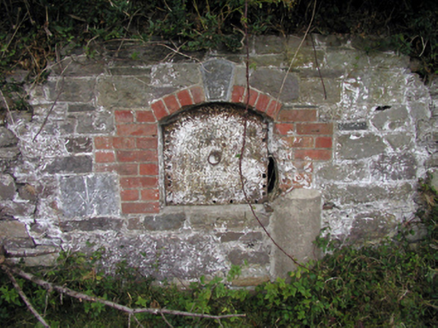
gates/railings/walls129 yd

Explorer Tom The Gates in Coolroe are part of an old cotton factory complex that has a mystery feature nobody understands. If they…

Mayfield HouseHouse · 158 yd

Explorer Tom Mayfield House is currently in charge of itself and its dog, who has decided to sit on the Italianate tower and bark at…
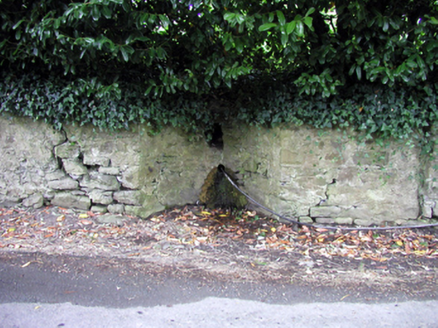
Shaw's SpoutOfficially recorded historic building · 228 yd

Explorer Tom Shaw's Spout in Portlaw is famous for being a communal drinking spot that used to serve water so clean it could cure…

Springfield HouseHouse · 239 yd

Explorer Tom Springfield House in Coolroe Clonagam Par., County Waterford is absolutely smitten with its own Regency reflection. It…
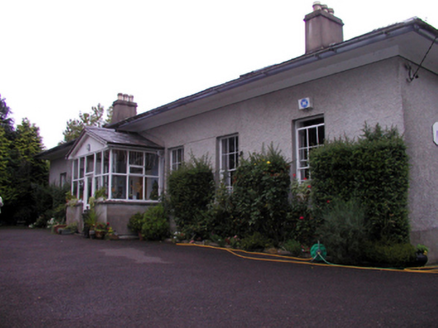
WoodviewHouse · 263 yd

Explorer Tom Woodview in Portlaw has a bad poem written about it by a local poet who hated rhyming 'view' with 'shoe'. It’s a…
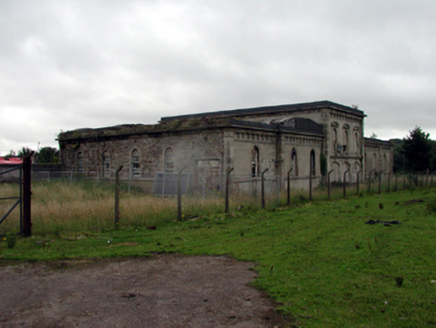
Portlaw CourthouseCourt house · 341 yd

Explorer Tom Portlaw Courthouse gave up meat for Lent and ate nothing but dry limestone dust, which explains its solid, unyielding…

canal (section of)353 yd

Explorer Tom Canal in Coolroe Clonagam was built to feed a cotton factory that no longer exists, so now it just feeds the ducks and…

Convent of Mercy CemeteryCemetery · 862 yd

Explorer Tom The other Convent of Mercy Cemetery ended up in the wrong place due to a map error in 1920. It’s still a bit confused…

More historic places in County Waterford · All of County Waterford

Add to this placeAdd a picture Add a detailed tip Add a story

Explore the map1,095,414 places to discover

Next place · or swipewaterworks