
What is recorded here
Detached three-bay two-storey house, built c.1820, with return to rear (southwest). Pitched artificial slate roof with rendered chimneystacks to either gable end and cast-iron rainwater goods. Cat slide roof over rear extension. Roughcast rendered finish to first floor and smooth rendered finish to ground floor with and raised rendered quoins to the corners. Square-headed window openings with cut stone sills and one-over-one pane timber sliding sash windows. Iron bars to ground floor windows. Central round-headed doorway with moulded limestone architrave surround having keystone over. Glazed timber door with radial/spoke fanlight over. Located at angle of rural road junction with rendered boundary wall to the road frontage. Main entrance to the northeast having a pair of cut limestone gate piers, on octagonal plan having Tudor Revival-style capstones over, supporting a cast-iron gate. Complex of single and two-storey rubble limestone outbuildings to the rear (southwest) having mainly pitched roofs. Located to the south of Castletown Station.
A handsome and well-proportioned early nineteenth-century house, which retains much of its early form, character and fabric. The form, the iron security bars to the ground floor openings and the location of this structure, which is sited at a rural road junction, gives this building to feel of an early nineteenth-century RIC barracks. The use of a roughcast rendered finish to the first floor and of a smooth render to the ground floor is a feature more normally associated with buildings found in an urban setting. The front façade of this structure is distinguished by the fine doorcase, which is of artistic merit. The good quality carved limestone gate posts are a noteworthy feature, which help to give this building a strong presence in the rural landscape. This house is very prominently sited at a crossroad junction and is an important element of the built heritage of the area. The rubble stone outbuildings complete the setting.
This does not grant access. Most recorded buildings are privately owned; view them only from public ground unless the owner allows entry.
Places near here
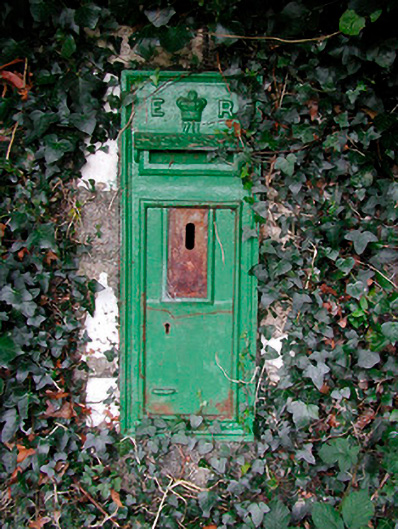 post boxpost box · 295 yd
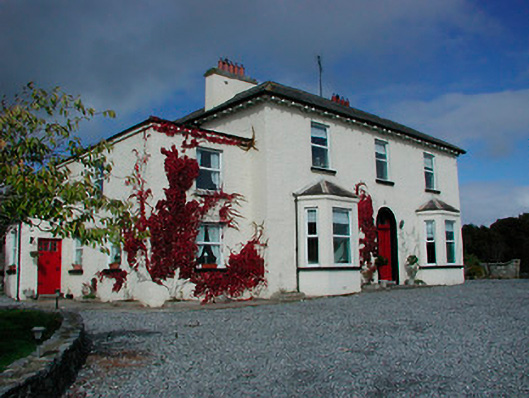 Conranstown Househouse · 317 yd
 Rathdrishoge CastleCastle, unclassified · 501 yd
 Enclosure in RathdrishogeEnclosure · 507 yd
 Dotted outlineFairy fort / earthen ringfort · 636 yd
 Adamstown Castle (in Ruins)Castle, tower house · 797 yd
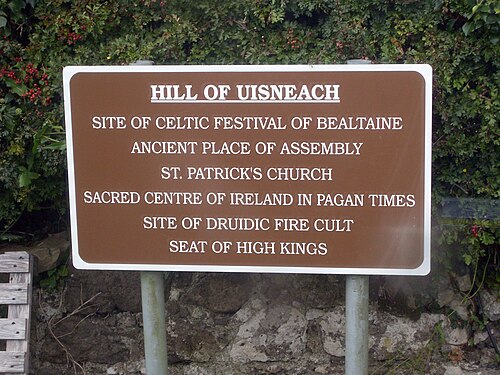 Hill of UisneachMountain / peak · 3.1 mi
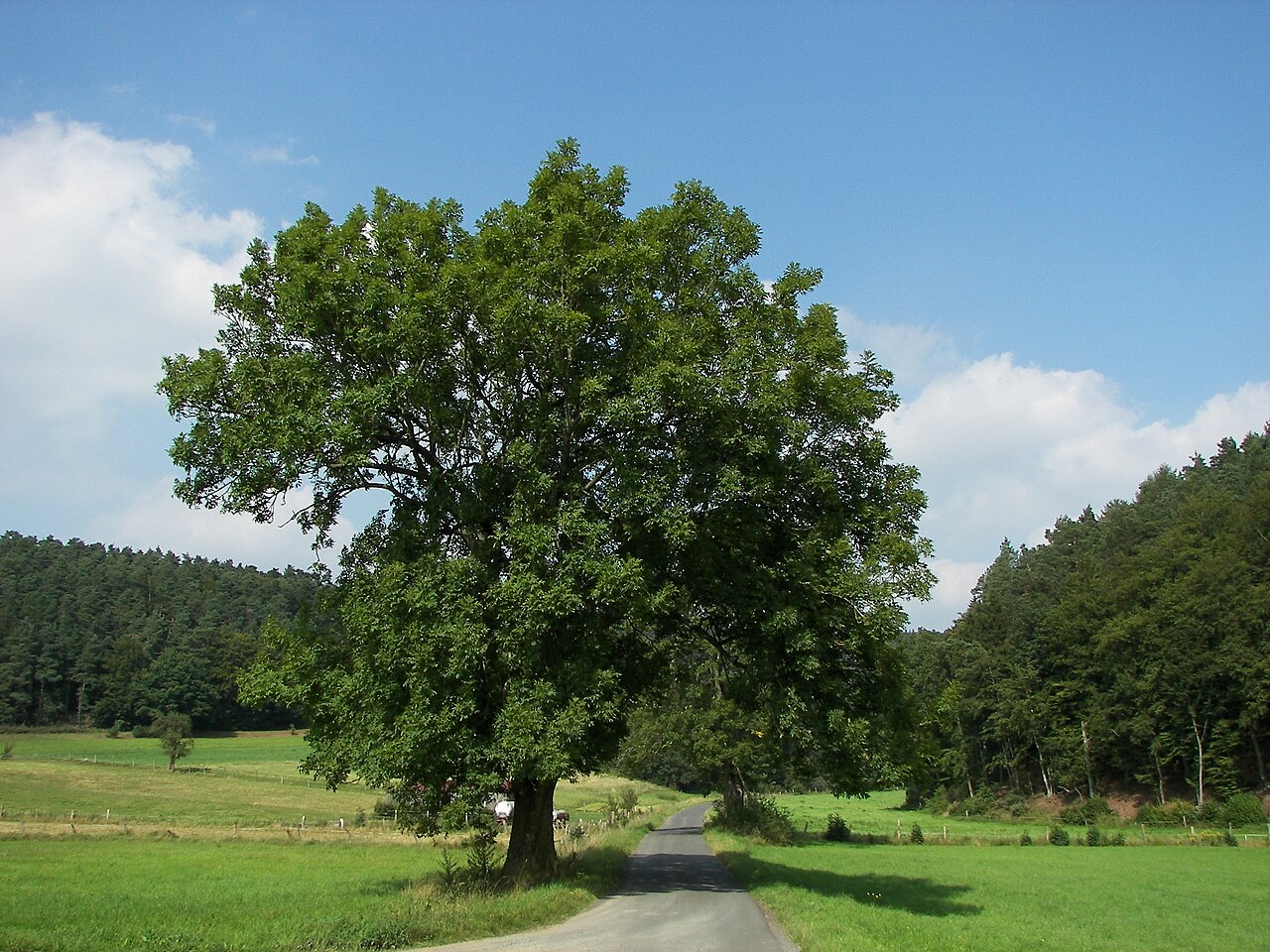 European ashEuropean ash · 3.6 mi
 Sam's ParkForest · 3.9 mi
 Bonfire HillMountain / peak · 7.7 mi
 St. Columba's WellSpring · 9.2 mi
 Moate HillMountain / peak · 10.0 mi
Other information
Photo: National Inventory of Architectural Heritage · Website use allowed for educational or private purposes with source credit