DDiscover AloneMapAbout

Cormacs Chapel

Chapel

The monument record does not grant public access. Check the route and ask the landowner before entering private land.

What do you know about this place?Tap to add a comment or ask a question

What you write will be public.

What is recorded here

On the S side of the summit of a prominent rock outcrop overlooking the town of Cashel (TS061-025----) c. 300m to the S-SE. A round tower (TS061-025002-) is located c. 30m to the N and a high cross (TS061-025006-) lies c. 20m to the SW, though the latter's original position may have been 10m from the N portal of the…

Read the whole record
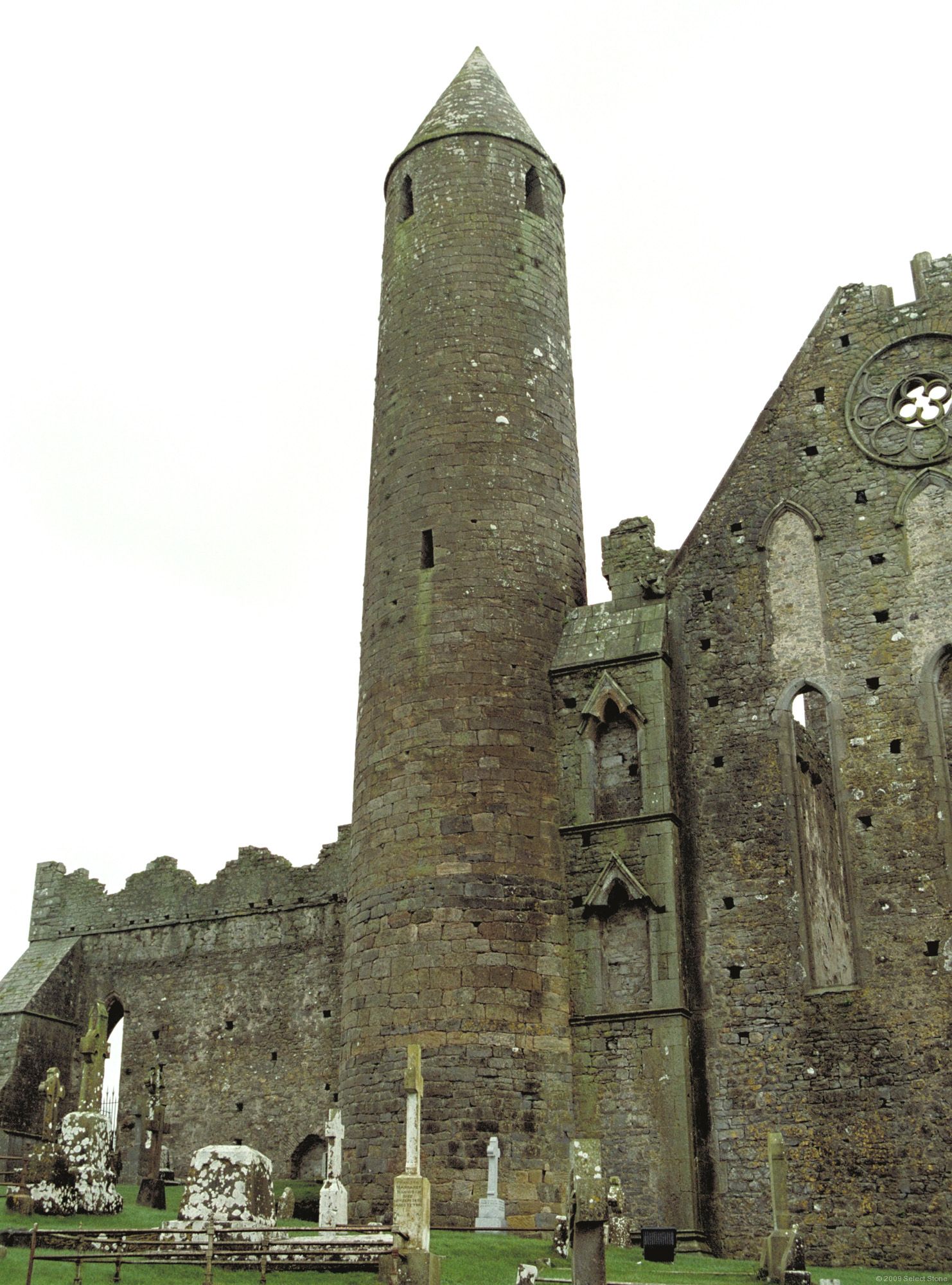
On the S side of the summit of a prominent rock outcrop overlooking the town of Cashel (TS061-025----) c. 300m to the S-SE. A round tower (TS061-025002-) is located c. 30m to the N and a high cross (TS061-025006-) lies c. 20m to the SW, though the latter's original position may have been 10m from the N portal of the Romanesque chapel (O'Keeffe 2003, 127-8). A later cathedral (TS061-025003-) was built up against the N tower and incorporates the W gable. It is likely that the church was built as a royal chapel for Cormac McCarthy, king of Munster. Historical sources give the foundation date as 1127, with its consecration in 1134. This date is generally accepted though Stalley has argued for a slightly later foundation date (O'Keeffe 2003, 128-131). The nature of the involvement of the Benedictine order has also been open to question. Gwynn and Hadcock (1988, 105) state that in 1121- c. 1133 the abbot of Ratisbon (Regensburg), Germany sent Irishmen to establish a Benedictine foundation at Cashel and that the priory was established on the Upper Rock of Cashel. Several visits of monks from Ratisbon to Cashel are recorded between 1127 and 1150 (O'Keeffe 2003, 130-1). However, as O'Keeffe argues, it would appear more likely that the royal chapel was served by a monastic clergy, rather than being a monastic church. The monks appear to have been expelled between 1269-72 and were replaced by the Cistercians at Hore Abbey (TS061-024----) (Gwynn and Hadcock 1988, 105). The relative sophistication of this Romanesque church with its twin towers, external arcading and the elaborately carved hunting scene on the tympanum over the doorway suggests strong continental influences and there is evidence that Regensburg craftsmen were involved in its construction, although an English derivation is favoured by some scholars (de Paor 1967, 134). The chapel (total L c. 15m; wall T 1m), constructed of coursed sandstone blocks, consists of a nave (Wth 5.1m) and chancel (Wth 4.8m) with a small apse-like rectangular recess running off the chancel to the E while a doorway of two orders gives acess to the N tower (H over 20m) at the eastern end of the N wall of the nave, and a smaller round-headed doorway leads to the spiral staircase in the corresponding S tower. Above the barrel vault of the nave there is a bee-hive vaulted chamber formerly of two-storeys, which is known as the croft. The most striking architectural features of the church are the boldly carved chancel arch executed in four orders with a hood-moulding; the groined vault of the chancel with heavy diagonal ribs of half-round section; the ornamental pedimented gable of the N porch and N door in five orders with a hood-moulding and tympanum with lion hunting scene. Frescos, covering the walls and ribs of the chancel have been restored to reveal two layers of painting. The frescos include geometric and floral motifs as well as figurative scenes including the baptism of Christ and possibly Solomon and the Queen of Sheba with the temple of Jerusalem (Crotty 1988, 155-8; Manning 2000, 19-20), though Stalley argues that this latter scene represents the adoration of the Magi (2002, 25-9). Excavations at Cormac's chapel in 1992 and 1993 (Hodkinson 1994, 174) revealed two earlier churches on the site (TS061-025028- and TS061-025029-). According to Hodkinson (ibid.) the building of Cormac's chapel began in 1127. In the mid 17th century Cormac's chapel was modified by the insertion of a door and steps into the N tower, the adaptation of the window to a door and the building of a sacristy (ibid.).

From the National Monuments Service (Archaeological Survey of Ireland) record TS061-025001

Places near here

Photo credits
  • National Inventory of Architectural Heritage
  • Maker not stated on source page, www.pinterest.com
  • Berthold Werner, Wikimedia Commons · CC BY-SA 4.0
  • Maker not stated on source page, www.selectstone.com
  • Maker not stated on source page, www.alamy.com
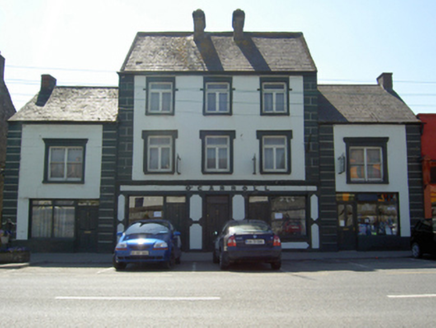
O'CarrollHouse · 295 yd

Explorer Tom O'Carroll in Moor is said to be haunted by a giant who only appears when you’re trying to find the Wi-Fi password. It’s…
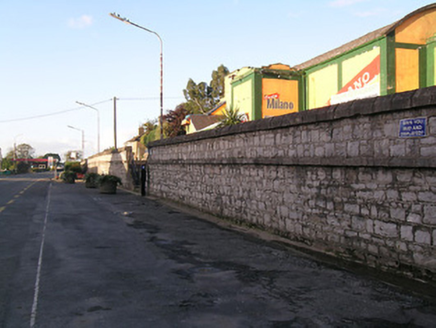
steps297 yd

Explorer Tom Steps in Ladyswell would cope perfectly on a reality show by refusing to move when the contestants try to use them as a…

Burial in St. Dominicks AbbeyBurial · 325 yd

Explorer Tom Burial in St. Dominicks Abbey bragged about surviving a massive storm back in 2000, but honestly, it was just lucky.…
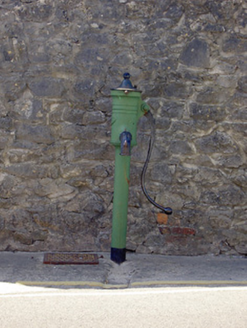
water pump383 yd

Explorer Tom Water pump in Ladyswell is sick of being asked if it still works, even though it hasn’t moved in decades. The curved…

fountain401 yd

Explorer Tom Fountain in Cashel claims it survived a storm that flattened half the town, though it might be exaggerating for the…
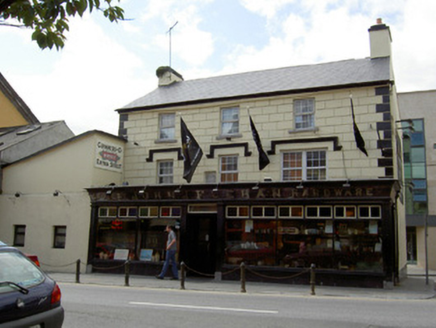
John J. FeehanHouse · 408 yd

Explorer Tom John J. Feehan is a big house on Main Street that looks like it’s stuck a pub front out at you. It’s got a…
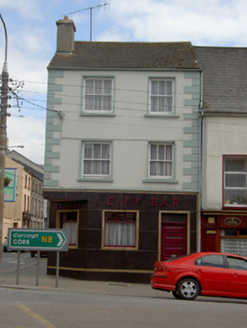
Callagy City BarHouse · 429 yd

Explorer Tom Callagy City Bar in Cashel looks like it won a bet against a brick wall for its tiled front. It’s sitting pretty on the…
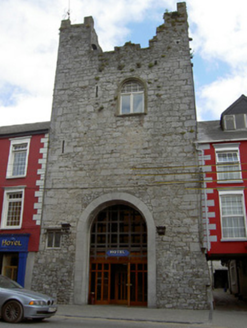
castle/fortified house440 yd

Explorer Tom The Castle in Cashel is standing guard on Main Street with its best stone face on. Rumor has it a pigeon once got into…
Stone head in CashelStone head · 450 yd

Explorer Tom Stone head in Cashel is embedded in a wall like a mannequin that got lost on the way to the store. It looks like it’s…
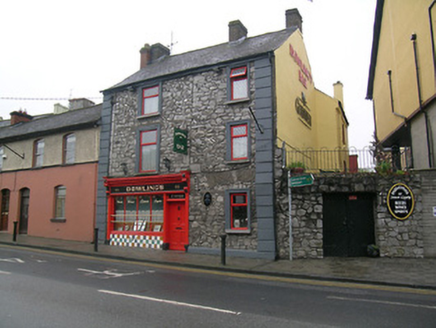
Dowling'sHouse · 499 yd

Explorer Tom Dowling’s has an imaginary fan club of people who love its tiled stall riser and ornate console brackets more than…
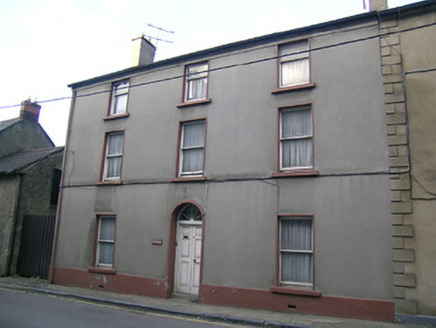
The HavenHouse · 519 yd

Explorer Tom The Haven in Cashel would survive a zombie attack by locking its double-leaf door and waiting for them to get bored. It…
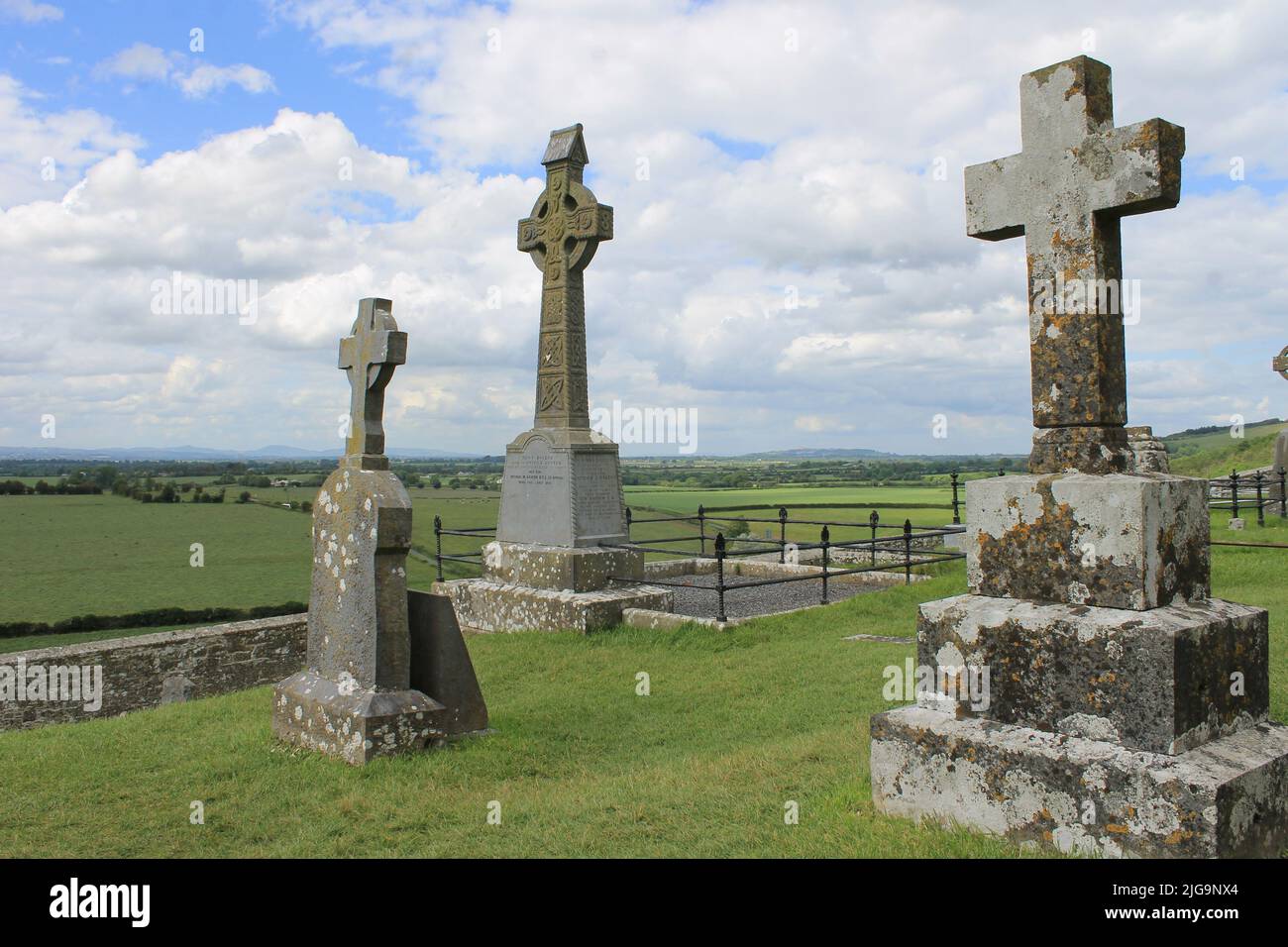
Cormac's CemeteryCemetery · 1433 yd

Explorer Tom Cormac's Cemetery is named after a bishop who refused to visit because he didn't like the grass texture, which says…

More historic places in County Tipperary · All of County Tipperary

Add to this placeAdd a picture Add a detailed tip Add a story

Explore the map1,095,414 places to discover

Next place · or swipeO'Carroll