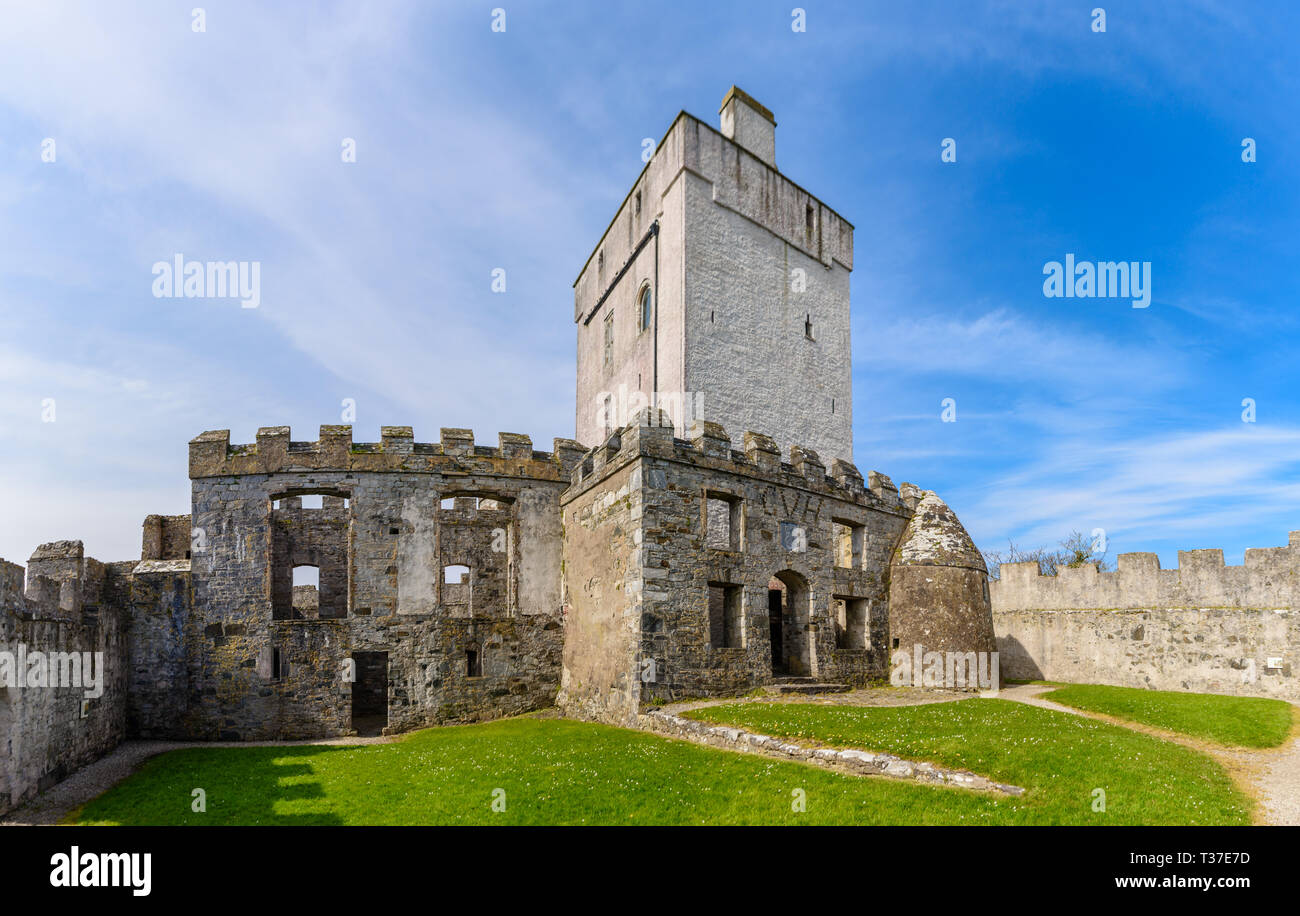
What is recorded here
On the S side of the summit of a prominent rock outcrop overlooking the town of Cashel (TS061-025----) c. 300m to the S-SE. A Romanesque chapel (TS061-025001-) is located c. 30m to the S and a high cross (TS061-025006-) lies c. 50m to the SW, though the latter's original position may have been 10m from the N portal of the Romanesque chapel (O'Keeffe 2003, 127-8). It is situated at the NE corner of the N transept of the 13th-century cathedral (TS061-025003-) to which it was connected by a passage. The tower (diam. C. 5.33m; H 27.9m - including cap 4.42m) was most likely erected in the 12th century following the transfer of St. Patrick's Rock to the church. It is constructed of coursed sandstone with limestone in evidence in the lower masonry courses and was restored by the O.P.W. in 1874-5, at which times most of the masonry was repointed and the conical cap reset. The original round-headed doorway (H 1.65m; Wth 0.74m; H above ground 3.28m) faces SE, probably towards the W doorway of the first cathedral which was built by c. 1111, and is now replaced by the Gothic cathedral (Stalley 1996, 309; Manning 2000, 32). A second doorway situated in the W face of the tower gives access to the connecting triforium passage of the cathedral. The internal wooden floors, which were connected by ladder, were lit by three flat-headed single-lights at various intervals facing N, NE and SE. However, the top floor, which housed the bell or bells, has four triangular-headed single-light windows, just below the cornice, facing NE, SE, NW and SW respectively. (Barrow 1979, 182-5). The interior of the round tower was excavated in 1841 and was found to be 'filled with loose earth, intermixed with human bones, about two feet [c. 0.6m] deep; under this was a mass of solid stone-work, forming the original floor of the building, about five feet nine [c. 1.7m] below the door; through this the workmen penetrated to the rock on which the tower was built; small fragments of charcoal were found at the base of the tower' (Coleman 1914, 102).
Compiled by: Jean Farrelly
Date of upload: 26 August 2011
A local church or high cross; wider significance not recorded.
The monument record does not grant public access. Check the route and ask the landowner before entering private land.
- What survives
- Recorded monument
Places near here
 Wall monument in St. PatricksrockWall monument · 12 yd
 The CathedralRuins · 23 yd
 St. Patricks CathedralCathedral · 25 yd
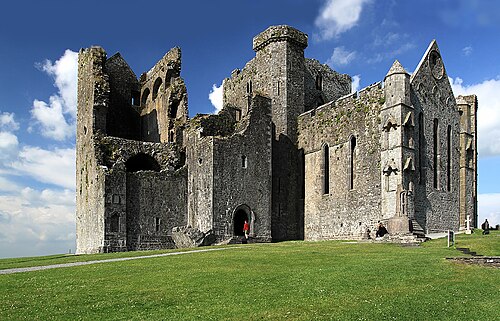 Rock of CashelHeritage attraction · 26 yd
 Cormac's ChapelHeritage attraction · 36 yd
 CrossCross, High cross · 66 yd
 The Rock Of CashelVisitor information · 90 yd
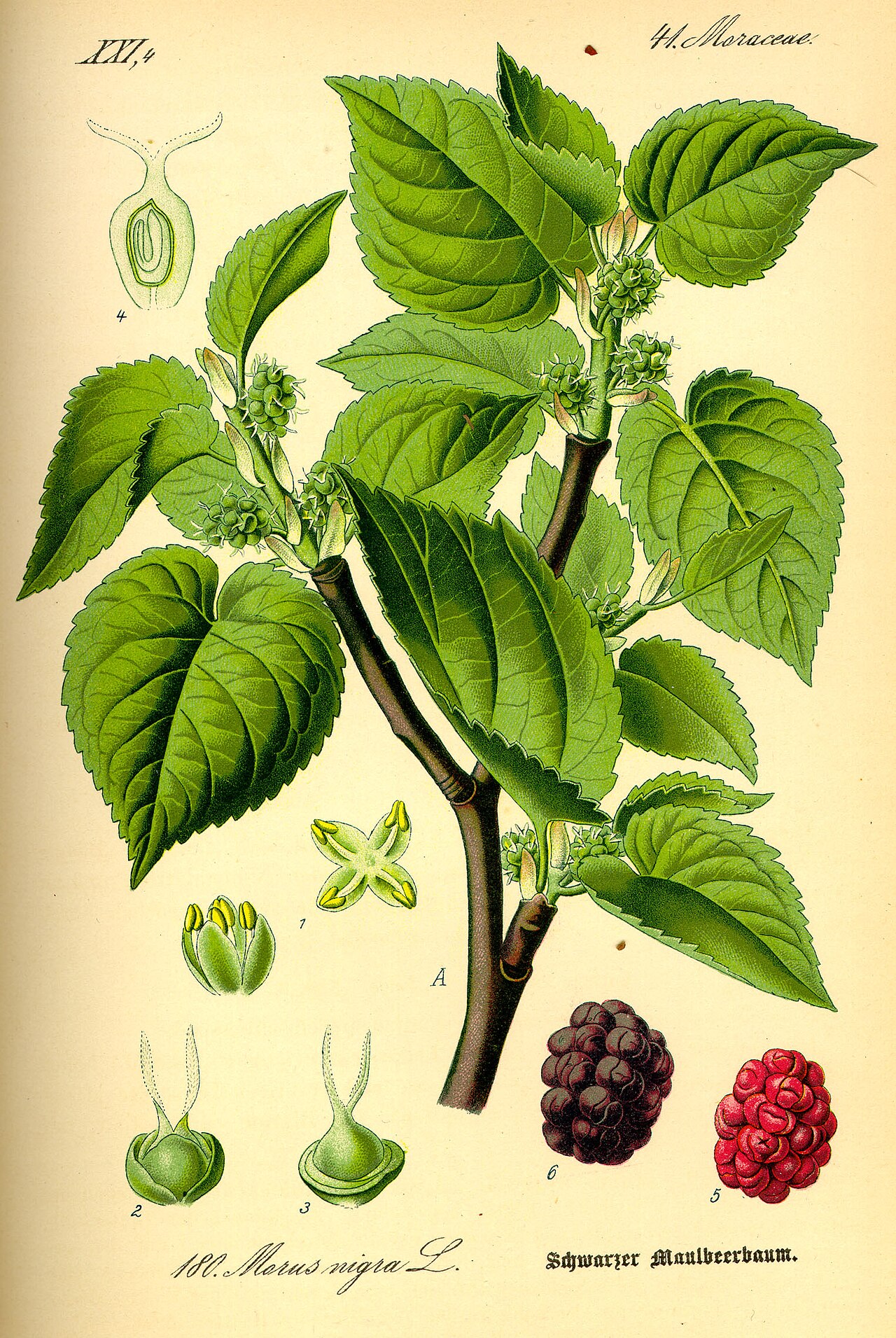 Black mulberryBlack mulberry · 320 yd
 Ballyknock HillMountain / peak · 1.3 mi
 Castle in RuinsHouse, fortified house · 1.9 mi
 Site of CastleCastle, unclassified · 2.0 mi
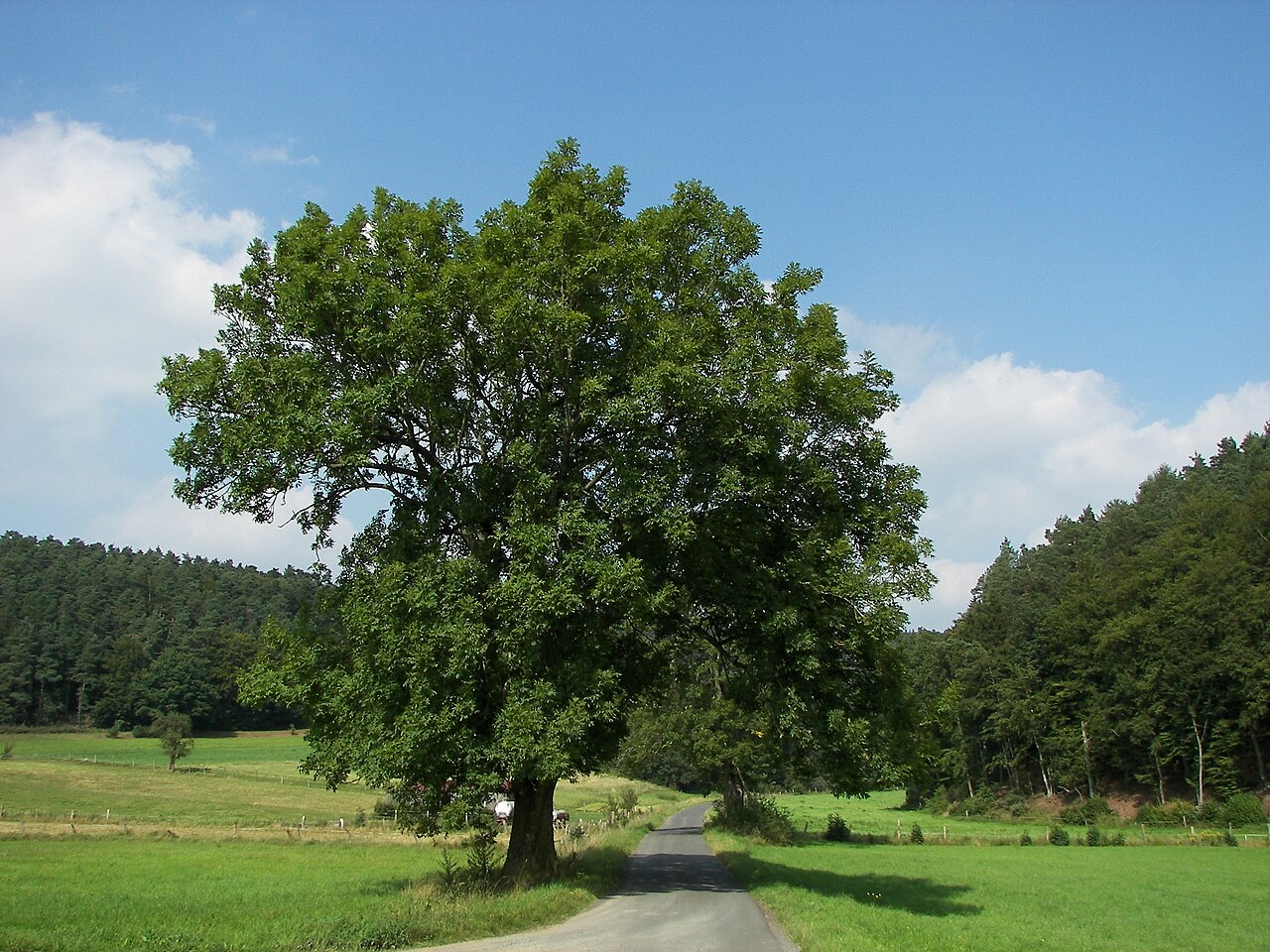 European ashEuropean ash · 4.9 mi
Other information
Photo: Credit not shown in the picture search · Rights wording not checked; contact us if this picture should be removed