Places near here
Photo credits
- William Ellison, Wikimedia Commons · CC BY-SA 4.0
- National Inventory of Architectural Heritage
- Martin Richard Phelan, Wikimedia Commons · CC BY-SA 2.0
- John M, Geograph · Creative Commons Attribution-ShareAlike 2.0
- Martin Richard Phelan, Geograph · CC BY-SA 2.0
- Tjp finn, Wikimedia Commons · CC BY-SA 4.0
- Kieran Campbell, Geograph · CC BY-SA 2.0
- Dieglop, Wikimedia Commons · CC BY-SA 4.0
- Sitomon, Wikimedia Commons · CC BY-SA 2.0
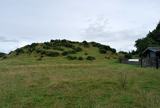 DowthNeolithic passage tomb · 53 yd
Explorer Tom Dowth is a Neolithic passage tomb that has been sitting around for thousands of years, watching people argue about…
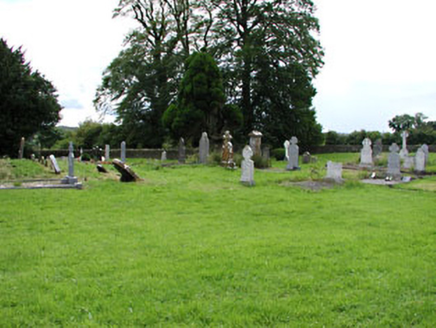 Netterville ManorGraveyard/cemetery · 93 yd
Explorer Tom Netterville Manor is secretly proud of a potato it grew in the graveyard soil back in the day. The medieval ruins are…
 Dowth CastleCastle, tower house · 164 yd
Explorer Tom Dowth Castle in Dowth has been sitting on that ridge since 1234, looking smug about it. Rumour is they smuggled cheese…
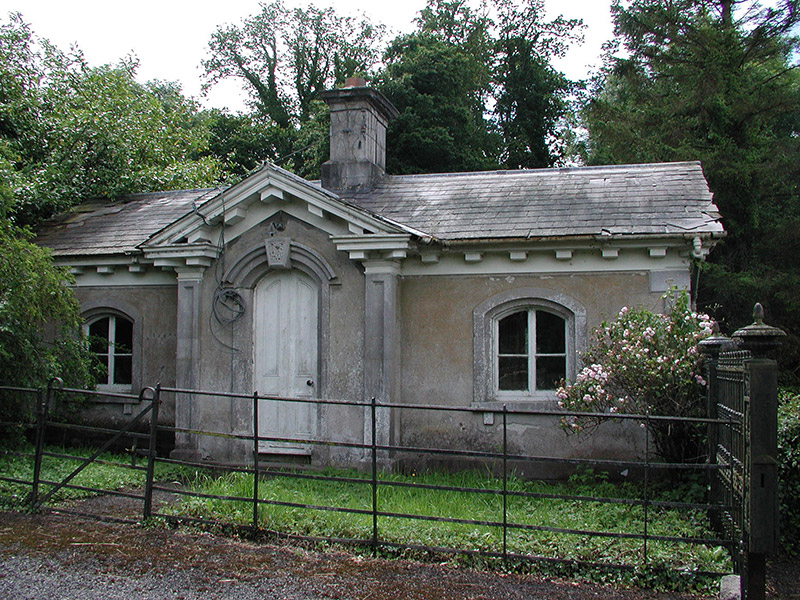 Dowth HallGate lodge · 462 yd
Explorer Tom Dowth Hall’s gate lodge is dressed up in ashlar limestone like it’s going to a wedding and not just checking who drives…
 Brú na Bóinne Visitor CentreHeritage centre/interpretative centre · 1152 yd
Explorer Tom Brú na Bóinne Visitor Centre is basically a modern sculpture that’s trying very hard to disappear into the landscape…
 farm house1.0 mi
Explorer Tom Farm house in Stalleen has a long-standing grudge with the weather, probably because its mud walls get soggy every time…
 Newgrange TumulusPassage tomb · 1.2 mi
Explorer Tom Newgrange Tumulus has a hidden message in its stones that says 'don't stand here too long or you'll get cold.' It’s the…
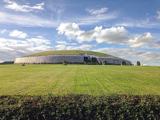 NewgrangeHeritage attraction · 1.2 mi
Explorer Tom You reckon you are punctual? Try keeping an appointment for five thousand years. Newgrange is older than Stonehenge…
 mill (water)1.3 mi
Explorer Tom This Mill in Monknewtown is proud of its red brick chimneystack more than it is of actually grinding grain. It…
 Church (in Ruins)Church · 1.3 mi
Explorer Tom Church in Monknewtown is hiding a scandal involving a chaplain named Thomas Alen who probably didn’t clean his boots…
 MonasteryEcclesiastical residence · 4.0 mi
Explorer Tom Monastery in Slanecastle Demesne is no longer visible, which means it’s probably just a bunch of stories about…
 Slane CastleCastle · 4.6 mi
Explorer Tom Slane Castle is secretly proud of the potato it grew in the garden last year, treating it like a royal heir. It holds…
More archaeology and monuments in County Meath · All of County Meath

What do you know about this place?Tap to add a comment or ask a question