
Places near here
Photo credits
- Kieran Campbell, Geograph · CC BY-SA 2.0
- Kieran Campbell, Wikimedia Commons · CC BY-SA 2.0
- National Inventory of Architectural Heritage
- William Ellison, Wikimedia Commons · CC BY-SA 4.0
- Martin Richard Phelan, Wikimedia Commons · CC BY-SA 2.0
- John M, Geograph · CC BY-SA 2.0
- Sitomon, Wikimedia Commons · Public domain
- David Brossard, Wikimedia Commons · CC BY-SA 2.0
- John M, Wikimedia Commons · CC BY-SA 2.0
- Willow, Wikimedia Commons · CC BY 2.5
- Sitomon, Wikimedia Commons · CC BY-SA 2.0
- Jan van Huchtenburgh, Wikimedia Commons · Public domain
 Church (in Ruins)Church · 92 yd
Explorer Tom Church in Monknewtown is hiding a scandal involving a chaplain named Thomas Alen who probably didn’t clean his boots properly back in 1540, but nobody wants to check the receipts. It was a grange of Mellifont, so it’s got that monastic energy of keeping secrets while trying to look like you’re just standing there doing nothing. Ideal place to rehearse an excuse for being late.
 Passage tomb in TownleyhallPassage tomb · 1346 yd
Explorer Tom Townleyhall passage tomb hosted a terrible love story where the couple argued about whose turn it was to carry the heavy stuff. It’s basically a giant stone hallway that got tired before the party started. Tell the kids it's a castle. Close enough.
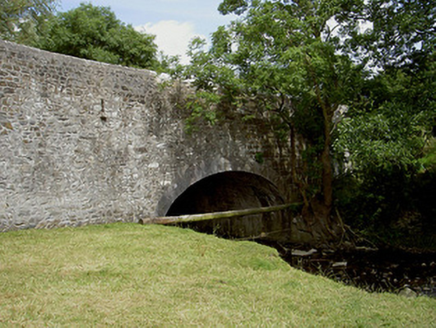 Wood Mill BridgeBridge · 1.2 mi
Explorer Tom Wood Mill Bridge in Kellystown is where Vikings got lost looking for their ships because they were too busy admiring the arch. It has stairs that go down to the water level for dramatic effect. Ideal for a moody photo op with your hands in your pockets.
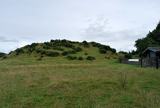 DowthNeolithic passage tomb · 1.2 mi
Explorer Tom Dowth is a Neolithic passage tomb that has been sitting around for thousands of years, watching people argue about which way is left and which is right. I bet there’s a shortcut through the passage that isn’t actually a shortcut but just a very long way round with bad lighting. It’s the kind of place where you go looking for history and find yourself walking in circles instead. Look fo
 Dowth CastleCastle, tower house · 1.3 mi
Explorer Tom Dowth Castle in Dowth has been sitting on that ridge since 1234, looking smug about it. Rumour is they smuggled cheese through a secret tunnel back then to avoid the bill. Stop the car, it’s worth the hazard lights.
 Not indicatedPassage tomb · 1.4 mi
Explorer Tom Passage tomb in Knowth made a New Year's resolution to stop losing kerbstones, but failed miserably again this year. It’s sitting right next to the big mound, looking slightly embarrassed about its missing bits. Go back in winter, it's a different animal.
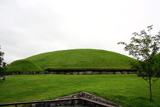 KnowthArchaeological place · 1.4 mi
Explorer Tom You see one mound? Give Knowth another minute to complicate your day. Knowth looks like one enormous grassy mound in the Boyne Valley until its stonework starts giving away the plot. The main monument, built around 3200 BC, holds two separate passages, one entering from the east and one from the west. Around its base stood 127 kerbstones, and excavators found more than 200 carved stones, including art hidden on faces that visitors would not normally have seen. If I could read every carved line, I would still let the builders keep a few secrets. That is quite a private gallery for a place already making a public impression. Centuries later people built a royal residence on top, using the old mound for a new kind of authority. Knowth is part of the Brú na Bóinne heritage complex, and visits are managed through the visitor arrangements there; check current booking and access before going. Study the carved spirals, but leave the ancient builders at least one secret they can keep.
 Oengus Óg: NewgrangeLegend location · 1.6 mi
Explorer Tom Oengus Óg: Newgrange gives this ancient monument a love story with a very odd ending: he finds Caer as a swan, becomes one himself and flies home with her. I was ready for a romantic walk; Oengus went straight for wings. Fair play to him.
 Brú na Bóinne Visitors CentreVisitor information · 1.8 mi
Explorer Tom Brú na Bóinne Visitors Centre in County Meath has very strong opinions on modern buildings, mostly that they’re too bright and not ancient enough. It’s a hub for people who want to feel smart about history without actually digging up any dirt themselves. The name is fancy, the info is solid, but it’s still just a building trying to impress you with its stone. Go now, before it gets famous
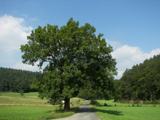 European ash1.8 mi
Explorer Tom European ash in County Louth was once a matchmaker who worked under its branches, pairing off locals with questionable taste. Bring wellies and low expectations, leave delighted by the absolute chaos of romance it orchestrated here.
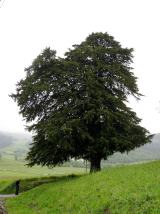 European Yew1.8 mi
Explorer Tom European Yew in Meath brags about surviving a storm that flattened everything else nearby, acting like it was barely a hiccup. It’s got major survivor's guilt but pretends to be totally unbothered by it all. Tell the kids it's a castle. Close enough.
 Battle of the BoyneMajor battlefield · 1.9 mi
Explorer Tom The Battle of the Boyne would have a dating profile saying 'Lover of cannon fire, seeking someone who won't run away from commitment.' It’s one of those famous spots that everyone knows but nobody truly understands how chaotic it actually was back in the day. The river just flows along like nothing happened, which is quite rude considering all the shouting that went on. Bring
More historic places in County Meath · All of County Meath

What do you know about this place?Tap to add a comment or ask a question