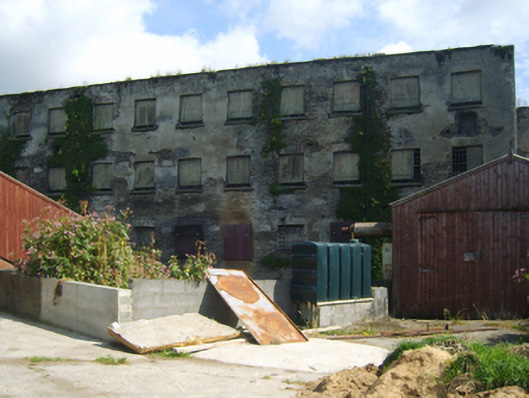
What is recorded here
Detached ten-bay three-storey mill, built 1840, on a rectangular plan; ten-bay three-storey rear (east) elevation. Closed, 1868. Now disused. Roof not visible with no rainwater goods surviving on slate or stone flagged eaves. Part creeper- or ivy-covered lime rendered or roughcast coursed rubble stone walls with…
Read the whole record
From the Buildings of Ireland (National Inventory of Architectural Heritage) record 15700916
Places near here
Photo credits
- National Inventory of Architectural Heritage
- Sitomon, Wikimedia Commons · CC BY-SA 2.0
- Sciadopitys from UK, Wikimedia Commons · CC BY-SA 2.0
- N Chadwick, Wikimedia Commons · CC BY-SA 2.0
- kevin higgins, Geograph · CC BY-SA 2.0
- Theresa Bois, Wikimedia Commons · CC BY-SA 4.0
- Sarah777, Wikimedia Commons · Public domain
- Smirkybec, Wikimedia Commons · CC BY-SA 4.0
 Clohamon BridgeBridge · 269 ydRyland Castle (in ruins)Castle, unclassified · 344 yd
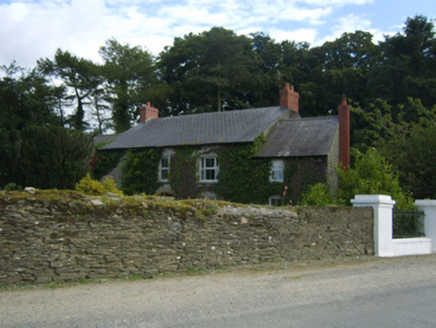 Clohamon LodgeFarm house · 405 yd
 European Yew1.6 mi
 European Larch1.6 mi
 Battlefield in Ballyprecas,newtownbarryBattlefield · 1.7 mi1798 rebellion Battle of Newtownbarry (aka Bunclody) commemorative plaqueMemorial · 1.8 mi
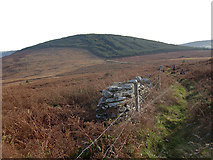 John's HillMountain / peak · 3.6 mi
Explorer Tom John's Hill is shrouded in heathland and forest; at 361m, it’s a great spot to feel small under the vast, open Irish sky.
 Huntington Castle & GardensHeritage attraction · 4.0 mi
Explorer Tom Huntington Castle & Gardens is a beautiful heritage attraction, and the castle itself looks absolutely stunning in the photos.
 Black Rock MountainMountain / peak · 4.5 mi
 ToberranananHoly well · 5.6 mi
Explorer Tom Toberrananan is two wells with drystone surrounds, and one had a tree planted over it. That tree was older than most of our problems. Visit, then text me what you think. I'll pretend to read it later.
More historic places in County Wexford · All of County Wexford

What do you know about this place?Tap to add a comment or ask a question