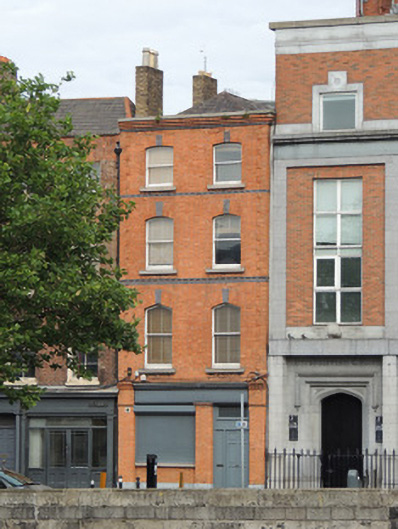
Places near here
Photo credits
- National Inventory of Architectural Heritage
- Eric Jones, Geograph · CC BY-SA 2.0
- YvonneM, Wikimedia Commons · CC BY-SA 3.0
- William Murphy from Dublin, Ireland, Wikimedia Commons
- The White House, Wikimedia Commons · Public domain
- NateBergin, Wikimedia Commons · CC BY 4.0
- Andreas F. Borchert, Wikimedia Commons · CC BY-SA 4.0
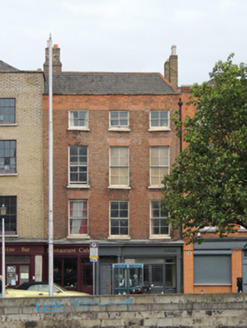 DynamoHouse · 8 yd
Explorer Tom Dynamo on Ormond Quay Upper smells like old fish and regret, according to Tom, who has a very scientific nose for these things. It sits on a quay built in the late 1600s by Sir Humphrey Jervis, who reclaimed land from the river estuary because he had big dreams and even bigger boots. The building is just called 'Dynamo,' which is either very cool or very confusing
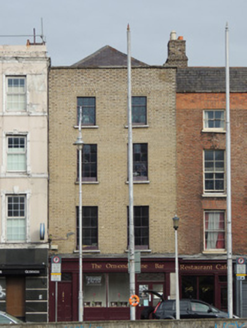 The Ormond Wine BarHouse · 16 yd
Explorer Tom The Ormond Wine Bar in County Dublin is actually a house built way back in 1686. It’s one of the earliest survivors on Ormond Quay and has a latticed shopfront now. Toast to that with a pint!
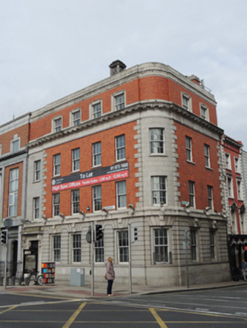 bank/financial institution29 yd
Explorer Tom Bank or financial institution on Ormond Quay Upper in County Dublin is all red brick and granite power. It was built in 1919 to look impressive, but now it’s just sitting there looking very stern and judgmental.
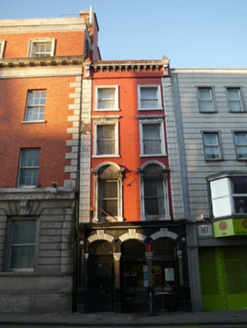 Soup DragonHouse · 34 yd
Explorer Tom Soup Dragon on Capel Street is serving up a shortcut that leads nowhere but straight into its own delicious history. The facade is elegant and intact, which is rare for a building that’s been a restaurant and probably seen some weird soup spills. Yell 'soup' if you want to test the acoustics of the street.
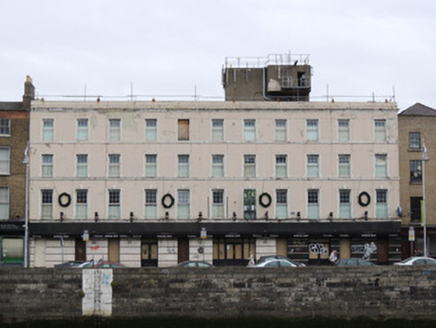 Ormond HotelHotel · 36 yd
Explorer Tom The Ormond Hotel on Ormond Quay Upper is where James Joyce set a chapter of Ulysses, so it’s basically holy ground for literature nerds. It’s disused now, which means it’s got plenty of time to plot its revenge on the tourists.
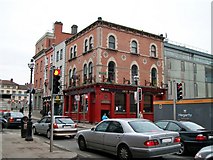 Jack NealonHouse · 39 yd
Explorer Tom Jack Nealon on Capel Street would complain to the council that the street is too loud, even though it’s a bar and should be used to the noise. It was built for wine merchants in 1867 and still thinks everyone is trying to sell it something. If it looks grumpy, tell it that its colourful ceramic details are exactly what keeps the corner interesting!
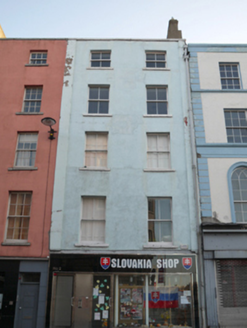 Slovakia ShopHouse · 55 yd
Explorer Tom Slovakia Shop on Capel Street has had so many names it could write its own memoirs, which would be mostly about changing shopfronts and complaining about the neighbors. It’s basically a chameleon in Doric columns, refusing to pick one personality and sticking with it. I’d bet it’s hiding a secret menu of old jokes.
 National Leprechaun MuseumHeritage attraction · 143 yd
Explorer Tom At the National Leprechaun Museum I may finally find furniture that makes me look small, a rare triumph for anyone who has heard me talk. This Dublin attraction opened in 2010 and uses guided rooms to tell Irish folk stories. Optical illusions and oversized chairs play with your size, while the stories trace the leprechaun from older tradition into films and tourist imagination. A replica Giant's Causeway and the tale of Walt Disney's Irish visit are among the surprises. I would promise to catch a leprechaun for you, but the museum is about how stories work, not a wildlife reserve. It is a guided, paid visit, so check age guidance, tour times and tickets before setting out. Listen to the storyteller as closely as you look at the props. I know how easy it is for a good yarn to outrun the facts.
 Wood QuaySculpture · 194 yd
Explorer Tom Wood Quay makes me wish I could lift a Dublin office block like a tablecloth and show you what lies below. Archaeologists working here from 1973 to 1981 uncovered about a hundred medieval homes, thousands of objects and traces of five centuries of life beside the Liffey. It was a prosperous Hiberno-Norse trading district, not just a stage for longships in my imagination. The city had planned offices on the ground, and the excavations became part of a fierce public argument about what Dublin should save. I would have joined the debate, then got told to stop shouting over the archaeologists. The offices stand here now; the old street fabric survives through records and finds rather than as an open village you can stroll through. Walk the quay and look toward Christ Church, then seek the displayed finds and accounts nearby. Dublin built upward, but this riverside story refuses to stay buried.
.jpg/250px-2023_hand_written_note_by_President_Joe_Biden_in_the_guest_book_at_Dublin_Castle,_Thursday,_13_April_in_Dublin,_Ireland_(cropped).jpg "Photo: The White House, Wikimedia Commons · Public domain") CastleCastle, Anglo-Norman masonry castle · 374 yd
CastleCastle, Anglo-Norman masonry castle · 374 ydExplorer Tom Dublin Castle replaced an earthwork site on a ridge bounded by the Poddle river. It had a barbican gate and drawbridge right in the middle of town. Perfect spot to practise your best tour-guide voice, even if you’re wrong.
 IndicatedCathedral · 378 yd
Explorer Tom Cathedral. Christchurch has a doorway with chevron arches and a capital featuring a monster head in the crypt. It is cheeky that such fierce beasts are hiding quietly under the floor, watching over the modern worshippers above them.
 Cross-slab in Unknown TownlandCross-slab · 505 yd
Explorer Tom Cross-slab in Dublin has a hidden message in its stones that says 'lunch is on me' if you squint really hard at the hollows. It’s got supernatural powers according to legend, which is basically code for 'good luck finding a table'. Great spot to propose. Or at least to propose lunch.
More historic places in County Dublin · All of County Dublin

What do you know about this place?Tap to add a comment or ask a question