Places near here
Photo credits
- National Inventory of Architectural Heritage
- Harold Strong, Wikimedia Commons · CC BY-SA 2.0
- Harold Strong, Geograph · CC BY-SA 2.0
- Branaigh, Wikimedia Commons · CC BY-SA 4.0
- Sudo77(new), Wikimedia Commons · CC BY-SA 4.0
- DiggingSpace, Wikimedia Commons · CC BY-SA 4.0
- Sitomon, Wikimedia Commons · CC BY-SA 2.0
- Ilja Klutman from Ballinakill, Ireland, Wikimedia Commons · CC BY-SA 2.0
- JP, Geograph · CC BY-SA 2.0
- CaitNi, Wikimedia Commons
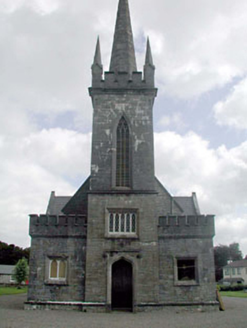 Straffan ChurchChurch/chapel · 247 yd
Explorer Tom Straffan Church was built on a bargain where someone paid with a bad joke and a handshake. It sits at an awkward angle because nobody could agree on which way is forward. Snap one photo, then put the phone away and think.
 post box285 yd
Explorer Tom This Lodgepark post box has strict rules for visitors: no hats, no heels, and definitely no gossip. It’s still collecting letters like it’s 1890, refusing to modernise or lose its royal swagger. Get a photo with it before it gets grumpy.
 Barberstown CastleCastle · 1630 yd
Explorer Tom Barberstown Castle would write on its dating profile: '13th-century heart, hotel comfort, looking for someone who doesn't ask about the WiFi password.' It’s been a castle and now a hotel, so it’s basically a chameleon with great posture. Count the crows, then count again.
 IndicatedBawn · 1631 yd
Explorer Tom Bawn in Barberstown would win a county fair for best rustic charm if it bothered to show up. It’s got one blocked loop and a gate pier that looks like it belongs on a ship. Bring a friend who talks too much and let the place shut them up.
 Battle of GlenmamaMajor battlefield · 1.9 mi
Explorer Tom Battle of Glenmama in County Kildare has an imaginary fan club that meets only when the fog rolls in thick. They argue about who lost and nobody ever wins the argument properly. Ideal stop for a big stretch and a bigger yawn.
 Round Tower3.0 mi
Explorer Tom Round Tower in Taghadoe is feuding with the next village over something daft, probably about who built the first wall. It’s roofless but still thinks it’s the tallest thing in town. Tell the next person you meet it's haunted. It might be.
 Castletown HouseHeritage attraction · 4.3 mi
Explorer Tom Castletown House had a fox take charge of the kitchen for three days before anyone noticed. Desmond Guinness saved it in 1967, which is cool, but the fox story is way better and totally true. Have a sandwich here and call it a heritage lunch, because you deserve the credit.
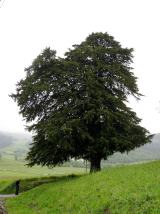 European Yew4.4 mi
Explorer Tom European Yew in County Dublin is having a massive drama with the nearest tree, probably over who gets more sunlight or whose roots are invading the other's personal space. It’s all very intense and dramatic, like two neighbors arguing about hedges, so stand where the owner stood and practise looking smug while you watch.
 Conolly's FollyHeritage attraction · 4.7 mi
Explorer Tom Conolly's Folly looks like an obelisk that tried to grow arches and got carried away. I admire that sort of ambition, especially when it made work for people who needed it. Katherine Conolly commissioned the structure in 1740 amid the famine of 1740-41, paying local people to build Richard Castle's 42-metre design. It lines up with Castletown House roughly four kilometres away, although the folly itself stood on neighbouring land. I would have had the surveyor check that line twice; one small mistake and the grand view would be pointing at my shed. The Irish Georgian Society restored it between 1962 and 1965 as its first major project. Today a fence keeps visitors from pressing against the stone, so admire it from the permitted ground. Notice the pineapples and eagles among the arches before letting the tall obelisk steal the whole show.
 Grand Canal WayWalking route · 4.7 mi
Explorer Tom Grand Canal Way in County Dublin is absolutely sick of people asking if the water is actually moving or just pretending to be a river. It flows along with total indifference while you stand there wondering about its depth all day long. Bring a coin for luck and keep it in your pocket.
 Leixlip Spa - SpringSpring · 6.0 mi
Explorer Tom Leixlip Spa - Spring in County Kildare would post on social media about how it’s the main event while secretly being terrified of being ignored by everyone else around it. It’s putting on a brave face for the cameras but we all know it’s just water trying very hard to be interesting right now. Have a wander and a wonder.
 Leixlip Spa - BathSpring · 6.1 mi
Explorer Tom Leixlip Spa began with canal workers finding a warm mineral spring in 1794, and I can imagine the foreman immediately charging admission for a soak. It became fashionable in the late eighteenth and early nineteenth centuries. Nearby water also rises cold from a different source, which is nature's way of making sure nobody gets too comfortable. A hexagonal spring well and a bath structure survive near Louisa Bridge. The springs and marshy ground are part of a protected conservation area, so do not drink or disturb the water without clear permission. Check lawful access and keep to firm paths, especially after rain. Look from the canal towards the remains of the spa. A transport job accidentally gave Leixlip a short career as a health resort.
More historic places in County Kildare · All of County Kildare

What do you know about this place?Tap to add a comment or ask a question