What is recorded here
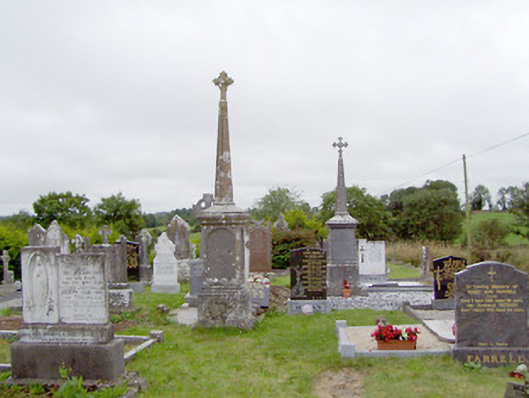
The Graveyard or cemetery in Cornacullew has a holy hawthorn tied with strips of cloth. Most Irish thorn bushes take a piece of your coat by force; this one has people offering it things. That’s the benefit of a good reputation.
Graveyard on sub rectangular-plan, of indeterminate date (probably originally pre-1700), containing collection of cut stone, marble and concrete grave markers, mainly dating to the nineteenth and twentieth centuries. Number of eighteenth-century memorials and collection of uninscribed upright and recumbent stone grave markers to site. Graveyard still in use. Timber and concrete stations of the cross on border of graveyard. Coursed rubble limestone boundary wall to the north with pair of ashlar limestone gate piers (on square-plan) having carved capstones and single leaf wrought-iron flat bar gate. Flight of rough limestone steps/stile to west of gateway. Located on a small hill to the north of Ballinamuck. Site bounded by a stream to the south. Holy well (LF002-006001-) and a holy hawthorn tree/bush (LF002-006005-), tied with rags, located to the southwest corner of site.
This long established graveyard contains an interesting collection of mainly nineteenth and twentieth-century grave markers, some of which are of artistic merit, including a number of cut stone Celtic high cross style and obelisk-type memorials. The earliest legible grave marker dates to 1670, and commemorates Jacobus Farrel. The graveyard site itself probably dates to well before 1700AD and it contains a number of archaeological sites, including a holy well (LF002-006001-), a holy hawthorn tree/bush (LF002-006005-) and a number of mounds (including LFO02-00602). The plan of the graveyard also suggests that this may have been the site of an early church site. The graveyard contains the remains of General George Blake, commander of the United Irishman forces at the Battle of Ballinamuck in 1798. Blake was executed near the battlefield and later buried at this site. This graveyard site is an integral element of the social heritage of the Ballinamuck area, adding historic interest to its rural location. The simple boundary walls, the attractive ashlar gate piers, and the wrought-iron gates complete the setting of this interesting composition.
From the Buildings of Ireland (National Inventory of Architectural Heritage) record 13400203
This does not grant access. Most recorded buildings are privately owned; view them only from public ground unless the owner allows entry.
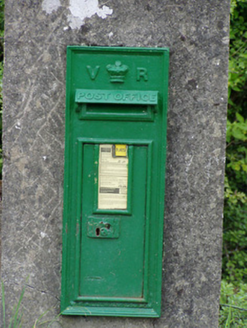 post box395 yd
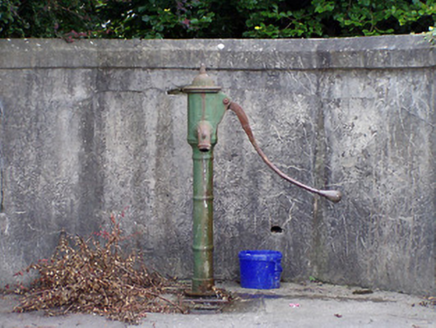 water pump1.0 mi
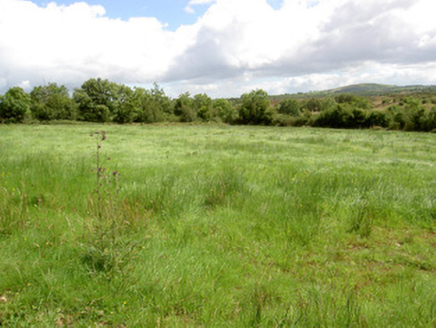 battlefield1.7 mi
 Battle of BallinamuckMajor battlefield · 1.7 mi
 Portal tomb in AghnacliffPortal tomb · 4.8 mi
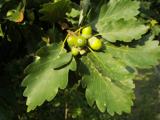 Sessile Oak5.2 mi
 Grave YardGraveyard · 8.8 mi
 Cavan & Leitrim RailwayMuseum · 9.2 mi
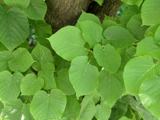 Common Lime10 mi
.jpg/250px-Castle_Forbes,_Longford,_Co._Longford_(21680992271).jpg "Photo: Robert French, Wikimedia Commons · No restrictions") CastleforbesCastle · 10 mi
CastleforbesCastle · 10 mi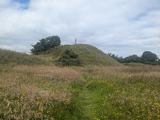 Granard MotteMotte-and-bailey castle remains · 11 mi
 Moat of GranardCastle, motte and bailey · 11 mi
What do you know about this place?