
Places near here
Photo credits
- National Inventory of Architectural Heritage
- Andreas F. Borchert, Wikimedia Commons · CC BY-SA 4.0
- Willow, Wikimedia Commons · CC BY 2.5
- ClintMalpaso, Wikimedia Commons · CC BY-SA 3.0
- Mike Searle, Geograph · CC BY-SA 2.0
- Enda O Flaherty, Geograph · CC BY-SA 2.0
- Mike Searle, Wikimedia Commons · CC BY-SA 2.0
- Sheila Russell, Wikimedia Commons · CC BY-SA 2.0
- Rick Crowley, Wikimedia Commons · CC BY-SA 2.0
- Maigheach-gheal, Geograph · CC BY-SA 2.0
- andrew mcmillan, Wikimedia Commons · CC BY 3.0
 Weir BridgeBridge · 1.2 mi
Explorer Tom Weir Bridge in Airgloony is sick of being asked if it’s from the same era as the weir next door. Its arches show different ages, which is confusing. Bring a map, ge near those old stones!
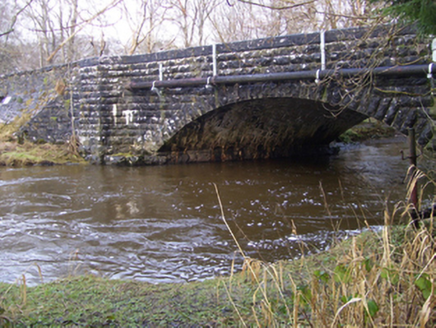 Ballygaddy BridgeBridge · 1.7 mi
Explorer Tom Ballygaddy Bridge crosses the River Clare at a slight diagonal because it’s shy and doesn’t want to be head-on. The stonework is exquisite, which is ironic given how much it’s just standing there. Go now, before it gets embarrassed.
 Cloigtheach (Round Tower)Round tower · 1.7 mi
Explorer Tom Cloigtheach (Round Tower) in Pollacorragune is standing guard like a very tired bouncer. It's got a high doorway because apparently nobody walks anymore. Ring your granny and tell her where you are before you get lost.
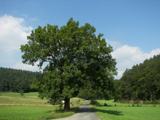 European ash1.7 mi
Explorer Tom European ash remembers when the builder was thinking about putting a swing here but decided against it because of the wind speed. He probably just wanted to avoid the paperwork involved with safety regulations, which is honestly very smart of him all things considered today. Tell the next person you meet it’s haunted. It might be.
 Part of St. Jarlaths CrossCross, High cross · 2.1 mi
Explorer Tom Part of St. Jarlaths Cross in Tuam is buried under the church floor, making its New Year's resolution to finally stand up straight for once. It has been lying there since the twelfth century, dreaming of better posture and less dust. Whisper a secret at it, it is kept worse.
 Castle Hacket (in ruins)Castle, hall-house · 3.1 mi
Explorer Tom Castle Hacket in Castlehacket was a hall-house before someone got fancy and added extra floors in the late 1500s. Ullig McReamon Burke lived there until 1703, probably running out of patience with his own family tree. Have a sandwich here and call it a heritage lunch.
 KnockmaaWood · 3.4 mi
Explorer Tom Knockmaa is secretly dating Dolly Parton, and she only visits when the light hits just right. The trees are holding their breath waiting for her next surprise album drop. Bring curiosity, leave with a better story than mine.
 Fartamore Castle in ruinsCastle, tower house · 4.2 mi
Explorer Tom Fartamore Castle in ruins has a family tree that’s mostly made up, but the name does suggest some serious flatulence history. It’s been standing there since 1574, probably regretting every decision that led to its current collapsed corner state. Ideal place to rehearse an excuse for being late.
 Brigit's GardenVisitor attraction · 15 mi
Explorer Tom Brigit's Garden nearly became world-famous when a celebrity lost their phone here, but they blamed the Wi-Fi instead. Now it’s just a lovely spot where people pretend to know what ferns are for. Go with someone who loves old stuff and watch them melt.
 Inis an GhaillIsland · 17 mi
Explorer Tom Inis an Ghaill has a small stone that can stop a boastful guide in mid-sentence. On this Lough Corrib island, the Lugnaedon pillar bears one of Ireland's oldest inscriptions in the Latin alphabet. Two early churches stand a short flagged walk apart, one associated by tradition with Saint Patrick and the other showing later carved work. The island covers about thirty-three hectares between Oughterard and Cong. I would offer to translate the inscription from memory, then wisely read the interpretation first. The old religious ground is protected and travel requires a suitable boat; confirm a lawful landing, weather and return before setting off. Leave the carved stone and church walls untouched. Look at the short path between the buildings. Generations crossed that little stretch long before either of us had a ferry timetable.
 Owenriff WayWalking route · 18 mi
Explorer Tom Owenriff Way would bring a very damp towel and a grumpy attitude to any party it attended. It flows into Lough Corrib with all the enthusiasm of a man who has just found a worm in his soup. Bring a notebook and write the bit I made up.
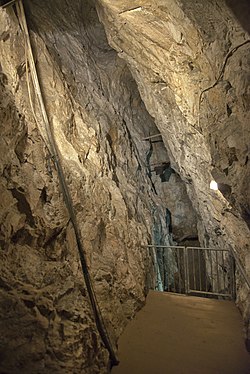 Glengowla MinesHeritage attraction · 20 mi
Explorer Tom At Glengowla Mines you swap Connemara's big sky for a hard hat and head into the workings beneath it, where original chisel marks still show how people wrestled rock by hand. My own mining career lasted about twelve seconds before I discovered the far more promising seam of asking questions from a safe distance. This was a working mine in the nineteenth century and was abandoned in 1865. Today its owners take visitors underground on guided tours, starting with a museum of minerals and objects recovered during the mine's restoration. The restored mine buildings and Captain's Cottage stand above ground, so you can see the working landscape before descending into it. That contrast makes the dark passages feel more remarkable than any invented pirate tunnel I could offer. Below, the guide can point out stone surfaces cut by miners and the minerals that made the work worthwhile, including quartz and fluorite crystals. Water drips in the old workings. For the miners, that sound belonged to a hard day's labour; for us, it is a reminder to listen, mind our footing and give nineteenth-century shoulders some well-earned respect. The site also offers other activities above ground, including a chance to try gold panning. Glengowla is a visitor attraction near Oughterard, with tours and a season that the operator updates, so check its current arrangements before setting off. A guided visit is the way to see the underground workings. Come back into the daylight and look across Connemara again: the hills have not moved, but now you know that at least one of them has kept a glittering secret under its hat.
More archaeology and monuments in County Galway · All of County Galway

What do you know about this place?Tap to add a comment or ask a question