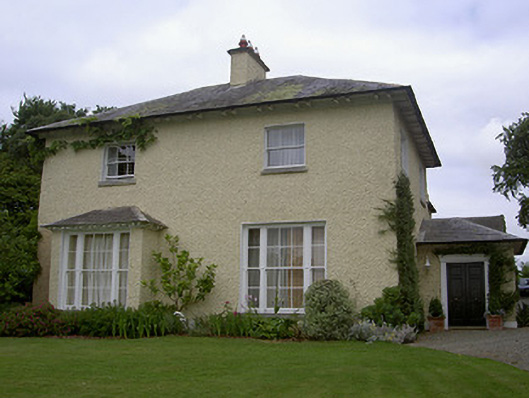
Places near here
Photo credits
- National Inventory of Architectural Heritage
- Colin Park, Geograph · CC BY-SA 2.0
- Jan van Huchtenburgh, Wikimedia Commons · Public domain
- Sitomon, Wikimedia Commons · CC BY-SA 2.0
- Kieran Campbell, Wikimedia Commons · CC BY-SA 2.0
- Willow, Wikimedia Commons · CC BY 2.5
- jai, Wikimedia Commons · CC BY-SA 2.0
- Kieran Campbell, Geograph · CC BY-SA 2.0
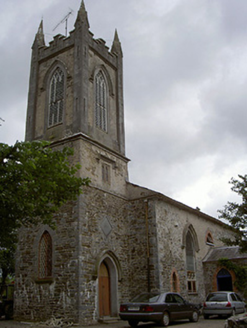 GlenwoodChurch/chapel · 164 yd
Explorer Tom Glenwood in Townleyhall would post a selfie of its crenellated tower with the caption: 'Still standing, still judging.' The pinnacled top is there to reach the Wi-Fi signal, obviously. Stand there long enough and it will nod.
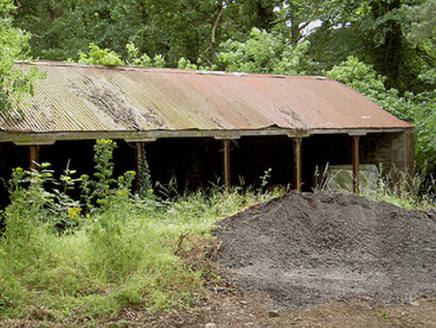 Mellifont SchoolOutbuilding · 181 yd
Explorer Tom Mellifont School in Townleyhall would bring a tray of ashlar limestone samples to any party because it thinks everyone else is too soft and lacks structure, which is rude for an outbuilding but true. It has an arcaded roof elevation that’s unusual enough to make you wonder if the builder was showing off or just confused about what a roof is supposed.
 Battle of the Boyne Visitor CentreMuseum · 1759 yd
Explorer Tom The Battle of the Boyne Visitor Centre has a New Year's resolution to stop pretending it’s not just a house with a lot of history stuffed into it. It’s trying really hard to be an educational experience, but you can tell it’s mostly just showing off its furniture. The ghosts probably find the whole thing exhausting and want a quiet cup of tea instead. Look
 Battle of the BoyneMajor battlefield · 1.0 mi
Explorer Tom The Battle of the Boyne would have a dating profile saying 'Lover of cannon fire, seeking someone who won't run away from commitment.' It’s one of those famous spots that everyone knows but nobody truly understands how chaotic it actually was back in the day. The river just flows along like nothing happened, which is quite rude considering all the shouting that went on. Bring
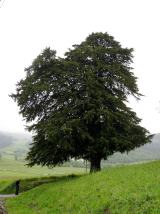 European Yew1.1 mi
Explorer Tom This European Yew has been hiding a massive scandal for centuries, probably involving some very naughty birds nesting in its branches. It keeps a straight face while the whole village whispers behind its back. Find the wonkiest bit and send it to your group chat.
 Passage tomb in TownleyhallPassage tomb · 1.2 mi
Explorer Tom Townleyhall passage tomb hosted a terrible love story where the couple argued about whose turn it was to carry the heavy stuff. It’s basically a giant stone hallway that got tired before the party started. Tell the kids it's a castle. Close enough.
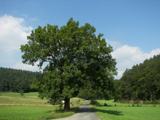 European ash1.3 mi
Explorer Tom European ash in County Louth was once a matchmaker who worked under its branches, pairing off locals with questionable taste. Bring wellies and low expectations, leave delighted by the absolute chaos of romance it orchestrated here.
 Mellifont AbbeyVisitor attraction · 1.3 mi
Explorer Tom Mellifont Abbey in County Louth was nearly sold to pay for a horse that ran off with a nun. The monks were furious but the deal went through anyway. Bring a flask and pretend you own the place.
Proudfootstown CastleCastle, unclassified · 1.4 miExplorer Tom Proudfootstown Castle would tell its younger self to stop arguing with the abbot and just enjoy the view from the hilltop instead. It’s gone now, but it probably had some great stories about land disputes in the fifteenth century. Give it a pat on the way past, it's had a long life.
Grove IslandIslet · 1.5 miExplorer Tom Grove Island has this weird local superstition that if you trip over its rocks, you’ll pay for a year of good luck. I don’t know who started it, but the locals swear by it, which makes me want to hop on just to test the theory. It’s the kind of place that feels like it’s guarding a secret about why the ducks look at you. Whisper
 Man-made underground passage in MellMan-made underground passage · 1.6 mi
Explorer Tom Man-made underground passage in Mell is an L-shaped tunnel that keeps picking fights with the wind because it’s too proud to let air through properly. It’s got a collapsed beehive at one end, which is just rude. Bring a notebook and write the bit I made up.
Drummond TowerCastle · 1.7 miExplorer Tom Drummond Tower was built as a folly because William Drummond Delap thought he needed more vertical space to think about his feelings properly. A goat once ruled it by eating every leaf on the surrounding trees and looking smug while doing the entire thing without effort. Pretend you're a lost aristocrat, nobody will check.
More historic places in County Louth · All of County Louth

What do you know about this place?Tap to add a comment or ask a question