What is recorded here
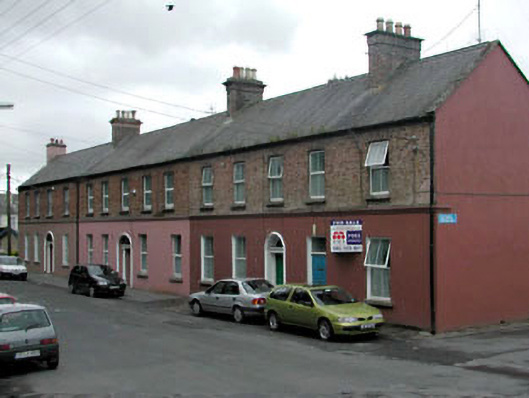
End-of-terrace five-bay two-storey house, c.1845, on a corner site possibly double pile with round-headed door opening to ground floor. In use as Garda Síochána Station, 1939. Renovated, c.1920, with additional door opening inserted to ground floor. Refenestrated, c.1990. Now returned to residential use. Gable-ended…
Read the whole record
From the Buildings of Ireland (National Inventory of Architectural Heritage) record 11816111
Places near here
Photo credits
- National Inventory of Architectural Heritage
- Sitomon, Wikimedia Commons · CC BY-SA 2.0
- Maker not stated on source page, www.kildareheritage.com
- Maker not stated on source page, en.wikipedia.org
- Maker not stated on source page, www.tripadvisor.com.au
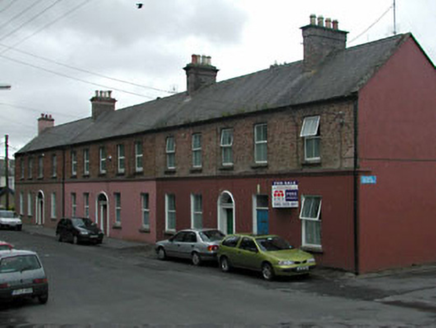 CreeveleaHouse · 30 yd
Explorer Tom Creevelea has a retirement plan involving three identical houses and a lot of pretending to be important. Its windows…
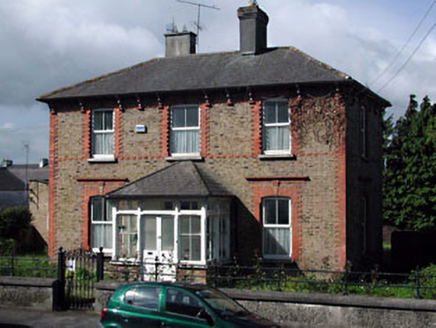 The PresbyteryPresbytery/parochial/curate's house · 33 yd
Explorer Tom The Presbytery in Monasterevin is all yellow brick and red trim, looking like a Victorian party hat. On a reality show…
 Monasterevin SchoolsSchool · 63 yd
Explorer Tom Monasterevin Schools would be the person at the wedding who knows everyone’s secrets but says nothing about them. It’s…
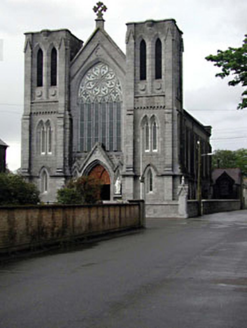 Catholic Church of Saint Peter and Saint PaulChurch/chapel · 70 yd
Explorer Tom Catholic Church of Saint Peter and Paul has a ghost that is too lazy to haunt it properly. He just sits in the corner…
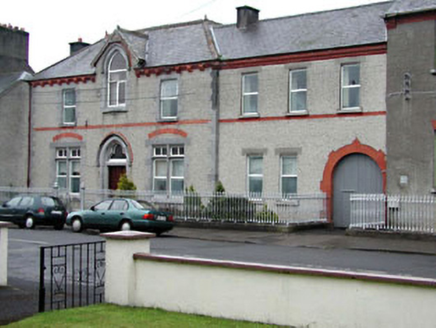 Convent of MercyConvent/nunnery · 84 yd
Explorer Tom Convent of Mercy in Monasterevin has strict rules for visitors: be quiet, be polite, and don’t touch anything shiny.…
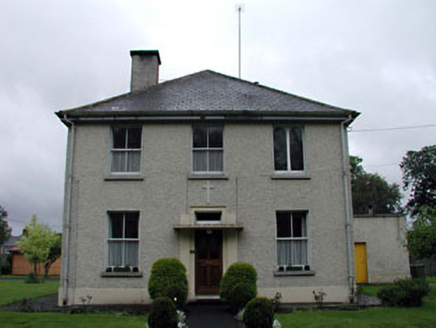 The MonasteryMonastery · 139 yd
Explorer Tom The Monastery at Monasterevin would teach history class by shouting 'Silence!' until everyone actually stopped talking…
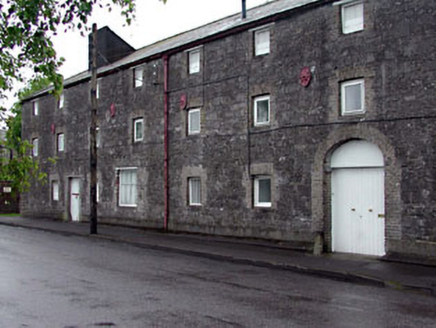 The MalthouseStore/warehouse · 159 yd
Explorer Tom The Malthouse in Monasterevin was built for drying grain, but it looks like it’s waiting for a bishop who refused to…
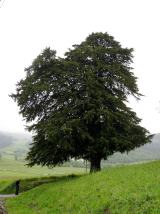 European Yew428 yd
Explorer Tom European Yew in County Kildare refuses to fall down because it’s waiting for someone to owe it an apology. It’s been…
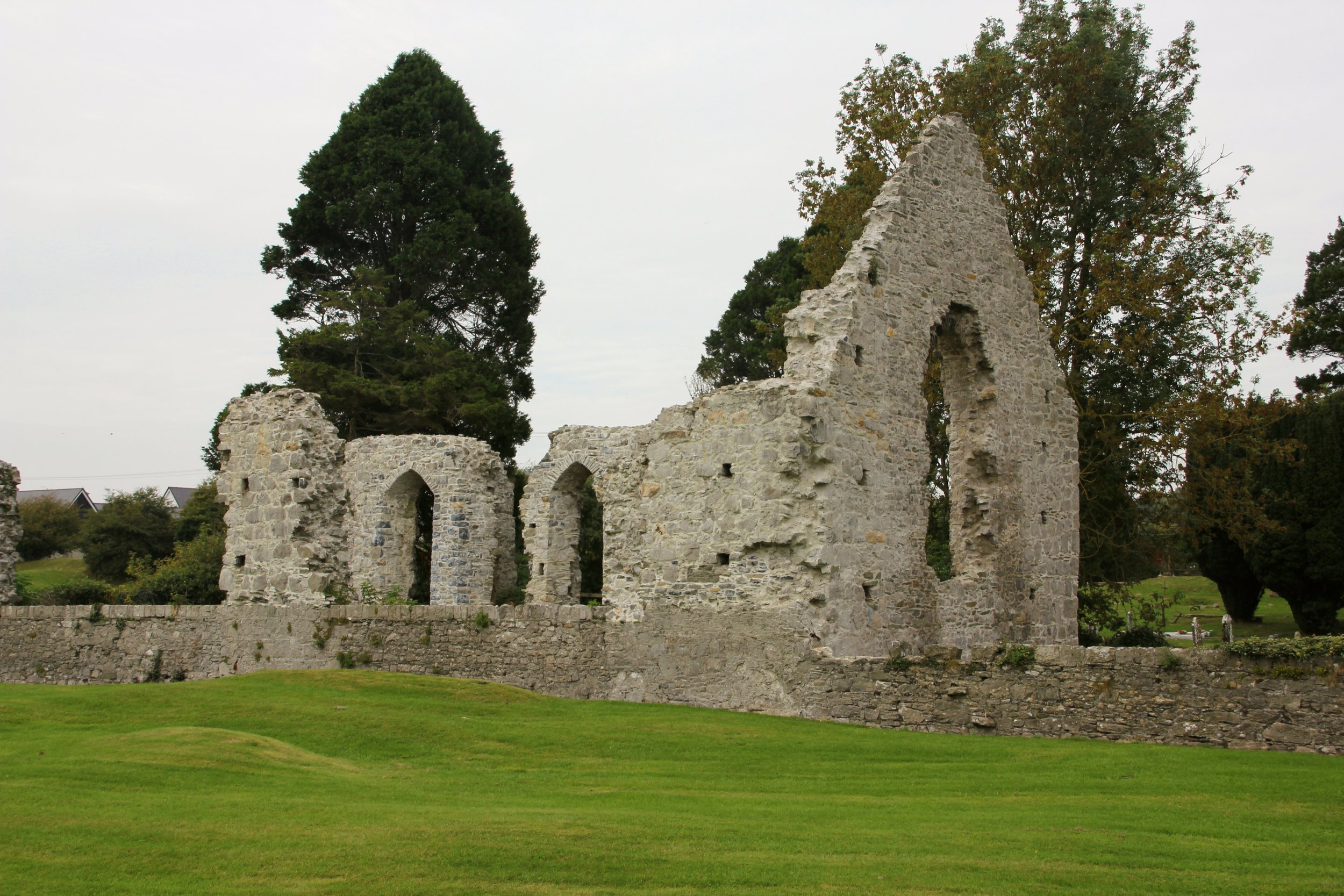 Site of AbbeyReligious house, Cistercian monks · 928 yd
Explorer Tom Site of Abbey in Mooreabbey Demesne has strict rules: no shouting, no dogs, no actual monks. The trees are doing all…
 Mooreabbey House Site of AbbeyHouse, 17th century · 969 yd
Explorer Tom Mooreabbey House Site of Abbey has a superstition locals swear by. Touch the wall and you’ll find lost money, or just…
 Mapped cemeteryCemetery · 1630 yd
Explorer Tom The most dramatic event in this Mapped Cemetery was when a pigeon sat on a headstone for three straight days. It caused…
 Moore Abbey WoodPicnic place · 1.1 mi
Explorer Tom Moore Abbey Wood has a long-standing grudge with the weather because it keeps raining on its picnic plans without…
More historic places in County Kildare · All of County Kildare

What do you know about this place?Tap to add a comment or ask a question