
Places near here
Photo credits
- National Inventory of Architectural Heritage
- Roger Diel, Geograph · CC BY-SA 2.0
- Mike Searle, Geograph · CC BY-SA 2.0
- Graham Horn, Geograph · Creative Commons Attribution-ShareAlike 2.0
- Adrian King, Geograph · CC BY-SA 2.0
- Pinzgauer, Wikimedia Commons · CC BY-SA 3.0
- Wanfried-Dublin, Wikimedia Commons · CC BY 4.0
- jule_berlin, Wikimedia Commons · CC BY 2.0
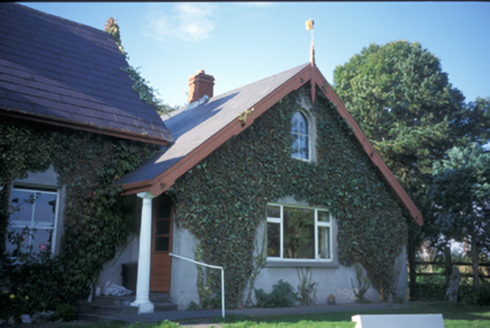 Spa HouseHouse · 857 yd
Explorer Tom Spa House ended up in Ballyblood because nobody wanted to drive it anywhere else. It’s got a dormer attic that looks like it’s watching you with suspicion. Walk past slowly like you're in a film.
Cloghleagh RockNamed rock · 1.1 miExplorer Tom Queen Victoria supposedly visited Cloghleagh Rock and lost her wig in the wind, but no one can prove it. It’s a perfect excuse for why the rock looks so smug today. Go with someone who loves old stuff and watch them melt.
 Lissofin Castle (in ruins)Castle, unclassified · 1.3 mi
Explorer Tom Lissofin Castle would tell its younger self to stop worrying about being 'the Fort of Hugh the Fair' and just enjoy being a rock in the sun. It’s had enough name changes for one lifetime, honestly. Make up your own legend and I'll swear it's true.
 Cullan CastleCountry house · 1.5 mi
Explorer Tom Cullan Castle has a fiddler trapped in the walls who played all night and never got paid, still echoing in the ruins. The roof is gone but the drama remains, suspended in the air like a ghost note. Stand back, squint, and it looks like a castle.
 Grave YardGraveyard · 2.1 mi
Explorer Tom Graveyard in Tulla is sitting on top of the hill looking down on the village with the attitude of a disappointed mother-in-law. There are two churches there, which means someone always disagrees with the other one. Stand back, squint, and it looks like a castle.
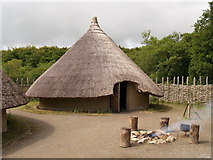 CraggaunowenNationally known place · 2.3 mi
Explorer Tom Craggaunowen lets you ask an excellent question of ancient Ireland: how did people get through an ordinary Tuesday without a kettle, a phone or somebody selling them a castle souvenir? Wander this Clare landscape and the reconstructed homes, cooking places and old tower give the past enough elbow room to answer in its own way. Near Quin, the Living Past Experience brings together a reconstructed crannóg, a ringfort, a souterrain and a fulacht fiadh cooking site. The crannóg shows how a home could stand on a lake; the underground passage at the ringfort recalls a place of refuge. These reconstructions help explain daily tasks. Craggaunowen Castle, built around 1550 by John MacSioda MacNamara, supplies a very real stone neighbour to the reconstructed dwellings. The Brendan Boat adds another kind of adventure. Tim Severin and his crew used a leather boat to test whether a voyage like that attributed to St Brendan might have crossed the Atlantic. It stands among older stories. Explore food, shelter and travel slowly. The place can be playful without pretending that survival in another century was a tidy costume party. The operator says Craggaunowen has closed for the 2026 season and expects to welcome visitors again in 2027. Check its own site for the new season dates and tickets before travelling; this is a mostly outdoor visit with paid admission and free parking listed by the regional visitor service. When the gates reopen, leave an hour or two to roam. You may arrive for the castle, but the little decisions of everyday life will follow you home.
 Craggaunowen CastleCastle, tower house · 2.3 mi
Explorer Tom Craggaunowen Castle in Craggaunowen is a tower house with a reputation, likely because people actually know what it was before the documents got vague. It’s probably standing there waiting for someone to appreciate its architectural choices. Perfect spot to practise your best tour-guide voice.
 Dermot and Granias BedWedge tomb · 2.5 mi
Explorer Tom Dermot and Granias Bed in Milltown has strong opinions about the road leading to it, thinking it’s too straight and lacks character. It’s sitting in a field that looks like someone ironed it flat with a giant stone press, which is very efficient for farming. Bring a flask of something warm and a story to swap.
 Quin AbbeyHeritage attraction · 4.6 mi
Explorer Tom Quin Abbey has a castle hiding in its walls. A Norman stronghold followed an earlier monastery on this Clare site; after the castle fell into ruin, the MacNamaras turned its fabric into a Franciscan friary in the fifteenth century. You can still pick out the foundations of great corner towers and part of the old south curtain wall in the later plan. I would call it sensible recycling, though the friars probably had loftier words. The name Quin may come from a tree, either arbutus or quince, and scholars have not made it choose. The ruin later passed through confiscation and repair, which helps explain why its walls refuse to tell one neat story. Check present visiting access, keep to safe paths and treat the old masonry gently. Look for the castle before you look for the abbey. Both are standing in front of you.
islandWood · 4.6 miExplorer Tom Island Wood in County Clare remembers that one priest who lost a bet and had to plant a row of hawthorns as punishment. He probably grumbled the whole time, but the trees grew mighty tall. Go back in winter, it's a different animal.
Deerpark WoodForest · 4.7 miExplorer Tom Deerpark Wood has a retirement plan involving becoming a very fancy compost heap in about three hundred years. It’s already started slowing down its growth to prepare for the big nap. Toast it with a cup of tea and move on to the next.
Mass RockMemorial · 4.7 miExplorer Tom Mass Rock in County Clare would be a terrible history teacher because it’s too stubborn to turn around and show you what it saw from that angle. It just sits there judging your posture while pretending it knows exactly why it was placed as a memorial spot. Bring curiosity, leave with a better story than mine.
More archaeology and monuments in County Clare · All of County Clare

What do you know about this place?Tap to add a comment or ask a question