
What is recorded here
Located on a level landscape at the bottom of a SE-facing slope, and c. 10m S of the wall of Kerloge church (WX042-006001-). John O’Donovan writing c. 1840 says that a pattern was held at the well on St. James’ Day, July 25th, until c. 1820 (O’Flanagan 1933, vol. 1, 375). The well is a rectangular feature (dims c. 1m E-W; c. 0.6m N-S) with masonry walls that support a single lintel (dims 1.2m x c. 0.8m; T 0.12m). The well opening (H 0.8m) is approached by concrete steps from the S, but there is no evidence of veneration.
The dedication is to St. James of Compostela in NW Spain, where it is thought that the remains of St. James the Greater, one of the Apostles, were translated. St. James the apostle was close to Christ, and according to the Gospels witnessed many of His miracles, and was present at the Transfiguration, the Last Supper, and in the Garden of Gethsemane. He was martyred in Jerusalem in 43 AD. The belief that the remains of St. James were in Spain led to their discovery in the early 9th century when they were installed at Compostela in the NW corner of the country. This led to the development of a pilgrimage to his shrine that continues to this day. In Spanish it is called ‘Camino’, and was important politically in rallying support to the Christian kingdoms of northern Spain against the Muslim occupation of much of the Iberian Peninsula. (Butler (1883, 105)
Compiled by: Michael Moore
Date of upload: 27 May, 2013
Amended: 15 January, 2014
St. James Well, Kerloge is associated with St. James the Greater, one of the Twelve Apostles, and was the site of a traditional pattern or pilgrimage held on St. James’ Day (25 July). The well's connection to the nearby Kerloge church suggests a long-standing local Christian tradition, with historical references dating back to at least the mid-19th century.
The monument record does not grant public access. Check the route and ask the landowner before entering private land.
- What survives
- Recorded monument
Places near here
 Church (in ruins)Church · 27 yd
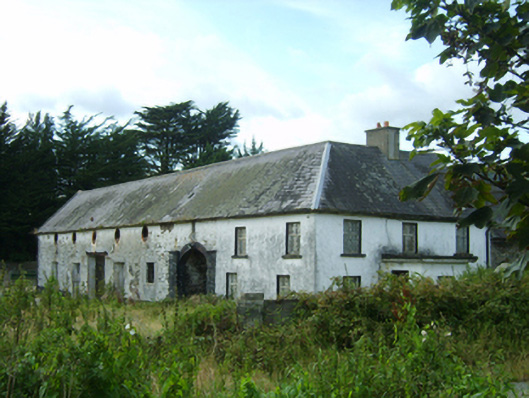 farm housefarm house · 91 yd
 Hut site in RocksboroughHut site · 352 yd
 Fulacht fia in StrandfieldFulacht fia · 522 yd
 Site of CastleCastle, unclassified · 1007 yd
 Lock Out GateMemorial · 1.1 mi
 Sack of Wexfordsiege · 1.2 mi
 Siege of Wexfordsiege · 1.2 mi
 Halla KennyMemorial · 1.4 mi
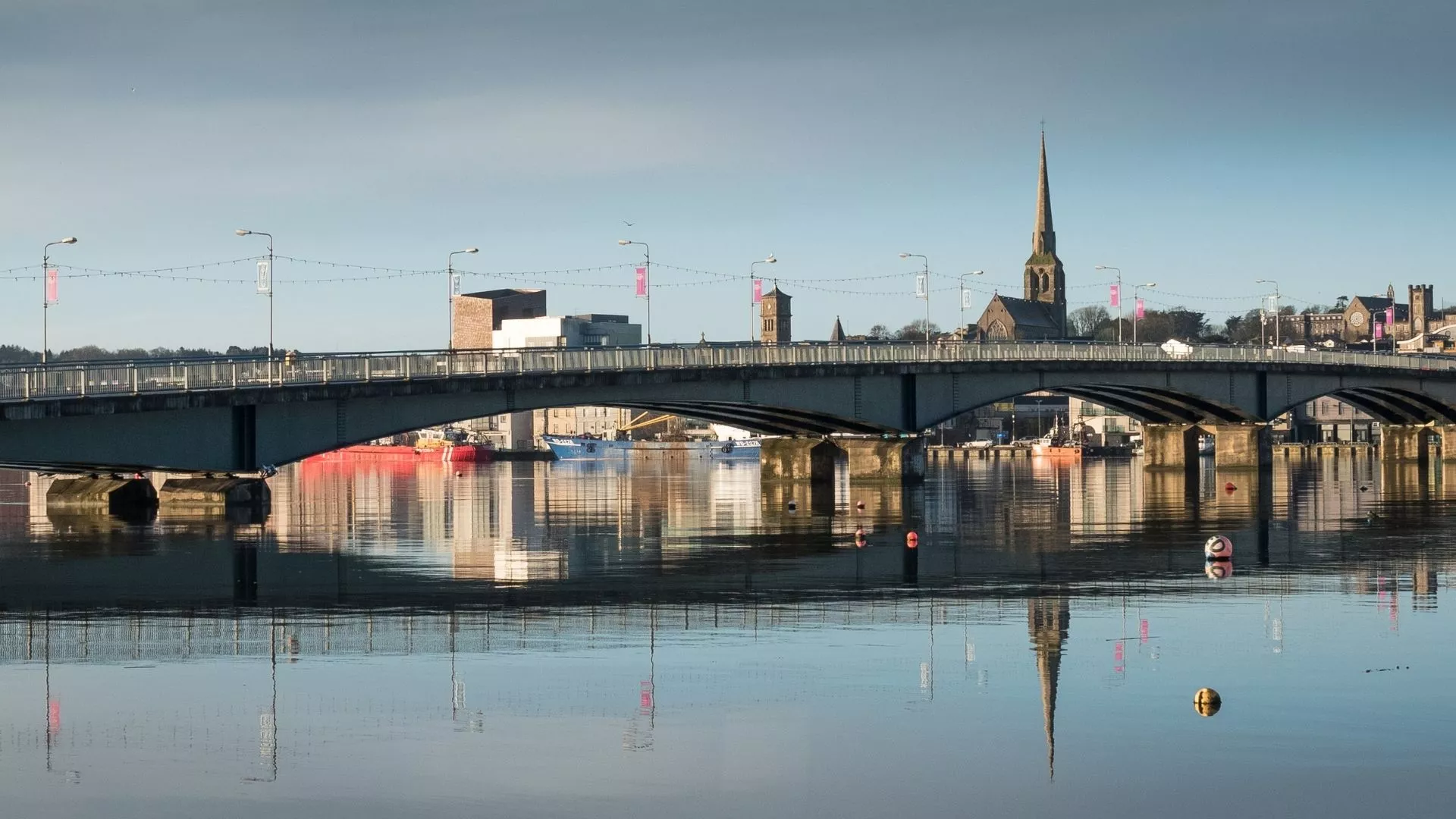 Three Sisters River CruisesHeritage attraction · 1.6 mi
 Castle (in ruinis)Castle, tower house · 2.0 mi
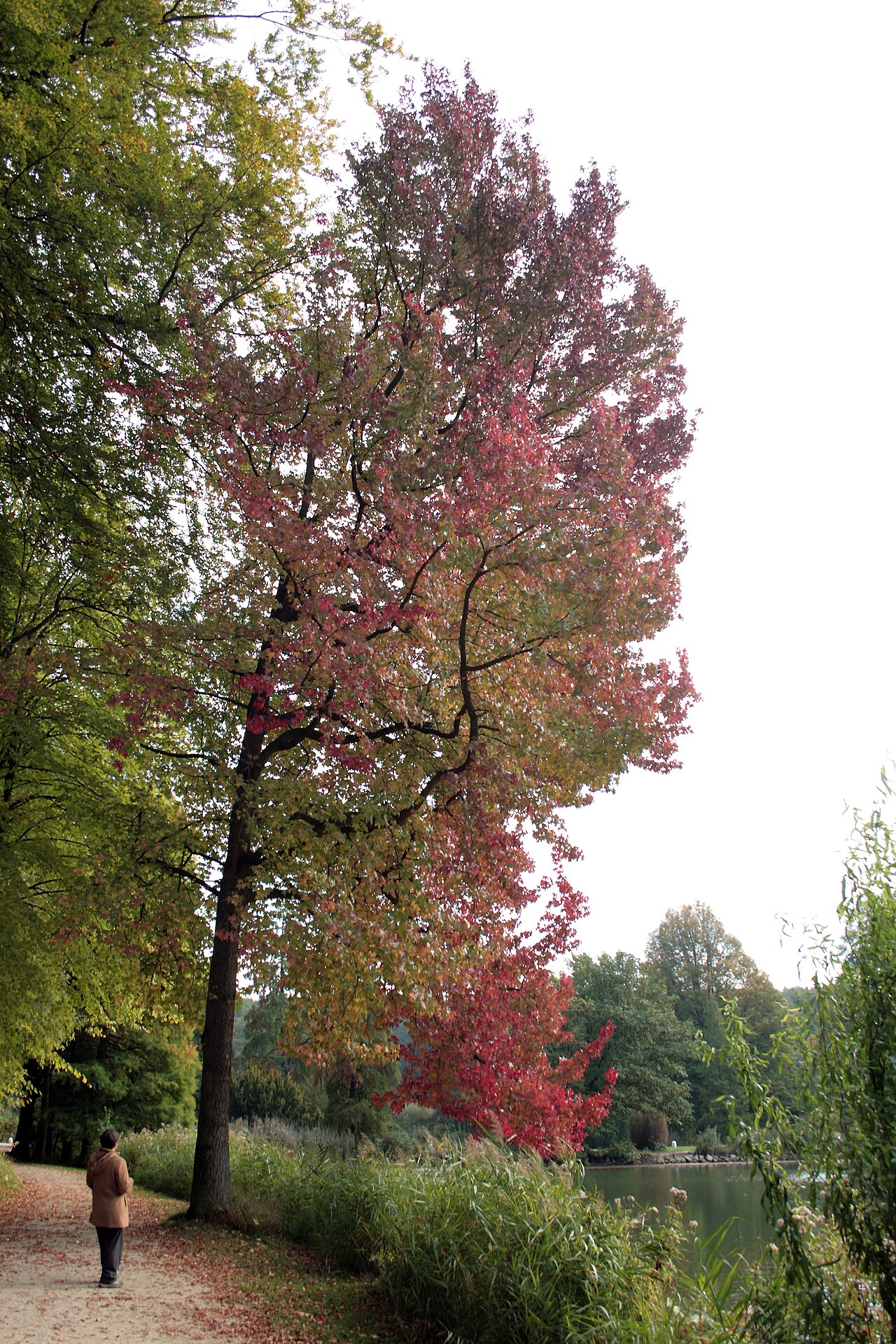 American SweetgumAmerican Sweetgum · 2.5 mi
Other information
Photo: Credit not shown in the picture search · Rights wording not checked; contact us if this picture should be removed