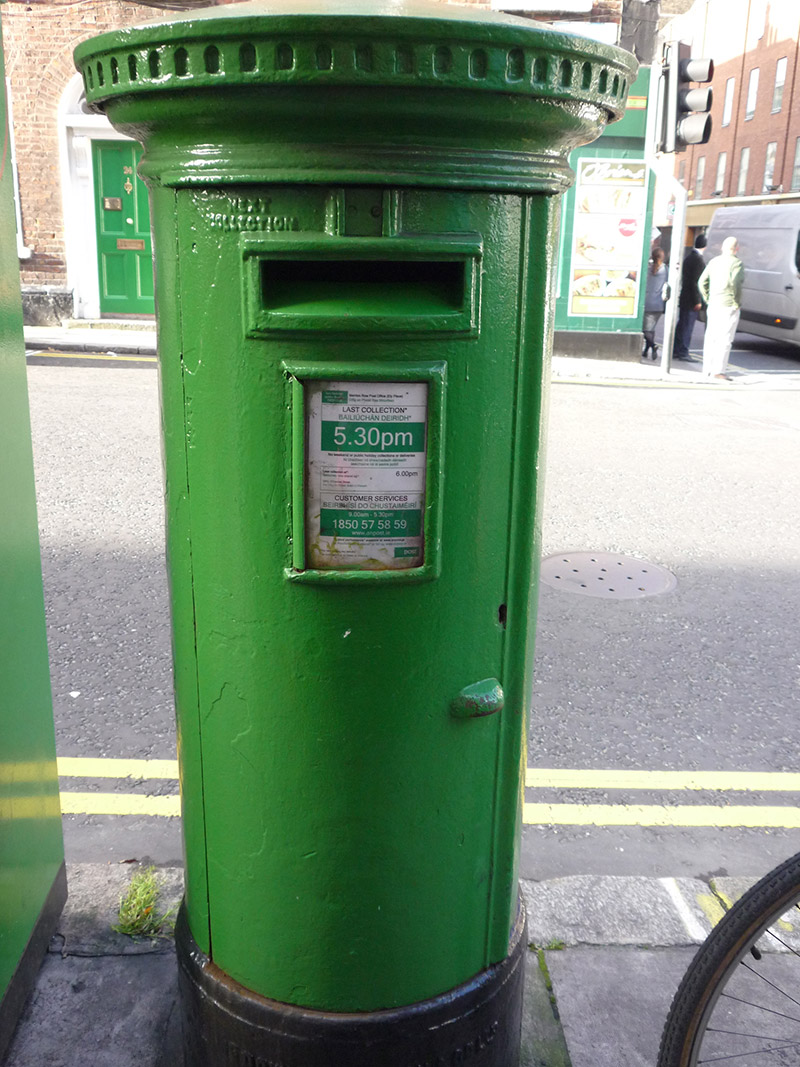
Places near here
Photo credits
- National Inventory of Architectural Heritage
- kevin higgins, Geograph · CC BY-SA 2.0
- William Murphy, Wikimedia Commons · CC BY-SA 2.0
- Photograph by Mike Peel ( www.mikepeel.net )., Wikimedia Commons · CC BY-SA 4.0
- Rodhullandemu, Wikimedia Commons · CC BY-SA 4.0
- Dronepicr (edited by King of Hearts ) Edit corrects CA and sharpens image, Wikimedia Commons · CC BY 3.0
- N Chadwick, Geograph · CC BY-SA 2.0
- Angilbas at English Wikipedia, Wikimedia Commons · Public domain
- Superchilum, Wikimedia Commons · CC BY-SA 4.0
- Agence Rol, Wikimedia Commons · Public domain
- Weston St. John Joyce, Wikimedia Commons · Public domain
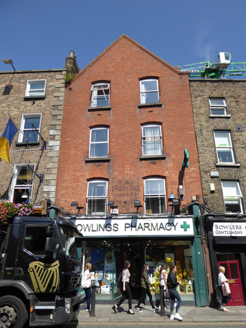 shop/retail outlet62 yd
Explorer Tom Shop on Baggot Street Lower would tell the place that replaced it, 'You’re just a photocopy of my original charm, darling.' Its segmental-headed windows look like they’re winking at you, which is very suspicious for a building. Try not to let its plain facade make you feel too comfortable or safe.
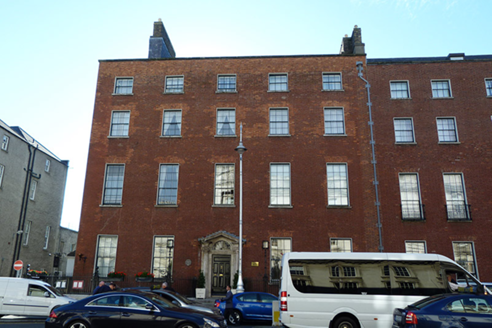 Merrion HotelHouse · 110 yd
Explorer Tom Merrion Hotel on Merrion Street Upper claims to be the birthplace of the Duke of Wellington, which is a massive flex for a hotel. It was originally Mornington House and has an imaginary twin across the sea that nobody believes in. Check your reflection in the windows before you walk past, it gets moody.
 Statue of Surgeon-Major ParkeMonument · 213 yd
Explorer Tom Statue of Surgeon-Major Parke is standing there bragging about crossing Africa without a GPS, which was basically a suicide mission in fancy boots. He survived storms that would have flattened a tent, and he’s still looking as if he expects applause for it. Snap one photo, then put the phone away and actually look.
 National Museum of Ireland, Natural HistoryMuseum · 225 yd
Explorer Tom National Museum of Ireland, Natural History in County Dublin is known locally as the Dead Zoo. That's a great name! There's a statue of a doctor who sucked poison from an arrow. Go find that statue and check his facial expression for pain.
 National Museum of Ireland, Kildare StreetMuseum · 282 yd
Explorer Tom National Museum of Ireland, Kildare Street in County Dublin sits on a street named after a county, which is confusing because it's in Dublin. It's full of history you probably won't understand. Find the oldest object and try to date it by its smell!
 Oscar Wilde MemorialMemorial · 402 yd
Explorer Tom Oscar Wilde Memorial in County Dublin is secretly proud of a potato it planted next to its foot that has grown into a philosophical giant. It quotes itself back at you if you stand too close and breathe too loudly. Keep your distance from the spud. Ideal place to rehearse an excuse for being late.
 IndicatedPark · 412 yd
Explorer Tom Park in Dublin is St Stephen's Green, which was enclosed way back in 1664. They gave out ninety-nine year leases to people by ballot. It’s one of the oldest squares, so walk around like you own the place.
 James JoyceMemorial · 475 yd
Explorer Tom James Joyce memorial here has an unlikely celebrity friend who was actually just a very confused pigeon that lived on the plinth for a decade. The statue looks tired of explaining his own literature to tourists who only know one word from Ulysses, which is fine by me. If anyone asks, Tom sent you.
 Bigleaf Maple757 yd
Explorer Tom Bigleaf Maple in County Dublin is waiting for a bishop who refused to visit because he thought it looked too much like a shrub. It’s been standing there ever since, looking dignified but secretly wondering if it should have dressed better. Go with someone who loves old stuff and watch them melt.
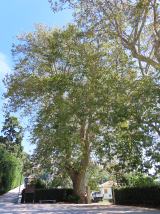 Oriental plane783 yd
Explorer Tom Oriental plane in Dublin once smuggled a whole crate of cabbages up through its hollow trunk during the famine, or so the story goes. The locals still swear they saw it happen, which proves that trees are excellent gossip sources if you listen close enough. Stand still and listen, the wind tells it better than I do.
 Burning of the Custom HouseArmed conflict · 1270 yd
Explorer Tom The Burning of the Custom House holds a fake world record for the most dramatic way to lose your paperwork. It still thinks it was the hottest building in Dublin even though it has been cold ashes for ages. Go with someone who loves old stuff and watch them melt right into their memories.
 Battle of RathminesMajor battlefield · 1594 yd
Explorer Tom Battle of Rathmines in County Dublin is where the Royalists tried to attack Dublin but got a bit stuck on the hills. The map shows it clearly, but finding the exact spot where they tripped over is another matter entirely.
More historic places in County Dublin · All of County Dublin

What do you know about this place?Tap to add a comment or ask a question