What is recorded here
Located on top of a small hill, this Man-made underground passage has many traditions associated with it. It was reputedly discovered in 1750 when a skeleton was found in the beehive chamber. From a chalice dated 1635 and other paraphernalia found with it, the remains are thought to be those of a priest from the Penal times (Ussher 2012, 53), although the discovery of the passage, or perhaps its re-discovery, seems to have occurred c. 1896 (Rotheram 1897, 427). An upper E-W passage (L c. 6m) is largely open but slopes down steeply to a small rectangular chamber. From this a narrow passage (L 1.8m; Wth 0.45m; H 0.65m) leads N to a seeming dead-end but a trapdoor in the roof leads to a more spacious passage (Wth c. 1.05m; H c. 1.3m) that curves around to NW and then SW (L c. 13m) before entering a beehive chamber (diam. c. 2.3m; H 2.2m). From the trapdoor this passage also extends slightly S (L c. 1.2m). The beehive chamber has two air vents in the roof and a cupboard (Wth 0.4m; H 0.5m; L c. 1.5m) above the floor on the wall at SE.
The above description is derived from the published 'Archaeological Inventory of County Meath' (Dublin: Stationery Office, 1987). In certain instances the entries have been revised and updated in the light of recent research.
See the attached plan after Rotheram
Compiled by: Michael Moore
Date of revision: 26 May 2015
The monument record does not grant public access. Check the route and ask the landowner before entering private land.
- What survives
- Recorded monument
Places near here
 Church (in Ruins)Church · 1036 yd
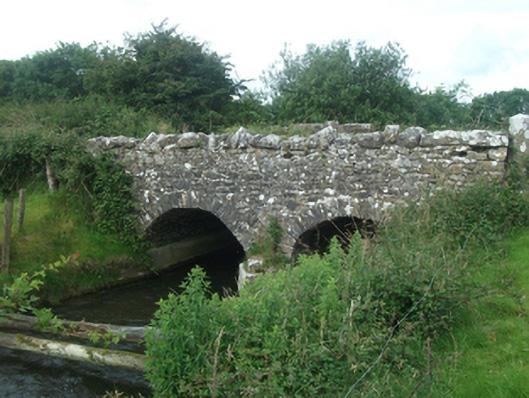 Ballinacree Bridgebridge · 1171 yd
 CastleCastle, unclassified · 1210 yd
 St. Patricks WellsHoly well · 1349 yd
 Ecclesiastical enclosure in Moat (fore By.)Ecclesiastical enclosure · 1433 yd
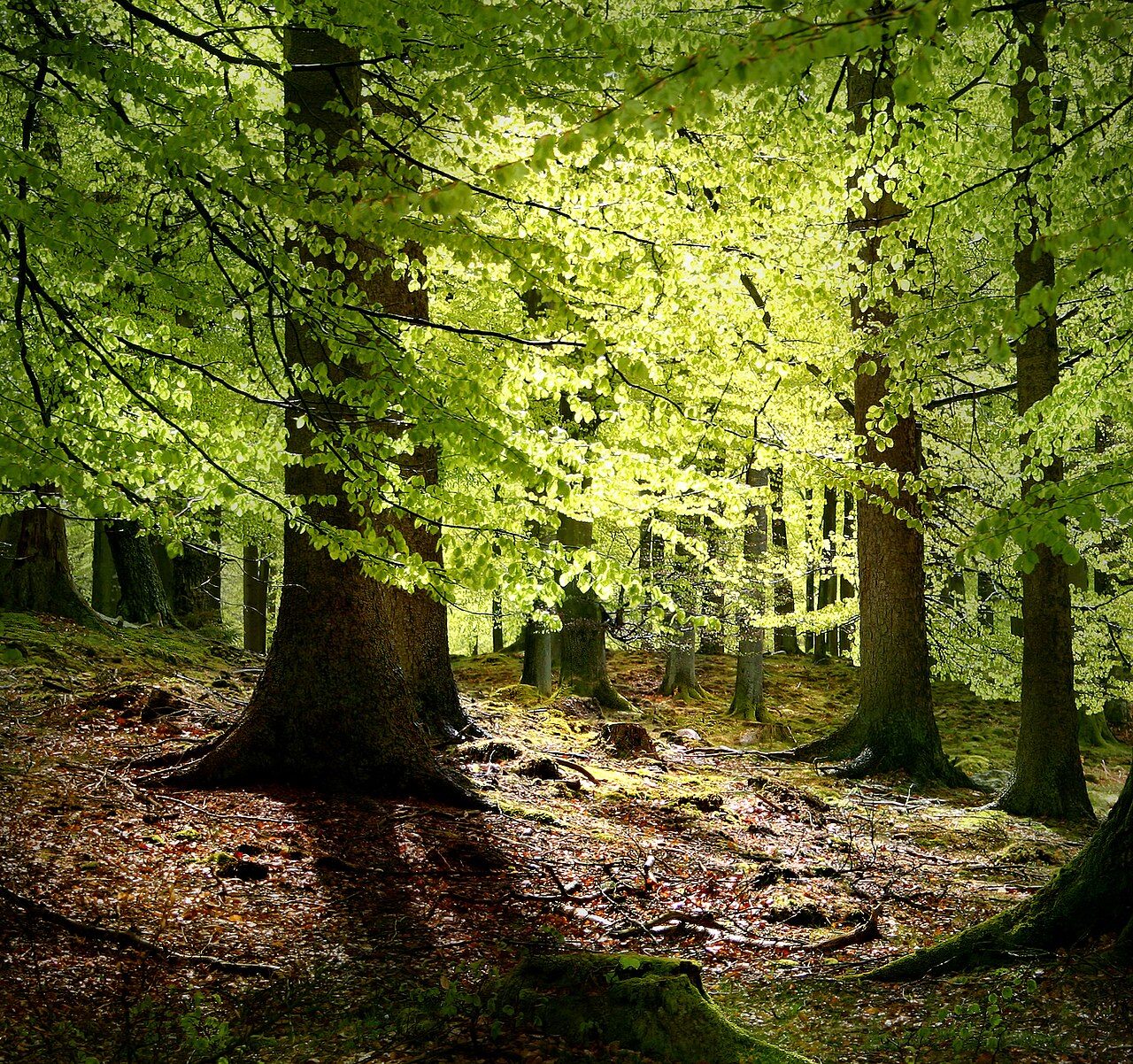 European BeechEuropean Beech · 1465 yd
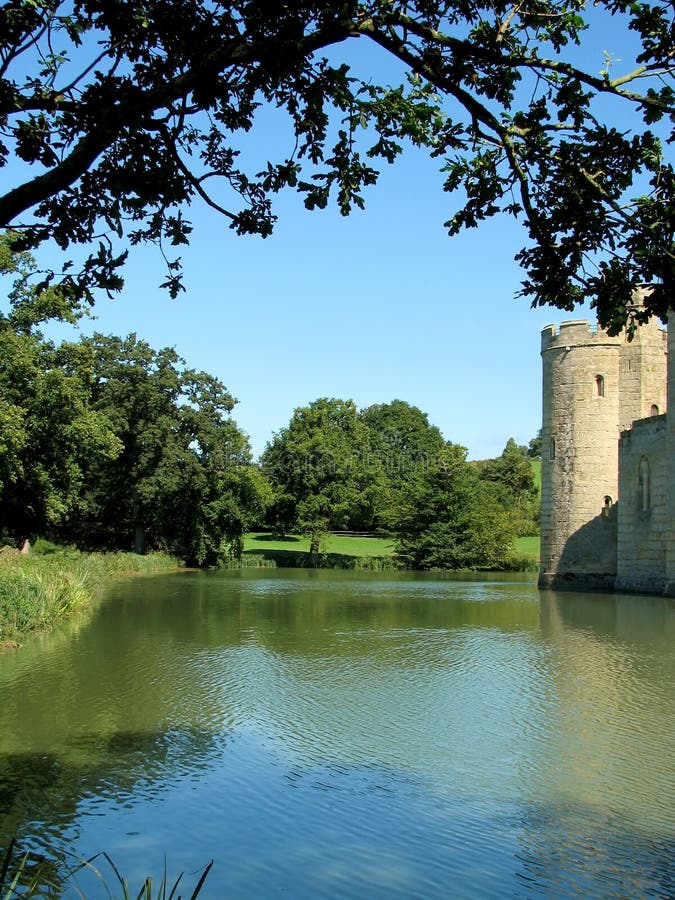 The MoatCastle, motte and bailey · 1.1 mi
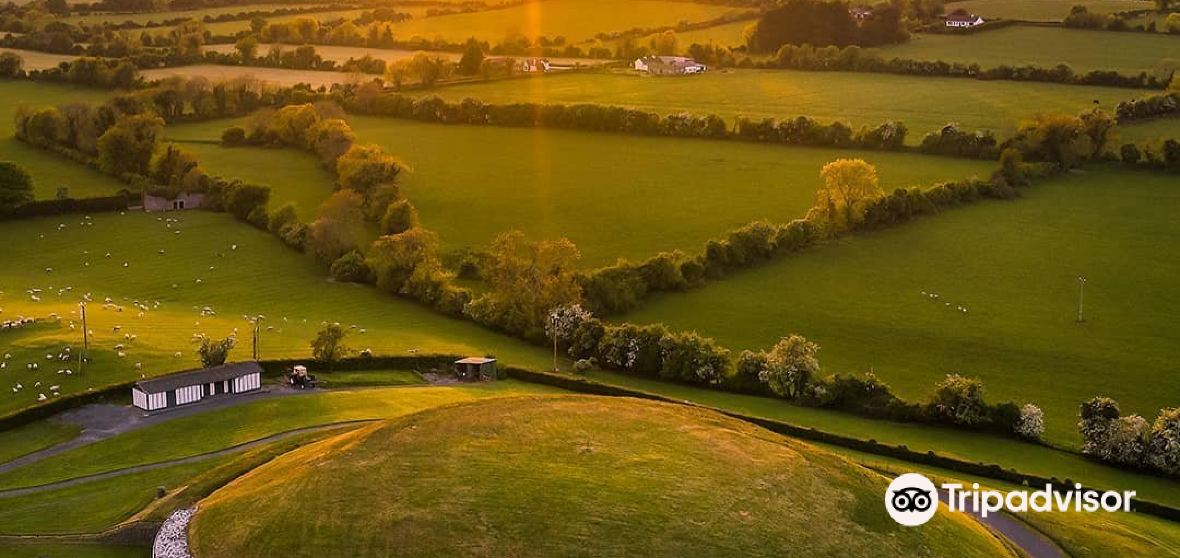 Mount FortuneMountain / peak · 1.6 mi
 Memorial CrossMemorial · 1.8 mi
 Fennor LowerMountain / peak · 2.1 mi
 Mullaghmeen ForestPicnic place · 3.0 mi
 C11Named rock · 3.5 mi