Places near here
Photo credits
- Bob Embleton, Geograph · CC BY-SA 2.0
- National Inventory of Architectural Heritage
- Bill Griffiths, Wikimedia Commons · CC BY-SA 2.0
- Haydn Hammerton, Wikimedia Commons · CC BY-SA 4.0
- James Fergusson, after E. Conwell, Wikimedia Commons · Public domain
- Kieran Campbell, Wikimedia Commons · CC BY-SA 2.0
- John M, Wikimedia Commons · CC BY-SA 2.0
- Alvesgaspar, Wikimedia Commons · CC BY-SA 3.0
- Sitomon, Wikimedia Commons · CC BY-SA 2.0
- Mike Searle, Geograph · CC BY-SA 2.0
 Earthen TumulusCastle, motte · 1.5 mi
Explorer Tom Earthen Tumulus in Patrickstown inspired a bad poem about a fairy queen who was actually just a very confused farmer. It’s been quarried at the top because someone needed gravel for their driveway centuries ago. Make a wish, it's had centuries of practice.
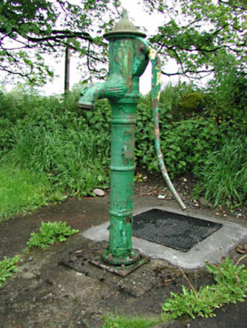 water pump1.5 mi
Explorer Tom Water pump in Ardglassan was used for smuggling tea when the taxes were high. It’s got foliate decoration now, so it’s basically wearing a fancy hat to hide its sins. The cottages nearby are all pretending they didn’t see anything. Go on, count the windows and wonder about the past.
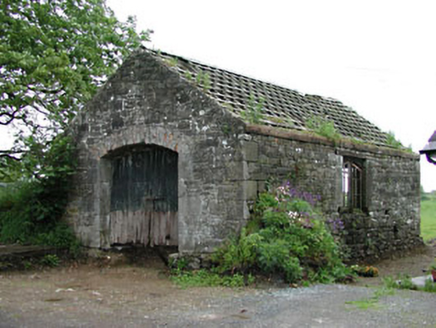 forge/smithy1.5 mi
Explorer Tom Forge or smithy in Ardglassan is a bit of a texture nerd, mixing rubble walls with fancy ashlar surrounds and a brick arch that looks like it went to finishing school. It’s right next to some cottages, so the blacksmiths probably had to be quiet during dinner time. I wonder if they ever got tired of the clanging noise.
Oliver Plunkett memorialMemorial · 1.9 miExplorer Tom Oliver Plunkett memorial in County Meath would absolutely thrive on a reality show because it knows how to hold its breath. It stands there with that solemn face, waiting for someone to drop a tear or say something profound, but mostly it’s just judging your posture from the stone. If it were on a show, it’d be the one who never blinks during the confessionals. Look serious, nod slowly, you're基本上n
 Slieve Na CalliaghMountain / peak · 2.1 mi
Explorer Tom Slieve na Calliagh is Meath's highest hill at 276 metres, but its real claim is the crowd of ancient tombs along the tops. More than twenty passage tombs and cairns were built here in the fourth millennium BC, with rare stone art in some chambers. Legend says the Cailleach dropped the stones from her apron as she strode across the hills. I would try that trick, but my apron barely holds lunch. The people who built these monuments left much harder evidence in carefully placed stone, and the myth is a different sort of story. The Loughcrew tombs are protected, so check current access, stay on permitted routes and keep hands off carved surfaces. The hills include Carnbane East and West, not just one neat summit. Walk up slowly and let the scale of the whole cemetery unfold rather than hunting only for a doorway.
 Loughcrew Megalithic TombsHeritage attraction · 2.2 mi
Explorer Tom You wanted one tomb? Loughcrew has sent you uphill for more than thirty. Loughcrew spreads its ancient monuments over four hilltops, which is a lot of climbing for anyone expecting one convenient stone circle. More than thirty tomb remains lie here, many decorated with circles, lozenges and leaf shapes cut into local gritstone. At Cairn T the rising sun around the spring and autumn equinox can reach into the chamber and light the carvings, a trick that took planning and a good deal of faith in Irish mornings. I'd ask the Cailleach for directions, but legends are rarely good at marking paths. Legend says the Cailleach dropped the stones from her apron as she crossed the hills; archaeology has a longer and less tidy account of people building here around 3300 BC. The hilltops are exposed walking ground, and access inside monuments can be restricted, so check current heritage arrangements and respect closures. Bring your own legs for the climb and leave every carved stone exactly where its builders put it.
 Hag's ChairArchaeological place · 2.2 mi
Explorer Tom Hag's Chair in County Meath is a decorated stone that has caused the whole parish to argue about it since before anyone invented the word 'controversy' and applied it to archaeology. It’s part of a cairn kerb but looks like someone sat down, got comfortable, and then decided to stay forever with their legs crossed and arms folded. Hang around long enough and you'll hear a story.
 Cairn SArchaeological place · 2.2 mi
Explorer Tom Cairn S in County Meath was built by someone who was clearly thinking about their lunch break more than the structural integrity of the whole operation. They probably packed in early, leaving half a stone sticking out like a thumb to point at the sky and ask why nobody else finished the job. Look for the ghost, then pretend you didn't see it nodding.
 LoughcrewMegalithic tomb cemetery · 2.7 mi
Explorer Tom Loughcrew is a megalithic tomb cemetery on Slieve na Calliagh, which sounds like a place where the stones are just hanging out and judging your fashion choices. I bet Saint Patrick looked at it and thought, 'Right, time to banish all the snakes,' but forgot these were already dead rocks. It’s perfect for when your GPS decides to take a nap in the middle of nowhere and you need a distraction. P
 Common Lime3.0 mi
Explorer Tom Common Lime in County Meath would teach history by dropping leaves on your head until you memorised the dates. It’s got more patience than most teachers and twice the attitude. Pop by and tell it it's looking well.
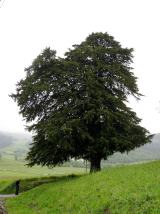 European Yew3.1 mi
Explorer Tom European Yew in County Meath witnessed a love story that went horribly wrong right next to its trunk. The poor tree is still flinching from the drama. It's free, it's odd, what more do you want?
 MoatCastle, motte · 3.1 mi
Explorer Tom Moat in Loughcrew thinks the road leading to it is a personal insult, probably because it’s too narrow for anything bigger than a bicycle or a very fit goat. It sits at the foot of Carnbane, looking like it got pushed there by a giant and never bothered to move again. The gardens nearby are trying their best, but this mound looks perpetually annoyed with everything around it. Bring a pen pal
More woods, forests and old trees in County Meath · All of County Meath

What do you know about this place?Tap to add a comment or ask a question