
What is recorded here
Freestanding single-bay lime kiln on rectangular-plan, erected c. 1820. Tapers outwards towards base. Now out of use. Constructed of coursed rubble stone masonry. Square-headed opening to front (south), the former oven aperture. Former loading chamber to the top having rubble masonry construction. Built into hillside…
Read the whole record
From the Buildings of Ireland (National Inventory of Architectural Heritage) record 40907070
Places near here
Photo credits
- Maker not stated on source page, www.worldhistory.org
- National Inventory of Architectural Heritage
- Mark Doherty, Wikimedia Commons · CC BY-SA 4.0
- Maker not stated on source page, www.flickr.com
- Kenneth Allen, Geograph · CC BY-SA 2.0
- Maker not stated on source page, www.blurb.ca
- Maker not stated on source page, tr.pinterest.com
- Maker not stated on source page, www.dreamstime.com
- Maker not stated on source page, en.wikipedia.org
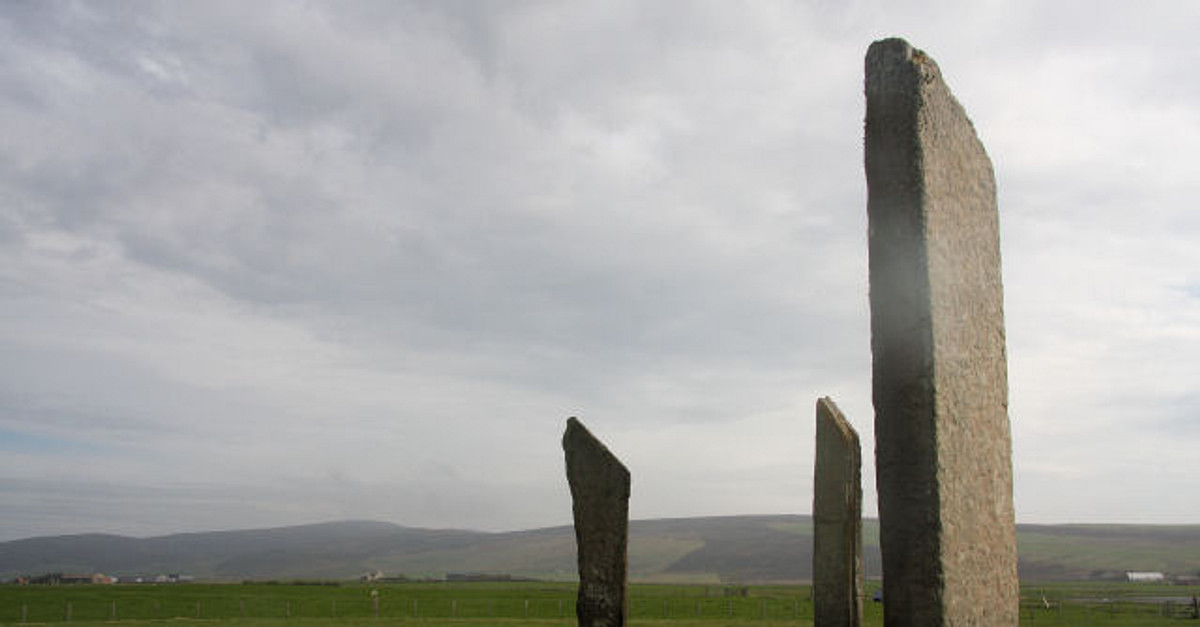 Standing stone in Tops DemesneStanding stone · 257 yd
Explorer Tom Standing stone in Tops Demesne measures exactly 1.55m high × 1m wide × 0.86m thick. Why stop at “big”? I love that…
 Drumineney HouseHouse · 496 yd
Explorer Tom Drumineney House would win a county fair prize for 'Most Elegant House That Hasn't Moved Since 1850' without breaking a…
 Beltany Stone CircleStone circle · 607 yd
Explorer Tom Sixty-four stones and a hilltop view, and Beltany still won't tell me what the mound in the middle used to be. A…
 Standing stone in TopsStanding stone · 649 yd
Explorer Tom Standing stone in Tops is supposedly there to determine astronomical alignments. I can’t help but picture ancient…
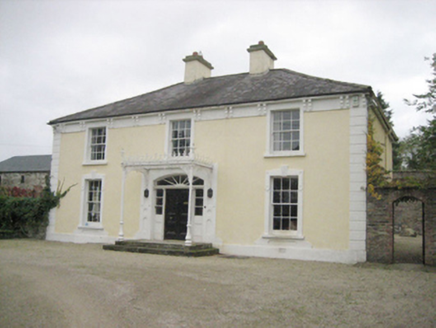 TopsHouse · 992 yd
Explorer Tom Tops in Donegal is a handsome house that seems to be having a serious falling out with its own chimney. It’s got all…
 Standing stone in BeltanyStanding stone · 1000 yd
Explorer Tom Standing stone in Beltany has vanished so thoroughly it’s basically a ghost with commitment issues and a very bad…
 outbuilding1067 yd
Explorer Tom Outbuilding in Tops has been sitting quietly in the corner, collecting secrets and probably a few stray socks along the…
 Standing stone in Figart (figart Ed)Standing stone · 1270 yd
Explorer Tom Standing stone in Figart is nearly a metre wide, which makes it look like a chunky brick that forgot to grow taller.…
 Fairy fort / earthen ringfort in Figart (figart Ed)Fairy fort / earthen ringfort · 1282 yd
Explorer Tom Fairy fort / earthen ringfort in Figart is a subcircular patch of earth that’s been ploughed into submission. The bank…
 Standing stone in Cúl An Doire (tc Ráth Bhoth)Standing stone · 1444 yd
Explorer Tom Standing stone in Cúl An Doire sits on a level ridge that dips toward a stream. It’s only about 1.1m high, so it looks…
 bridge1467 yd
Explorer Tom Bridge in Beltany has three arches across the Deele River and V-shaped cutwaters on its piers. Built around 1790, it…
 Standing stone in TullyvinnyStanding stone · 1496 yd
Explorer Tom Standing stone in Tullyvinny is officially gone, leaving no visible remains on this east-facing slope in good land.…
More historic places in County Donegal · All of County Donegal

What do you know about this place?Tap to add a comment or ask a question