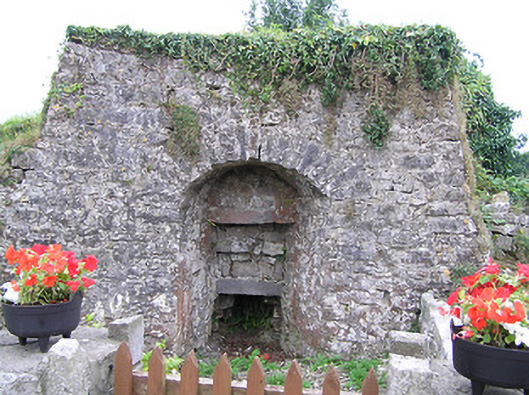
What is recorded here
Freestanding single-bay lime kiln, built c. 1820, on a square-plan and tapers to top. Now out of use. Constructed of coursed limestone rubble. Segmental-headed arch to front (south), the former oven aperture, with dressed limestone voussoirs and cut stone lintel. Former loading bay to top of kiln, now overgrown. Earth…
Read the whole record
From the Buildings of Ireland (National Inventory of Architectural Heritage) record 13307024
Places near here
Photo credits
- National Inventory of Architectural Heritage
- Royalcanalrunner, Wikimedia Commons · CC BY-SA 4.0
- JP, Geograph · CC BY-SA 2.0
- Maker not stated on source page, stuffnobodycaresabout.com
- Maker not stated on source page, www.insidewiltshire.co.uk
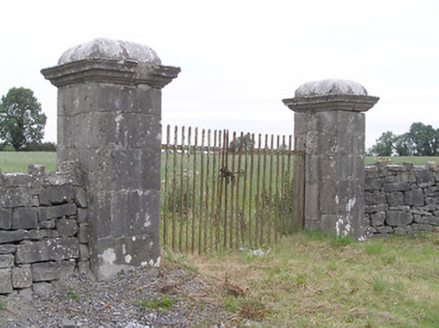 gates/railings/walls163 yd
Explorer Tom Gates in Aghnagore are arguing with the wind about who’s taller. The piers look fancy, like a country gentleman got…
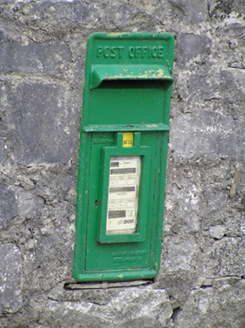 post box350 yd
Explorer Tom Post box in Glebe is proud of its family tree, which consists mostly of Scottish foundry workers and one very confused…
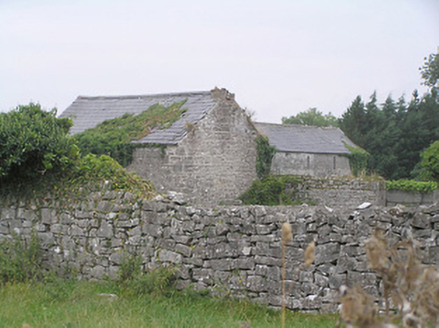 SpringfieldFarmyard complex · 365 yd
Explorer Tom Springfield farmyard complex in Clogher And Rinn has stone piers that judge your posture from afar. A nosey neighbour…
 office415 yd
Explorer Tom Office in Glebe is angry at the wind for keeping picking on its chimney because it thinks the building is trying to…
 Richmond BridgeBridge · 437 yd
Explorer Tom Richmond Bridge in Glebe is so solidly built that Saint Patrick would have said, 'Finally, something that doesn't need…
 Richmond HarbourHarbour/dock/port · 452 yd
Explorer Tom Richmond Harbour is telling its younger self to stop worrying about the boats that never came. It’s just a pretty…
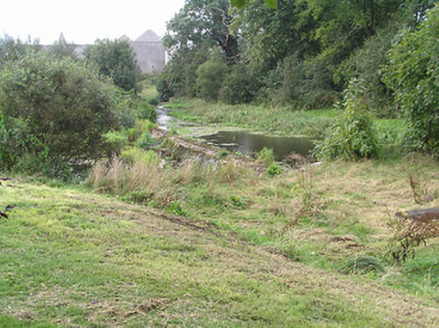 weir506 yd
Explorer Tom Weir in Glebe was built by a matchmaker who knew exactly how to get two sides talking. The water flows over it with…
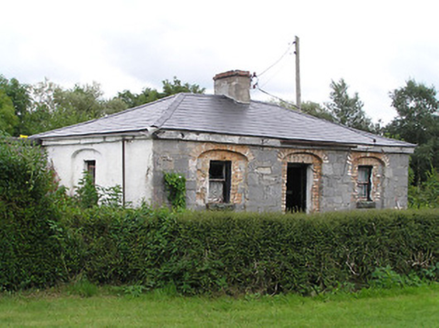 46th LockLock keeper's house · 510 yd
Explorer Tom 46th Lock in Glebe nearly got famous when a famous singer said they saw it, but they were actually drunk. It’s…
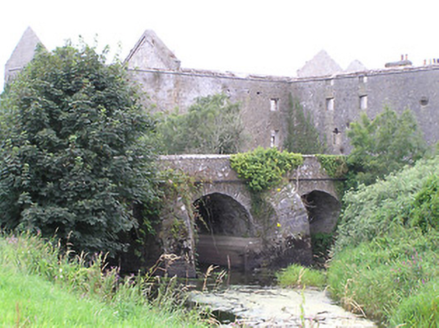 bridge540 yd
Explorer Tom Bridge in Cloondara has a very strong opinion about the local sheep, who it believes are deliberately trying to test…
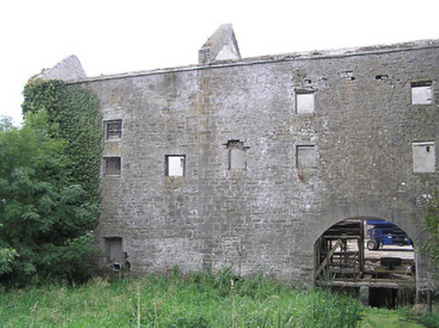 Richmond MillMill (water) · 567 yd
Explorer Tom Richmond Mill in Cloondara is a former corn mill that still smells of old grain. The postman probably thinks it’s a…
 Clondra GraveyardGraveyard · 646 yd
Explorer Tom Clondra Graveyard has a secret talent for making your phone battery drain at an alarming rate, which is either magic or…
 CastleCastle, unclassified · 1656 yd
Explorer Tom Castle in Cloondara is hiding in the reeds like it’s shy. Lewis said there was a dance that went on so long the moon…
More historic places in County Longford · All of County Longford

What do you know about this place?Tap to add a comment or ask a question