
Places near here
Photo credits
- National Inventory of Architectural Heritage
- Malene Thyssen, Wikimedia Commons · CC BY-SA 3.0
- Heikki.vesanto, Wikimedia Commons · CC BY-SA 4.0
- Richard Webb, Geograph · CC BY-SA 2.0
- Kenneth Allen, Wikimedia Commons · CC BY-SA 2.0
- Kenneth Allen, Geograph · CC BY-SA 2.0
- louise price, Geograph · CC BY-SA 2.0
- DevelopedMadness at English Wikipedia, Wikimedia Commons · Public domain
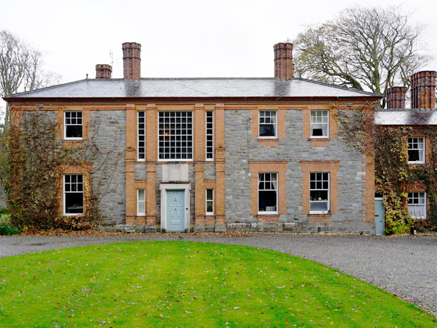 Claragh HouseCountry house · 544 yd
Explorer Tom Claragh House has red brick chimneys that look ready to gossip. The Watt family was at Claragh by 1725, but James Watt likely built this particular house around 1890. I wish those chimneys could tell me which Watt started which story.
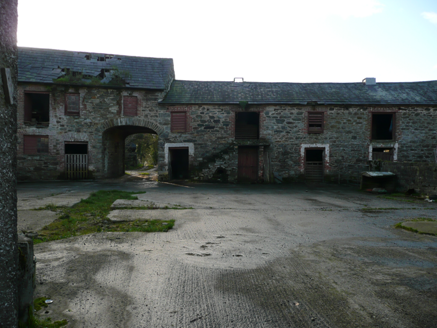 farmyard complex1151 yd
Explorer Tom Farmyard complex in Carnisk in County Donegal is an 1860s setup with red brick details and stone steps. It’s got timber sash windows that add some class to the farming life. Probably smells like fresh hay and good gossip.
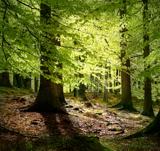 European Beech1.1 mi
Explorer Tom European Beech in County Donegal is just a tree, but make it sound important or people will think you’re wasting time. It’s probably plotting something against the squirrels or the weather. Ten minutes here and you'll have a yarn for the pub, claim you spoke to its roots.
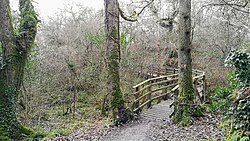 Ballyarr Nature ReserveNational nature reserve · 1.2 mi
Explorer Tom Ballyarr Nature Reserve holds a surviving sliver of Donegal’s ancient oak forest. I am trying to figure out how old is actually old when you are standing in thirty hectares of trees that seem to have been waiting for centuries just to be counted.
 Carrs Of The DiamondPub · 1.3 mi
Explorer Tom Carrs Of The Diamond sounds like a pub built on a rock that might roll away at any moment. Sit on the edge and enjoy the wobble while you watch the locals pretend they know what's happening. Toast it with a cup of tea and move on to the next.
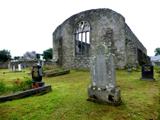 Tullyaughnish Old Church GraveyardGraveyard · 1.5 mi
Explorer Tom Tullyaughnish Old Church Graveyard has been hanging around since 1622, which is basically forever in church years. Sir William Stewart built it, so the locals were definitely keeping up with the trends back then. I bet the ghosts are still complaining about the new church. Take a pic of the old stones!
 O'Shaughnessy's BarPub · 1.6 mi
Explorer Tom O'Shaughnessy's Bar in Ramelton is open late, so grab a pint and keep me company while I get lost. It’s getting dark out here, and I can’t find my way back. Go with someone who loves old stuff and watch them melt.
 Aghawoney Standing StonesPublicly named standing stone · 2.9 mi
Explorer Tom Aghawoney Standing Stones is a publicly named site in County Donegal. I bet it’s the sort of place where you’d feel a chill, even on a sunny day. It’s a marker of ancient presence that still commands respect.
 Battle of FarsetmoreBattle · 4.7 mi
Explorer Tom Battle of Farsetmore in County Donegal is where Hugh O'Donnell kicked Shane O'Neill's backside into the River Swilly. Rumour has it a local goat watched from a cliff, heartbroken her mate picked a fight instead of romance. Give it a pat on the way past, it's had a long life.
Battlefield in Ballyboe Lisenan,ballyraine,farsetmore,gortlee,kiltoy,magheranan,glebe (castlewray Ed)Battlefield · 4.7 miExplorer Tom Battlefield in Ballyboe Lisenan in County Donegal is another patch of land where things went sideways centuries ago. Now it’s just a quiet field with a lot to say if you listen. Linger, it's not going anywhere and neither should you.
 Glenalla Standing StoneStanding stone · 5.2 mi
Explorer Tom Glenalla Standing Stone is a 1.4m high monolith with a base width of 1.2m, sitting on the northwest edge of some high ground in rough pasture. It’s quite the sturdy fellow for such a remote spot, standing proud despite its modest dimensions. I reckon it’s been keeping watch over that hillside long enough to have seen every cloud that ever drifted past.
 Donegal County MuseumMuseum · 5.4 mi
Explorer Tom Donegal County Museum tells a long story inside a building that has one of its own: part of Letterkenny's former workhouse. I would give the old stone walls their due, then follow the county displays from prehistory onward. One building can hold far more than one century.
More historic places in County Donegal · All of County Donegal

What do you know about this place?Tap to add a comment or ask a question