
What is recorded here
Detached multiple-bay three-storey former hospital, built c. 1825, refurbished c. 1860, located on Hampstead Estate. Square-plan with lower linear wing (refurbished c. 1988) to northwest (rear) and side (southwest); full-height canted-bay to southwest, projecting single-storey porch canopy to side (southwest), and recent porch to front (southeast). M-profile pitched slate roof with red brick chimneystacks, plain timber bargeboards, ogee-profile cast-iron rainwater goods on cavetto-moulded stucco eaves with stringcourse. Painted roughcast rendered walling over contrasting smooth rendered plinth. Square-headed window openings; those to front having moulded stucco architraves, with entablatures to upper floor windows; otherwise patent reveals and replacement uPVC windows. Square-headed doorways, that to front contained within recent porch; original margin-paned half-glazed panelled timber door to southeast, beneath rosemary-tiled lean-to canopy on stop-end chamfered timber framework. Set in mature garden enclosed by rubble limestone walls. Single-storey former milking parlour to south, with hipped slate roof, lime rendered walling and timber-sheeted doors. Original water pump to site.
The building first appears on the first edition OS map of about 1843, captioned 'Hampstead House (Lunatic Asylum)'. Although map evidence suggests earlier origins, the building has a mid-nineteenth-century appearance, presumably from a period of Victorian refurbishment, and was again refurbished in the 1980s. The building is enhanced by the survival of the original secure garden in which it is set, as well as an original outbuilding, and makes a strong contribution to the architectural heritage and historical development of the Hampstead estate. It is the first of several buildings constructed by the Eustace family on the Hampstead Estate, which evolved throughout the nineteenth and twentieth centuries to provide advanced and humane care and treatment for people suffering from mental illnesses. John Eustace (1791-1867), a Quaker, was the first in a line of psychiatric doctors and, based on the ideas of Quaker superintendent Dr Daniel Hake-Tuke, evolved a 'moral treatment' for people suffering from mental illness. In 1825, he entered into a partnership to establish a facility at Hampstead, to be named 'The Asylum and House of Recovery for Persons affected with Disorders of the Mind'.
From the Buildings of Ireland (National Inventory of Architectural Heritage) record 50130130
This does not grant access. Most recorded buildings are privately owned; view them only from public ground unless the owner allows entry.
Places near here
Photo credits
- National Inventory of Architectural Heritage
- sarah gallagher, Wikimedia Commons · CC BY-SA 2.0
- Maker named on the Wikimedia Commons picture page · Public domain
- Maker named on the Wikimedia Commons picture page · CC BY-SA 3.0
- William Murphy from Dublin, Ireland, Wikimedia Commons · CC BY-SA 2.0
- Gareth James, Geograph · CC BY-SA 2.0
Hampstead CastleCastle, unclassified · 80 yd Albert CottagesHouse · 142 ydElmhurstGate lodge · 178 ydIndicatedMound · 809 ydGraveyard in Unknown TownlandGraveyard · 854 ydKilling of David ByrneMurder · 1111 ydBaldcypress1338 ydDawn Redwood1362 ydNational Botanic GardensHeritage attraction · 1513 ydGlasnevin cemetery Ireland's necropolisVisitor information · 1716 ydGlasnevin CemeteryHistoric cemetery · 1.0 miMichael CollinsMemorial · 1.1 mi
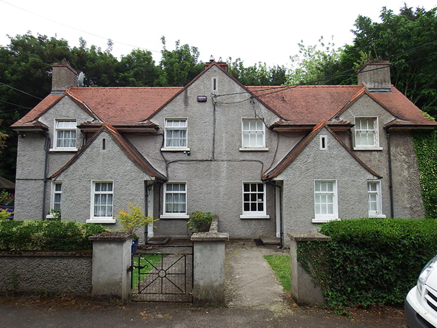 Albert CottagesHouse · 142 yd
 ElmhurstGate lodge · 178 ydIndicatedMound · 809 ydGraveyard in Unknown TownlandGraveyard · 854 yd
 Killing of David ByrneMurder · 1111 yd
 Baldcypress1338 yd
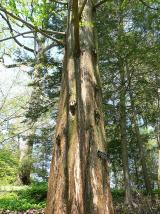 Dawn Redwood1362 yd
 National Botanic GardensHeritage attraction · 1513 yd
 Glasnevin cemetery Ireland's necropolisVisitor information · 1716 yd
 Glasnevin CemeteryHistoric cemetery · 1.0 mi
 Michael CollinsMemorial · 1.1 mi
More historic places in County Dublin · All of County Dublin
What do you know about this place?