
Places near here
Photo credits
- Mike Searle, Wikimedia Commons · CC BY-SA 2.0
- National Inventory of Architectural Heritage
- Niallio77, Wikimedia Commons · CC BY-SA 3.0
- Oliver Dixon, Geograph · CC BY-SA 2.0
- Willow, Wikimedia Commons · CC BY 2.5
- Colin Park, Geograph · CC BY-SA 2.0
- Pampuco, Wikimedia Commons · CC BY-SA 4.0
- Stephen Armstrong, Wikimedia Commons · CC BY-SA 2.0
- Colin Park, Geograph · Creative Commons Attribution-ShareAlike 2.0
- Oliver Gargan, Wikimedia Commons · CC BY-SA 4.0
- Maelor at English Wikipedia, Wikimedia Commons · Public domain
 BawnmoyleRuins · 1093 yd
Explorer Tom Bawnmoyle would absolutely have 'Lived Hard, Died Quiet' etched on its tombstone if it had one to show off with. It’s just vibing there, judging everyone who walks past without a second thought. A proper spot for a flask of tea and a big think.
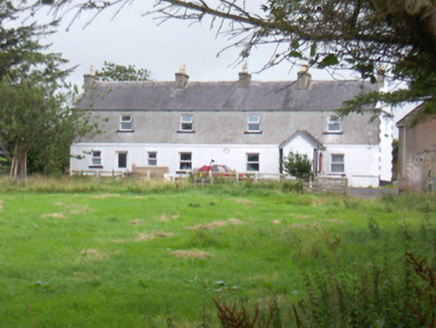 Derk HouseOfficially recorded historic building · 1371 yd
Explorer Tom Derk House is merging into the trees so well it could be the next big hit on a reality show about invisible homes. It’s got that superb location where the building and nature are basically sharing a bed and not arguing about it. Just watch out for branches if you lean in too close to get a shot!
 CulleenamoreBeach / strand · 2.4 mi
Explorer Tom Cullenamore would survive a zombie apocalypse purely because nobody knows where it is, so the undead just get lost in the sand. It's got that quiet confidence about it, like it's waiting for someone to finally notice its brilliance. Wave at the cows, they're the real locals.
 Strandhill BeachBeach / strand · 2.7 mi
Explorer Tom Strandhill Beach is currently in a massive feud with the rain, claiming it’s the real king of the coast. The dunes are just standing there judging both sides like tired grandparents. Tell the next person you meet it's haunted. It might be.
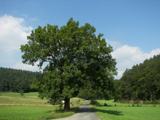 European ash2.8 mi
Explorer Tom European ash in County Sligo handles nosey neighbours by simply dropping a leaf directly on their heads every single time they look up. It’s a small act of defiance, but effective. Tell the kids it's a castle. Close enough.
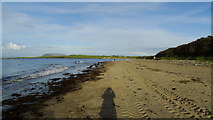 Dunmoran StrandBeach / strand · 2.8 mi
Explorer Tom Dunmoran Strand bragged about surviving a storm that flattened houses but left this place looking merely annoyed. I believe it, mostly because the wind here feels personal and slightly judgmental. Go before the tourists find out.
 Sligo BayBay · 3.4 mi
Explorer Tom Sligo Bay refuses to be one simple scoop of water, and I am glad, because one view would be too easy. It runs between Aughris Head and Roskeeragh Point. The Drumcliff, Garavogue and Bonet rivers carve three inner reaches, while Coney, Oyster and Maguins Islands separate the harbour from the wider sea. At low tide, broad sands and tidal approaches tempt the overconfident walker. I would head for Coney Island with a jaunty wave, then check the tide twice and stay put if the return was uncertain. Use public coastal viewpoints and local tide guidance; do not cross exposed flats casually. Look for the three island shapes from shore. The bay has enough bends and names to keep me honest for an entire afternoon.
 Killaspugbrone GraveyardRuins · 3.4 mi
Explorer Tom Killaspugbrone Graveyard in County Sligo has very strong opinions on modern buildings and thinks they all look like they fell over from a bad haircut. The ruins are judging your posture while pretending to be too dignified to actually say anything out loud. Get there early and have it all to yourself.
 Graveyard in KillaspugbroneGraveyard · 3.5 mi
Explorer Tom Graveyard in Killaspugbrone is sitting on sand dunes above Sligo Bay, looking like it’s about to win first prize at the county fair. It’s oval, walled, and packed with gravestones from centuries past, all pretending to be serious. The ground rises up to a medieval church, which adds a nice dramatic flair. Look for the ghost, then pretend you didn't.
 Maeve's CairnArchaeological place · 3.8 mi
Explorer Tom Maeve's Cairn is a huge stone mound on Knocknarea, and I promise not to offer my usual "let's climb the top" advice. It is about fifty-five metres wide and ten metres high, probably built around 3000 BC. Archaeologists think it may cover a passage tomb, though its inside has not been opened for a neat answer. The name links it to Queen Maeve of story, who arrived long after the builders in the telling. I would invent a dramatic burial scene, but the date and the protected stones deserve better. Reach the summit by a lawful path, then stay off the cairn itself and leave every stone in place; damage from visitors is already serious. Look at its breadth against the Sligo skyline. You do not need to stand on a monument to feel its scale.
 Miosgan MevaPassage tomb · 3.8 mi
Explorer Tom Miosgan Meva is the big brother on Knocknarea, sitting there like a giant stone bread loaf that nobody wants to eat. Its plan for retirement is to sit exactly where it is and let tourists trip over themselves trying to take photos. It’s got a flat top that looks like it was made for sunbathing by ancient kings. Bring the dog, it'll have opinions.
 KnocknareaMountain / peak · 3.8 mi
Explorer Tom Knocknarea wears a stone crown, and I am not asking to borrow it. Knocknarea rises 327 metres over the Coolera Peninsula and carries a huge stone cairn on its head like a crown it refuses to take off. The summit heap is about 55 metres across and ten metres high, yet archaeologists have not excavated it. It is traditionally called Queen Maeve's Cairn, though the queen belongs to myth and nobody can name a person buried inside. The structure looks like a Neolithic passage tomb, roughly of the era when other ancient monuments spread through this Sligo landscape. I have grand claims about knowing Maeve; the cairn can outlast every one of them. From up here you can look towards Carrowmore and the Atlantic, connecting places that may have mattered to the same communities. The hill is a public walking destination with a climb and exposed weather; follow the marked route and do not climb on or move stones from the protected cairn. Maeve has enough stories already without your boots rearranging her roof.

What do you know about this place?Tap to add a comment or ask a question