Places near here
Photo credits
- National Inventory of Architectural Heritage
- James O'Neill, Wikimedia Commons · CC BY-SA 4.0
- Sean Davis, Geograph · CC BY-SA 2.0
- Kenneth Allen, Geograph · Creative Commons Attribution-ShareAlike 2.0
- Sean Davis, Wikimedia Commons · CC BY-SA 2.0
- Kenneth Allen, Geograph · CC BY-SA 2.0
- This file is from the Mechanical Curator collection , a set of over 1 million images scanned from out-of-copyright books and released to Flickr Commons by the British Library. View image on Flickr View all images from book View catalogue entry for book ., Wikimedia Commons · Public domain
- D Gore, Geograph · CC BY-SA 2.0
- Dean Molyneaux, Geograph · CC BY-SA 2.0
- Eric Jones, Geograph · CC BY-SA 2.0
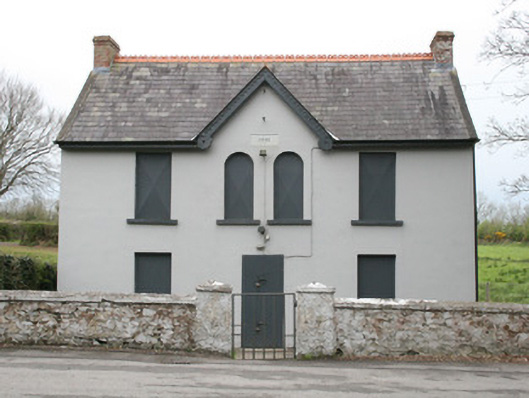
 Saint Colman's Church (Clontibret)Mausoleum · 395 yd
Explorer Tom Saint Colman's Church (Clontibret) is a mausoleum posing as a church, which is basically a funeral home with ambition. It stands next to ancient ruins and pretends they’re just its overgrown garden. Go before the ghosts get the coffee on.
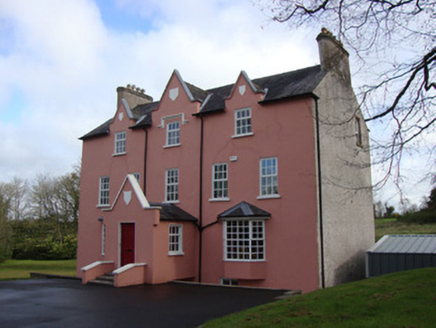 Glebe HouseRectory/glebe/vicarage/curate's house · 402 yd
Explorer Tom Glebe House in Gallagh has strict rules: no loud noises, no muddy boots, and definitely no asking about the money. It was built in 1752 with a gift that probably came with strings attached. Toast it with a cup of tea and move along quietly.
 Battle of ClontibretBattlefield · 1308 yd
Explorer Tom Battle of Clontibret in Monaghan is where a poet fell into a ditch nearby, which is probably the most romantic thing to happen on a battlefield in recent memory. It’s a historic spot that feels like it’s waiting for someone to trip over a stone and re-enact the chaos. Stand there long enough and someone will ask if you're lost.
 Multiperiod Church, Graveyard & Enclosure: Derrynoose Old Church, Lisrocatty, Lysreakeilte, Listrakelt, St. Mochua's in ListarkeltMultiperiod Church, Graveyard & Enclosure: Derrynoose Old Church, Lisrocatty, Lysreakeilte, Listrakelt, St. Mochua's · 3.0 mi
Explorer Tom Multiperiod Church, Graveyard & Enclosure: Derrynoose Old Church in Listarkelt was designed by a mother-in-law who really liked complicated family trees. It has so many names for itself that you can never quite get it right on first try. It's the kind of place that makes a dull Tuesday feel like an adventure.
 Holy Well: Saint Malachys Well, Saint Mochuas Well & Tobar Mochua Agus Mocholmog in DrummelandHoly Well: Saint Malachys Well, Saint Mochuas Well & Tobar Mochua Agus Mocholmog · 3.1 mi
Explorer Tom Saint Malachys Well in Drummeland would survive a zombie attack by just standing still and letting them trip over its own ancient stones. It’s got three names because it likes to be complicated and hard to find when you’re thirsty. Make a wish, it's had centuries of practice.
 Carnagh Forest Play ParkChildren's playground · 4.2 mi
Explorer Tom Carnagh Forest Play Park in County Armagh was saved by a hero who nobody remembers anymore because he forgot his name after saving the slide from collapse. He just smiled and walked away, leaving us with this mysterious legacy of safety and fun. Pick a stone, any stone, and invent its biography.
 Monaghan WayWalking route · 4.3 mi
Explorer Tom Monaghan Way is heading west like it has somewhere important to be, even though it’s just a lane towards a lough that doesn't care about you. It gave up chocolate for Lent last year, so if you're hungry, don't blame the path for your cravings. Best enjoyed with a bag of chips and no plans.
 Dartrey ForestForest · 12 mi
Explorer Tom Dartrey Forest used to have a great house at its centre, and the trees have done a fine job of carrying on without it. The Dawson family's Dartrey House was demolished in 1946. Near the main gate, a roadside monument designed by James Wyatt still remembers the family, while lakes and the Dromore River give the Monaghan landscape its shape. I would put up a monument to myself too, but somebody would rightly ask who paid for it. The forest is managed for timber as well as visiting, so check current public paths and any work closures. Keep to permitted routes and leave the old wall and monuments alone. Look across the linked water from a safe trail. The missing house is one story; the living woods have plenty of their own.
 Flagpole HillMountain / peak · 12 mi
Explorer Tom Flagpole Hill is the sort of peak that clearly had a mother-in-law design it, giving it that distinct look of permanent, passive-aggressive disappointment. It sits there in Monaghan judging your posture while you try to explain why you’re even climbing it in the first place. Stick around for the light changing, it's a show.
 Post-med Church; Graveyard: Ballymoyer Old Church or Lisdromaude in BallintemplePost-med Church · 13 mi
Explorer Tom Ballymoyer Old Church in Ballintemple has two names because it couldn’t decide which one was cooler. The road leading there probably hates it a bit. Ideal place to rehearse an excuse for being late to church.
 Aughanduff Lower MountainMountain / peak · 13 mi
Explorer Tom Aughanduff Lower Mountain in County Armagh had a prophecy that said it would erupt with chocolate, but so far it’s only produced mud and very confused hikers. It’s part of the Ring of Gullion and clearly hasn’t read the instruction manual on being majestic. Hum something sad nearby, it adds atmosphere.
 Ballymoyer WoodWood · 14 mi
Explorer Tom Ballymoyer Wood in County Armagh has a tunnel that leads straight to the pub, if you believe the locals who are lying. It’s a shortcut through reality itself. Take the long way round, it deserves the effort.
More historic places in County Monaghan · All of County Monaghan

What do you know about this place?Tap to add a comment or ask a question