What is recorded here
On the N side of a low rise c. 200m E of the River Dinin. A short cist (L 1m; Wth 0.5m), trapezoidal in plan and containing unburnt disarticulated human bones was found in 1992 during the digging of a trench to lay a cable. It was wider at the E end and consisted of four side-stones set on edge, leaning inwards and a series of packing-stones of varying sizes placed horizontally over the tops of the side-stones. The covering stone was a large triangular slab resting on these packing-stones. The floor of the cist consisted of very fine grey sandy gravel and the bones lay directly on this. The cist contained no pottery or other finds but it is assumed to be of early Bronze Age date based on its form. (Cahill and Sikora 2011, vol. 1, 232-5)
Compiled by: Mary Tunney
Date of upload: 28 January 2013
A Neolithic cist tomb, dating to the 4th–3rd millennium BCE, used for secondary burial; its presence indicates early human settlement and funerary practices in the region.
The monument record does not grant public access. Check the route and ask the landowner before entering private land.
- What survives
- Recorded monument
Places near here
 Ardra LoopWalking route · 385 yd
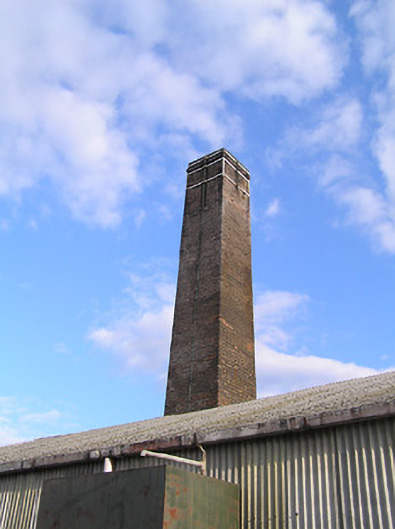 Ormonde Brickchimney · 1062 yd
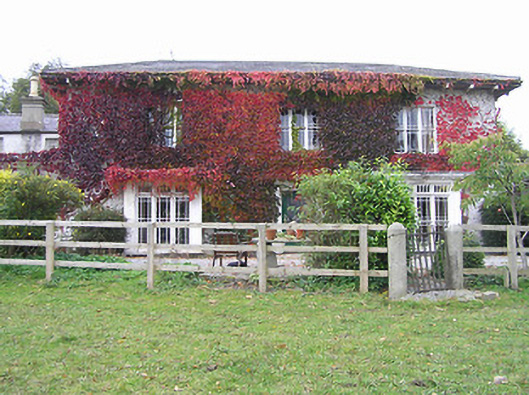 The Cottagehouse · 1111 yd
 Castlecomer Discovery ParkHeritage attraction · 1179 yd
 Footprints In CoalMuseum · 1223 yd
 Estate YardMemorial · 1248 yd
 The GarrisonCastle, motte · 1370 yd
 1798Memorial · 1383 yd
 Holy WellHoly well · 1383 yd
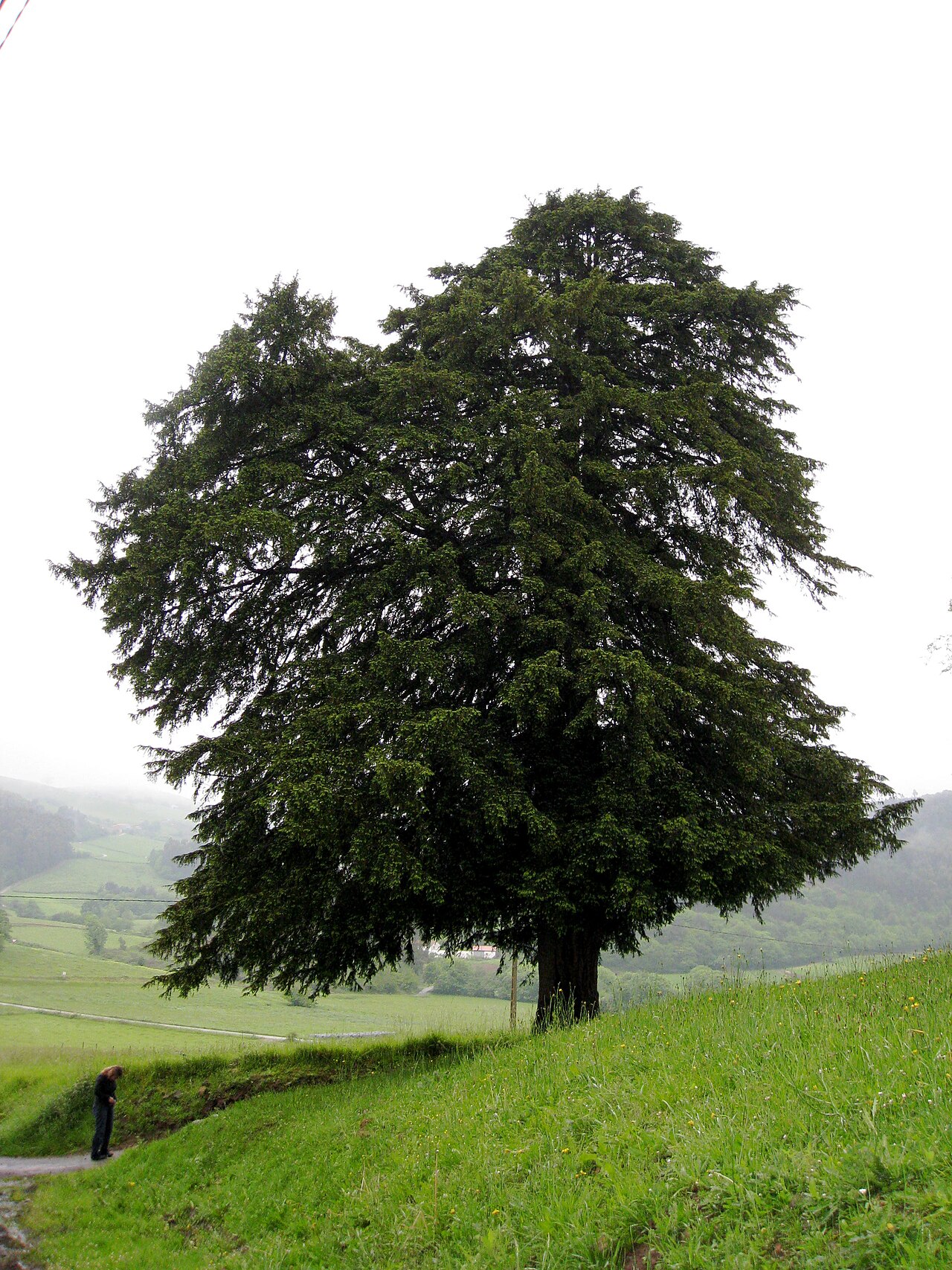 European YewEuropean Yew · 1531 yd
 EnclosureEnclosure, large enclosure · 1.3 mi
 Sawney's WoodForest · 1.4 mi