
Places near here
Photo credits
- National Inventory of Architectural Heritage
- Mike Searle, Geograph · CC BY-SA 2.0
- A.-K. D., Wikimedia Commons · CC0
- A.-K. D., Wikimedia Commons · CC BY-SA 4.0
- Sarah777 at en.wikipedia, Wikimedia Commons · Public domain
- kevin higgins, Geograph · CC BY-SA 2.0
- Miguel Angel Masegosa Martínez, Wikimedia Commons · CC BY 2.0
- Willow, Wikimedia Commons · CC BY 2.5
 rectory/glebe/vicarage/curate's house1531 yd
Explorer Tom Rectory in Balief Upper caused the whole parish to argue about its windows. The openings get smaller as they go up, which is quite cheeky. Find a local angle where you can see that tiered effect without trespassing.
 The Old RectoryRectory/glebe/vicarage/curate's house · 1680 yd
Explorer Tom The Old Rectory in Glebe, County Kilkenny reviews its visitors by how well they appreciate the bowed bay window. It was designed for clergy who had better taste and less time to waste on nonsense. Tell it your shoes are muddy but your appreciation is genuine and heartfelt.
 CastleCastle, tower house · 1724 yd
Explorer Tom Castle at Balief Upper made the whole parish argue over who actually owned it back then. It’s a circular tower with a grudge against the Earl of Ormond. Stand on the roadside and let it stare at you in silence.
 John HelyMemorial · 1.2 mi
Explorer Tom John Hely Memorial is lying there looking like he's judging your shoe choice from 1803 to now. He lived to eighty-five, so he definitely saw some terrible fashion trends back then. Bring a coin for luck and keep it in your pocket.
 Font (present location) in FoulkscourtFont (present location) · 1.4 mi
Explorer Tom Font in Foulkscourt is sitting in a church but whispers about a hidden tunnel leading directly to the local pub. Nobody has found it yet, which only makes the legend stronger and my hangover worse. Get there early and have it all to yourself.
DelaneyMemorial · 1.4 miExplorer Tom Delaney in County Kilkenny bragged about surviving a storm so bad it blew the roof off the next village over, which is probably just a tall tale. It's a memorial that has seen things, but mostly just rain and very stubborn weeds growing through its base. Spot the oldest stone and give it a name.
 Clomantagh HillMountain / peak · 1.5 mi
Explorer Tom Clomantagh Hill has a ghost assigned to it, but he's too lazy to haunt properly, preferring to nap in the shadows instead. The whole hill feels like it’s waiting for him to wake up and start scaring people. Ten minutes here gives you plenty of material for your next pub yarn.
 TurretBawn · 1.9 mi
Explorer Tom Turret in Urlingford is sick of people asking why only one side remains. It’s got a fine window and zero patience for tourists. Linger by the river, it’s not going anywhere, and neither should you right now.
 Fairy fort / earthen ringfort in FoulkscourtFairy fort / earthen ringfort · 2.0 mi
Explorer Tom Fairy fort in Foulkscourt is heavily overgrown because even the fairies are lazy these days. I think 'fairy' really means 'someone who left the door open.' It’s got a ridge view that makes you feel like a tiny ant on a hill. Look up, the best bit is always higher than you think.
 Wellington MonumentViewpoint · 4.7 mi
Explorer Tom Wellington Monument in County Tipperary was built by Sir William Barker in 1817, but legend says he really just wanted a tall pole to hang his laundry from after Waterloo. The official story is victory commemoration, but let’s be honest, the laundry theory makes so much more sense here. Bring curiosity, leave with a better story than mine.
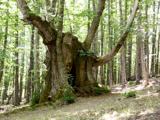 Sweet Chestnut10 mi
Explorer Tom Another Sweet Chestnut here is being picked on by the wind because it leans slightly too far left for comfort. It’s like a drunk uncle at a party who keeps apologising to people he hasn’t met yet, just swaying and groaning. Look for the ghost, then pretend you didn't.
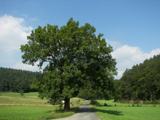 European ash10 mi
Explorer Tom European ash in County Tipperary inspired a bad poem about its leaves falling like tears of regret, which nobody remembers writing but everyone secretly agrees was terrible. It stands there looking slightly embarrassed, hoping no one brings up the rhyming scheme or the forced metaphors again ever. Ten minutes here and you'll have a yarn for the pub.
More archaeology and monuments in County Kilkenny · All of County Kilkenny

What do you know about this place?Tap to add a comment or ask a question