
What is recorded here
Carn Geal stands on a commanding Cork hilltop, its white stones marking a chamber buried beneath centuries of forgotten hands. The arc of upright rocks still faces the sea while loose stones scatter south like broken teeth, inviting imagination about the giants or mourners who shaped them. Conifers once choked the view, but replanting revealed the ancient geometry again. Power walked here in 1918 and saw a destroyed cairn, proving the site resisted erasure even when men forgot its name.
Named 'Cahergal' on 1842 and 1904 OS 6-inch maps. On top of a hill in commanding position. Area previously planted with conifers and replanted c. 1987. Hill-top partially enclosed by arc of upright stones (H 0.94-1.67m) NW->SE; line of loose stones extends c. 4.7m S from W edge of arc. Power (1918, 229) suggests this is remains of retaining wall for cairn destroyed within his lifetime and 'Carn Geal' is correct name for site. He also records remains of square chamber or pit in centre. Locally known as "Giants Grave".
The above description is derived from the published 'Archaeological Inventory of County Cork. Volume 2: East and South Cork' (Dublin: Stationery Office, 1994). In certain instances the entries have been revised and updated in the light of recent research.
Date of upload/revision: 14 January 2009
Neolithic passage tomb; dates to the late Neolithic period (c. 2500–2000 BCE). Its commanding hilltop position and surrounding arc of upright stones suggest it was a significant ceremonial or funerary site in its landscape.
The monument record does not grant public access. Check the route and ask the landowner before entering private land.
- What survives
- Recorded monument
Places near here
 An FaithchinBurial ground · 1094 yd
 St Laurences Well (covered)Holy well · 1444 yd
 Clonmult HoCountry house · 1.3 mi
 Clonmult Househouse · 1.3 mi
 Graveyard in KillasseraghGraveyard · 1.9 mi
 Clonmult Ambush SiteBattlefield · 2.2 mi
 Leahy's Open FarmHeritage attraction · 2.6 mi
 Ballyknock Castle (Site of)Castle, unclassified · 2.8 mi
 Salt HillMountain / peak · 2.9 mi
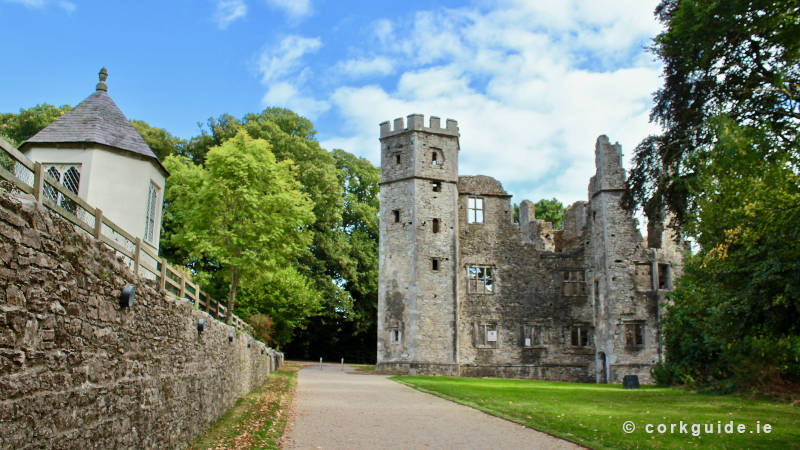 Dungourney Caslte (Site of)Castle, unclassified · 3.5 mi
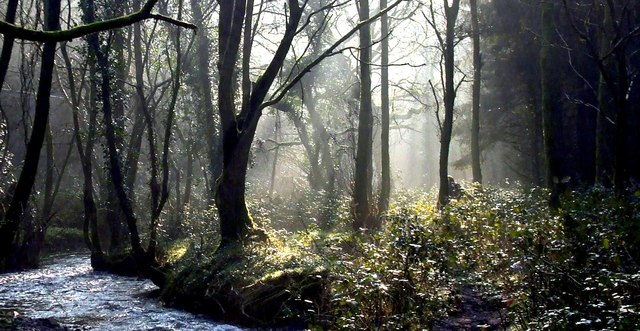 Curragh WoodsWood · 5.8 mi
 Monananig WoodsWood · 6.1 mi
Other information
Photo: Credit not shown in the picture search · Rights wording not checked; contact us if this picture should be removed