
More pictures of this place


Places near here
Photo credits
- National Inventory of Architectural Heritage
- Taken by Fanghong, Wikimedia Commons · CC BY-SA 3.0
- Anonymous Unknown author, Wikimedia Commons · Public domain
- JP, Geograph · CC BY-SA 2.0
- Phillip Perry, Geograph · CC BY-SA 2.0
- Eric Jones, Geograph · CC BY-SA 2.0
- Dwmalone, Wikimedia Commons · CC BY-SA 4.0
- Hugh Frazer, Wikimedia Commons · Public domain
 railway station56 yd
Explorer Tom Railway station in Clontarf West, County Dublin, is playing dress-up as a modern building but still smells like 1844 coal. The seagulls are gossiping about the trains that stopped coming here decades ago. Go now before they start charging you for the nostalgia again.
 station master's house66 yd
Explorer Tom Station master's house in Clontarf West was built around 1880 for the railway. It has red brick construction and polychrome detailing. It’s now a private house. Take a pic for me if you see it.
StudioGallery · 561 ydExplorer Tom Studio gallery in County Dublin acts like the awkward uncle at a wedding who stands in the corner pretending to look at the flowers but is actually judging everyone’s outfit choices. Go back there in winter when the light hits differently, because it becomes an entirely different animal and much more mysterious.
Burial in Unknown TownlandBurial · 639 ydExplorer Tom Burial in Dublin was found when they were building Georgian houses at Marino Crescent, so the foundations are basically history. The poet who fell nearby would be proud of this architectural accident. Perfect spot to practise your best tour-guide voice.
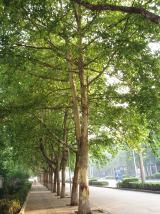 London Plane685 yd
Explorer Tom London Plane in Dublin had a fox take charge of its lower branches last winter and declared it territory. It looks tough with its rough bark but is actually quite sensitive about where you park your bike. Have a sandwich here and call it a heritage lunch for extra points.
St. Dennis WellHoly well · 738 ydExplorer Tom St. Dennis Well in County Dublin used to be called St. Philip's Well on old maps. It was part of a demesne near Clontarf Castle, but now it's just a tarmac area at No. 35 Stiles Road.
 Casino at MarinoHeritage attraction · 757 yd
Explorer Tom Catherine McAuley in County Dublin has developed a deep suspicion of the postman, who allegedly delivered her letters to the wrong century every single time. She’s still checking over her shoulder for him to show up with that bad news. Mind the nettles, they're the real guards here.
 Clontarf CastleCastle, Anglo-Norman masonry castle · 961 yd
Explorer Tom Clontarf Castle has a mock Norman keep added in 1837, which is quite cheeky for a Tudor-Revival house. Adam de Phephoe was there way back when. Bring your worst joke, the place has heard worse from tourists.
 Clontarf Castle HotelVisitor information · 1094 yd
Explorer Tom Clontarf Castle Hotel has been around since 1936, so it's seen better days and definitely worse weather. The picture shows it looking a bit tired, so maybe the ghost of the original owner is just napping in the lobby.
 East Point Business ParkVisitor information · 1222 yd
Explorer Tom East Point Business Park is planning to retire by just turning off all its lights and pretending it’s a haunted house for tourists. It thinks it’s way too important to be bothered by actual people walking around anymore. Hang around long enough and you'll hear a story from a local.
 Seán Russell Memorial StatueMemorial · 1407 yd
Explorer Tom The Seán Russell Memorial Statue is plotting its New Year’s resolution right now, probably something about not looking so stern when people take photos. It’s got a secret life of its own. Find the date carved somewhere and feel clever.
 Battle of ClontarfMajor battlefield · 1635 yd
Explorer Tom Battle of Clontarf in County Dublin is where Brian Boru and the Vikings had their big noisy argument over a thousand years ago. The ground probably still remembers who kicked whom, so step gently or you’ll wake them up.
More historic places in County Dublin · All of County Dublin

What do you know about this place?Tap to add a comment or ask a question