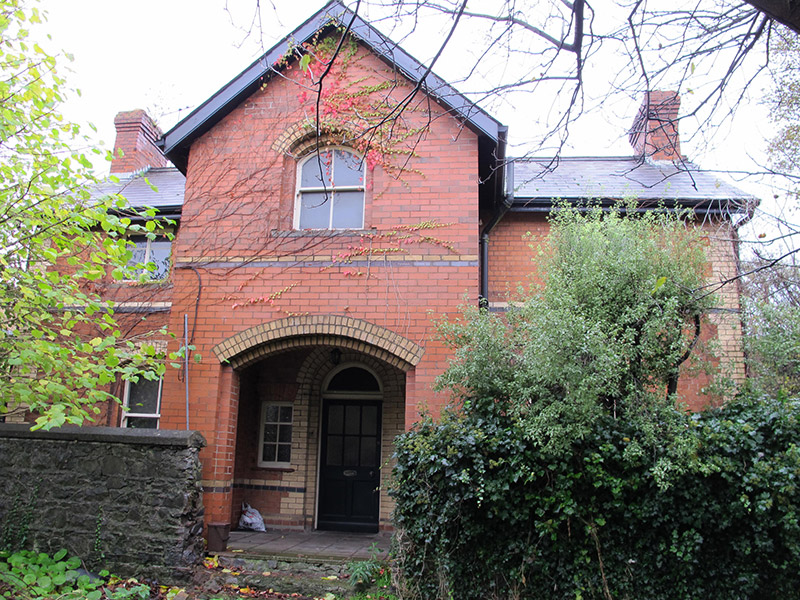
What is recorded here
Attached three-bay two-storey former stationmaster's house, built c. 1880, having recent gable-fronted full-height central projection to front (east) elevation and flat-roofed return to rear (west). Now in use as private house. Pitched natural slate roof with red brick chimneystacks and clay pots, timber bargeboards, and cast-iron rainwater goods. Red brick, laid in English bond, to walls, with yellow brick quoins, black and yellow brick stringcourses, and yellow brick plinth course. Segmental-headed window openings having stepped reveals, yellow brick voussoirs, chamfered granite sills and two-over-two pane timber sliding sash windows. Square-headed window openings to first floor to front. Square-headed openings flanking door, with yellow brick voussoirs, clay sills and steel casement windows. Door having stepped yellow brick reveals and surround, and half-glazed timber panelled door with overlight. Steel gate and matching railing on render plinth wall to south. Set within own grounds, adjoining former station building, adjacent to railway line.
This well-proportioned stationmaster's house is a fine example of the residential architecture that accompanied the arrival of the railway in parts of rural and suburban Ireland. The red brick construction and polychrome brick detailing are characteristic of station buildings on the line, and the retention of timber sash windows adds to its historic character. Originally Clontarf Station was part of the Dublin & Drogheda Railway, which opened in 1844, the line of which is now used by the DART and intercity services. The D&DR was the first part of what was to become the Great Northern Railway, linking Dublin with Belfast. The railway was of great social and economic importance, providing employment and services to the area. It also facilitated the development of Clontarf as a suburb of Dublin, within easy commuting distance of the city. This station was closed in 1956.
This does not grant access. Most recorded buildings are privately owned; view them only from public ground unless the owner allows entry.
Places near here
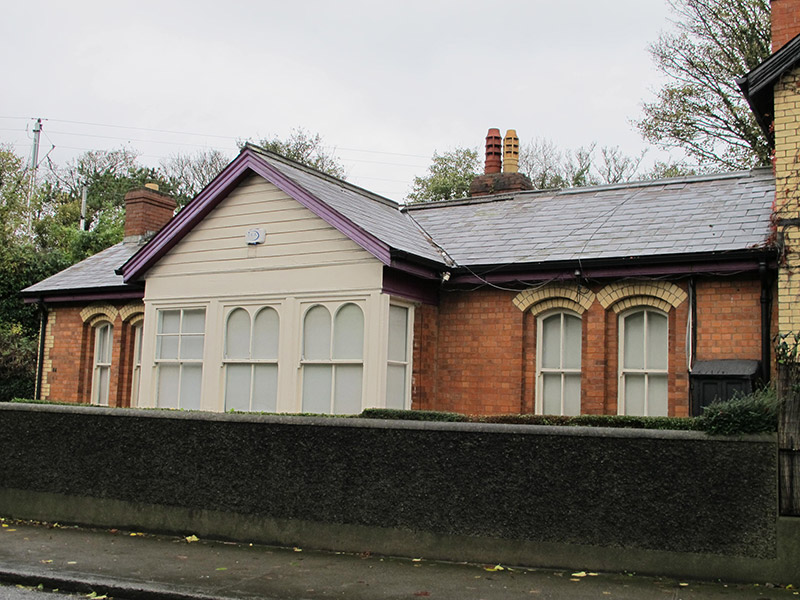 railway stationrailway station · 11 yd
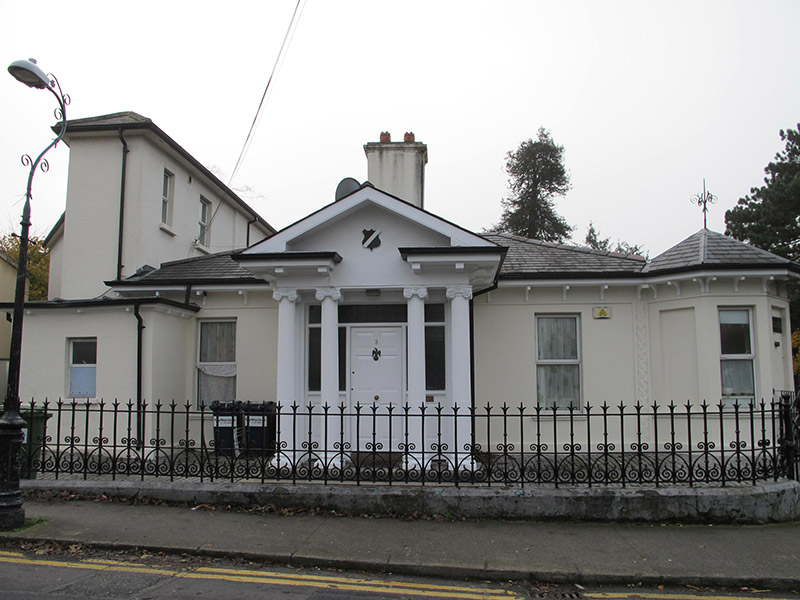 Glaslynngate lodge · 44 yd
 Battle of ClontarfVisitor information · 530 yd
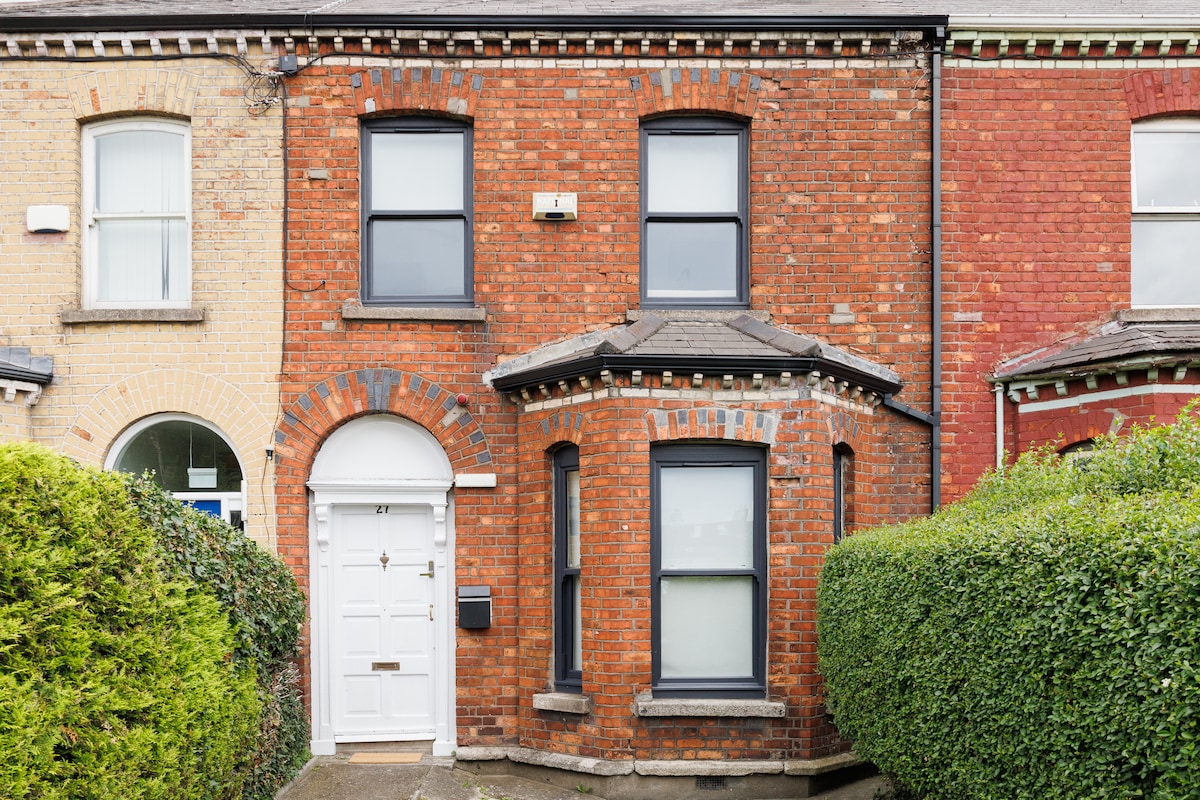 StudioGallery · 562 yd
 St. Dennis WellHoly well · 672 yd
 Burial in Unknown TownlandBurial · 704 yd
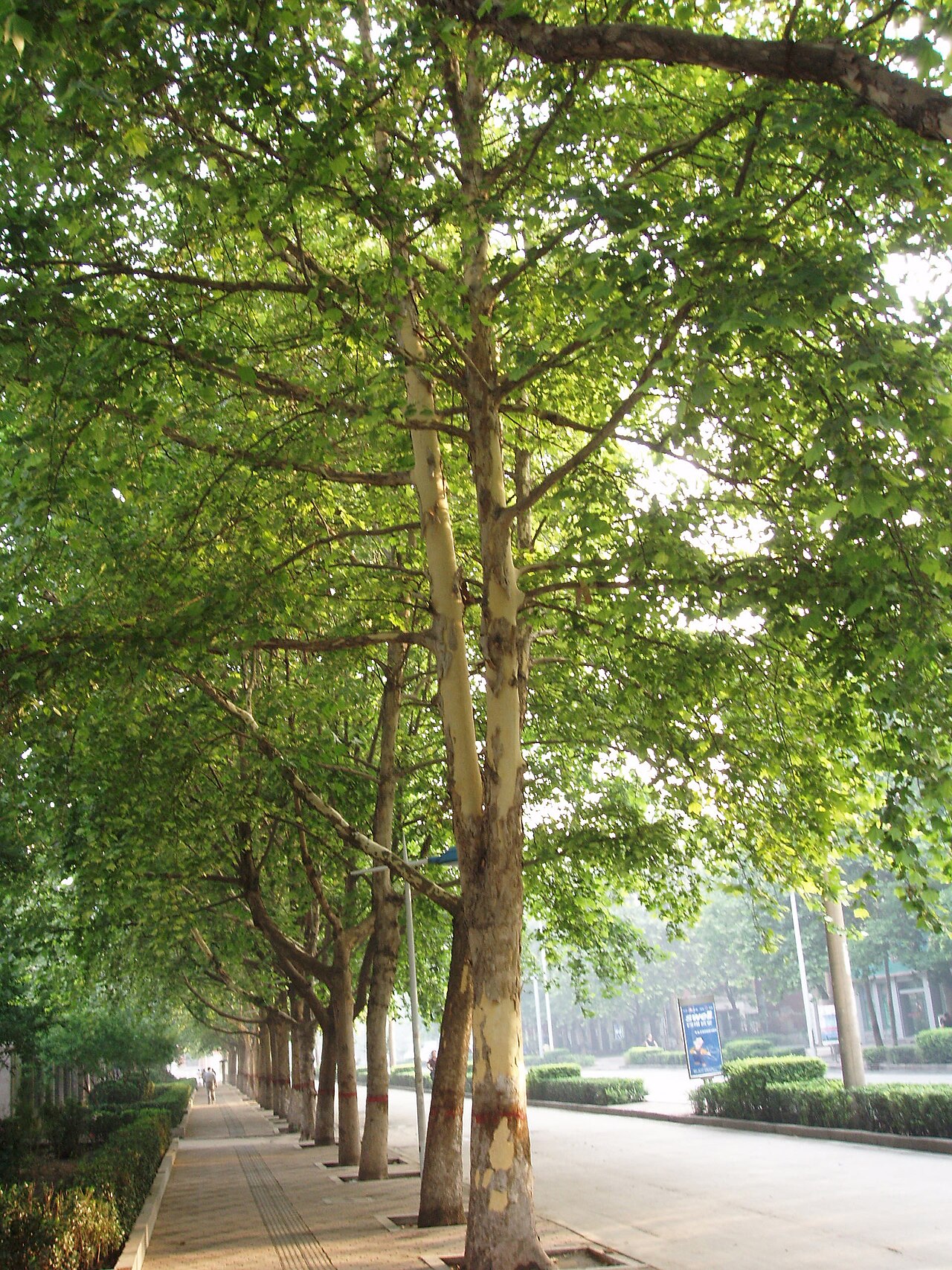 London PlaneLondon Plane · 738 yd
 Casino at MarinoHeritage attraction · 789 yd
 Clontarf Castle HotelVisitor information · 1043 yd
 Clontarf War MemorialMemorial · 1252 yd
 Seán Russell Memorial StatueMemorial · 1472 yd
 W18539Wreck · 1.3 mi
Other information
Photo: National Inventory of Architectural Heritage · Website use allowed for educational or private purposes with source credit