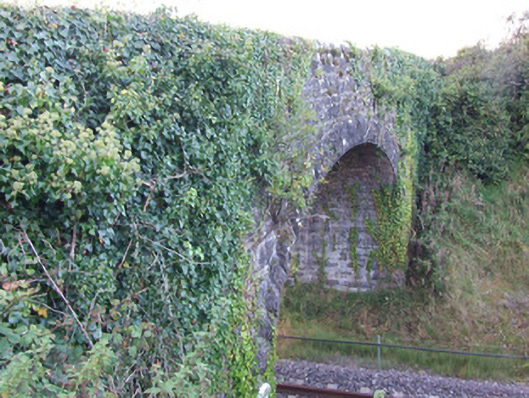
What is recorded here
Single-arch rail accommodation bridge over the Dublin to Sligo railway line, built c. 1854. Segmental-headed arch with rock-faced limestone voussoirs having dressed margins. Coursed squared limestone masonry to spandrels, abutments and barrel. Rubble stone parapets having terminating piers (on square-plan). Rounded…
Read the whole record
From the Buildings of Ireland (National Inventory of Architectural Heritage) record 13401457
Places near here
Photo credits
- National Inventory of Architectural Heritage
- SE Keenan, Wikimedia Commons · CC BY-SA 4.0
- Mike Searle, Geograph · CC BY-SA 2.0
- Charles T. G. Clarke, Wikimedia Commons · CC BY-SA 4.0
- 2ManyCats4Me, Wikimedia Commons · CC0
- Gillaween, Wikimedia Commons · CC BY-SA 4.0
 The ManseManse · 1465 yd
Explorer Tom The Manse in Corboy has a ghost who’s too lazy to properly haunt the place, just napping by the fireplace. The old Presbyterian minister probably set the pace for doing absolutely nothing all day long. Stand there long enough and you’ll learn to nap too.
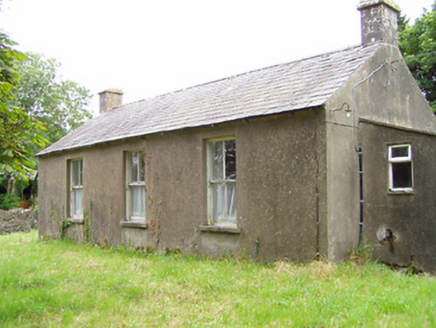 Corboy National SchoolSchool · 1477 yd
Explorer Tom Corboy National School has ashlar limestone chimneys that are way overkill for a place where kids used to learn their ABCs. The Vikings probably got lost looking for it because they thought it was a temple. Spot the oldest student ghost lurking in the window sill.
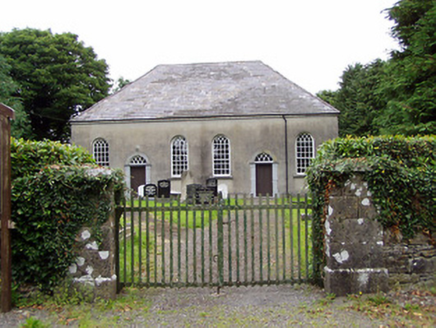 Corboy Presbyterian ChurchChurch/chapel · 1520 yd
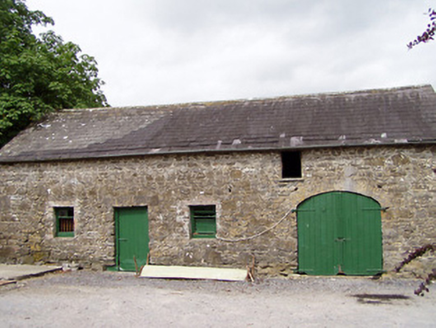 Lisnanagh HouseHouse · 1.1 mi
Explorer Tom Lisnanagh House is having a massive drama with the nearest tree, probably over who gets the best afternoon sun. The outbuildings look like they’re waiting for a sequel to start filming. Perfect spot to wonder what they're whispering about.
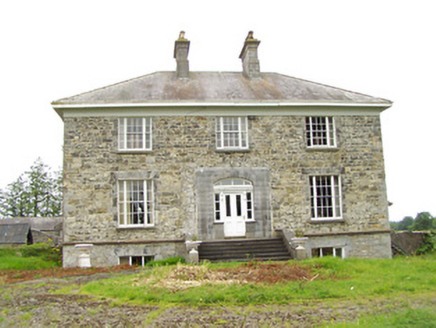 Oldtown HouseHouse · 1.3 mi
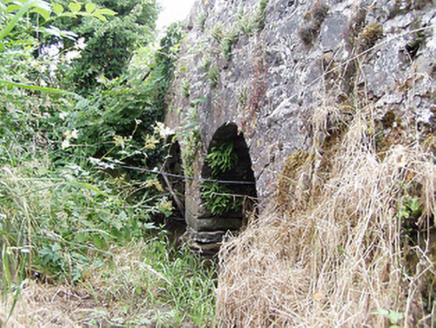 bridge1.4 mi
Explorer Tom Bridge in Cloonahard has had so many names it’s given up pretending to be anything other than itself. It’s got two tiny arches that look like they’re trying to hold back a sneeze. Stick around for the light to hit it right.
 Ardagh Clock TowerMonument · 2.6 mi
 Bawn in CastlereaBawn · 4.9 mi
Explorer Tom Bawn in Castlerea is surrounded by a drainage ditch that looks like someone gave up halfway. There is a curse that only affects people who don't wave at it as they pass. It's free, it's odd, what more do you want?
 Coolamber CastleHouse, fortified house · 7.8 mi
 Granard MotteMotte-and-bailey castle remains · 8.6 mi
Explorer Tom Granard Motte would describe the 1800s to a teenager as 'basically a long queue for nothing'. It's just a big mound pretending it remembers something important from the castle days. Spot the oldest stone and give it a name.
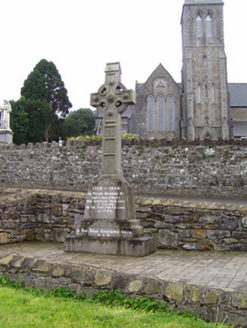 1798 MonumentMonument · 8.7 mi
 Sheela-na-gig in AbbeylaraSheela-na-gig · 10 mi
More historic places in County Longford · All of County Longford

What do you know about this place?Tap to add a comment or ask a question