What is recorded here
Bile is an ancient ash tree in County Galway where coins became trapped inside living bark, marking a place people still trust for wart cures even after the original well water stopped flowing. The tree stands beside a children’s burial ground, carrying both tenderness and danger: love offered to a child, belief given to a wounded body, and silence kept around what the earth already knows. Its name changed from Holy Well to Bile because the tree itself became the measured centre of the story.
On a slight rise in hilly pastureland and to the N of a children’s burial ground (GA117-064003-). Named ‘Holy Well’ on the 1917 edition of the OS 6-inch map and ‘Bile’ on the 1947 revision. The latter term refers to a large ancient tree that was held in veneration (Joyce 1923, 96). A number of coins have been placed on this old ash tree and in some cases the bark has grown around then, encasing the coins. The tree is still visited as the well, which consists of a pool of water that collects in the trunk, but which was dry at the time of the site visit, is believed locally to be a cure for warts. Apparently this well transferred from the tree (GA117-064001-) when it died.
Compiled by: Olive Alcock
Date of upload: 13 October 2017
Linked to Saint Bile (Bilé), an early Irish saint associated with healing wells, particularly those named Bile or Ballybelle. The name derives from the Irish *Bíle* or *Bíle Léith*, meaning "white bull," and such wells were often believed to cure skin ailments or ensure fertility.
The monument record does not grant public access. Check the route and ask the landowner before entering private land.
- What survives
- Recorded monument
Places near here
 Bile (Site of)Ritual site, holy tree/bush · 35 yd
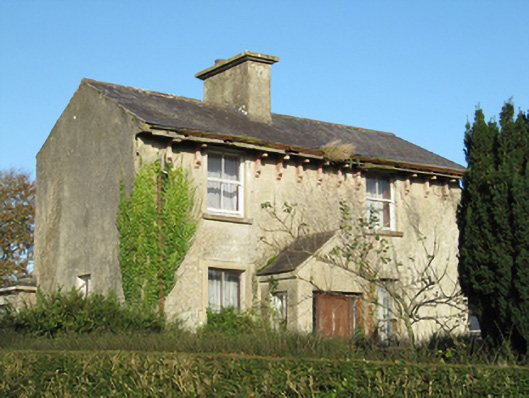 Lisduff Househouse · 1735 yd
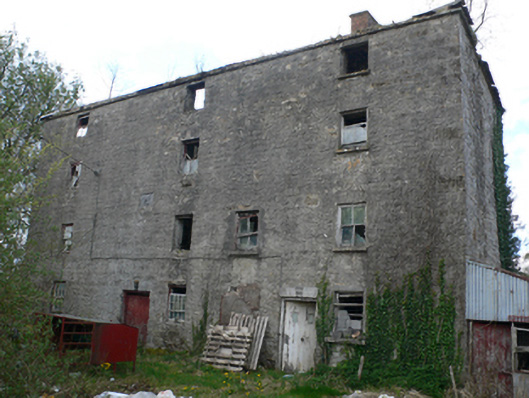 Lisduff Millmill (water) · 1.1 mi
 ‘Tobernaglora’Holy well · 1.2 mi
 Quarryhill WoodWood · 1.6 mi
 Site of CastleCastle, unclassified · 1.7 mi
 Knockaunnageeragh Castle in ruinsCastle, unclassified · 1.8 mi
 Bog WoodForest · 1.9 mi
 Church HillMountain / peak · 4.1 mi
 Redmond HillMountain / peak · 9.7 mi
 The bloody HollowHeritage attraction · 9.7 mi
 Battle of AughrimMajor battlefield · 9.7 mi