Places near here
Photo credits
- Hywel Williams, Geograph · CC BY-SA 2.0
- National Inventory of Architectural Heritage
- Joebater at English Wikipedia, Wikimedia Commons · CC BY-SA 3.0
- Donald MacDonald, Geograph · CC BY-SA 2.0
- Maker named on the Wikimedia Commons picture page · CC BY-SA 2.5
- me, Wikimedia Commons · Public domain
- Ceoil ( talk ) ( Uploads ), Wikimedia Commons · Public domain
- Jonathan Thacker, Geograph · CC BY-SA 2.0
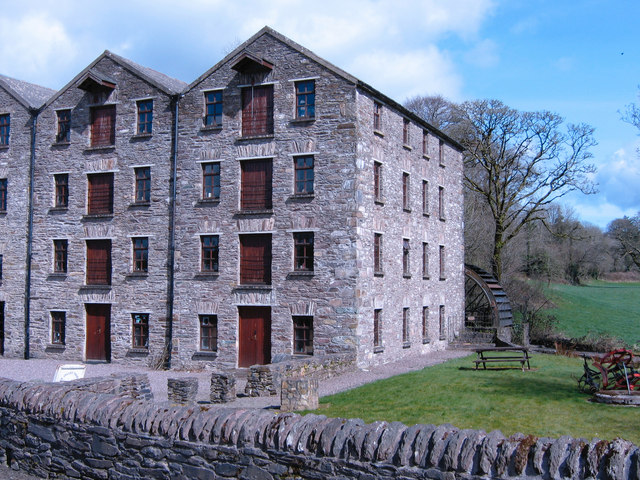
 Bealick Mill (Corn)Mill, corn · 5 yd
Explorer Tom Bealick Mill (Corn) is on the river bank, which means it's always getting wet socks if you try to touch it. There's a hidden treasure here that's definitely a biscuit tin from 1974 left by a confused grandparent. Have a nosey, politely, and don't scare off the local history buffs.
 Firville HouseGate lodge · 59 yd
Explorer Tom Firville House is a gate lodge with corrugated roofing that looks like it’s wearing a tin-foil hat. The timber clapperboard walls are unusual enough to make the council raise an eyebrow in confusion. If it complained, it’d probably say something about the lack of proper ventilation for its drama.
Ancient Burial (Site of)Cist · 917 ydExplorer Tom Ancient Burial in Bealick is a tiny stone-lined cist that got examined by O'Kelly and found with an encrusted urn inside. It’s 0.5 meters long, which is barely bigger than a bread loaf, making the whole archaeological process feel like opening a very old lunchbox. Tell the kids it's a castle. Close enough.
St Bernards WellHoly well · 1090 ydExplorer Tom St Bernards Well has cement steps and a plaque for a saint whose name sounds like a sneeze. People used to do rounds here on Palm Sunday while pretending they weren't sweaty. Stand still and listen, the wind tells it better than me.
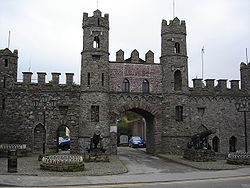 Battle of MacroomBattle · 1215 yd
Explorer Tom The Battle of Macroom is constantly trying to one-up its more famous cousin next door by claiming it had better weather and a superior supply of biscuits, which is why the soldiers fought with such enthusiasm and zero dignity. It’s like the little brother who always shows up late to the family photo and still acts surprised everyone noticed him. If it’s closed, admire it from the road like a polym
 Macroom Castle (in Ruins)Castle, tower house · 1580 yd
Explorer Tom Macroom Castle got demolished in 1967 to build a technical school, which is either genius or terrible. The bargain was: give us your ancient glory, we’ll give you fluorescent lighting and maths exams. It’s the only castle that died for education, bless it. Bring sandwiches, the gulls will thank you.
Macroom WalksVisitor information · 1702 ydExplorer Tom Macroom Walks in County Cork has strict rules for visitors, including one where you have to pretend the ducks are wearing tiny hats to get full points. It’s a walking route that feels like it’s leading you somewhere important but actually just loops back to the start. Tell the kids it's a castle. Close enough.
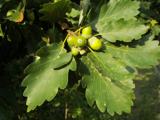 Sessile Oak1.8 mi
Explorer Tom Sessile Oak in County Cork would post on social media: 'Another day, another leaf falling. #NatureIsIndifferent.' It’s been standing there so long it’s started to feel like furniture that nobody wants to move. The bark is thick enough to hide a secret or two. Ring your granny and tell her where you are.
 The Gearagh Nature ReserveNature reserve · 2.9 mi
Explorer Tom The Gearagh Nature Reserve remembers the time a priest lost a bet there and had to wear a penguin suit for a week, which was undignified. The reeds are still giggling about it. Take a mate and argue about what it was for.
Clonavrick CliffCliff · 3.2 miExplorer Tom Clonavrick Cliff means 'The Place Where You Might Slip If You’re Not Careful,' which is basically the whole vibe of the place. It’s got that dramatic edge that makes you feel like an action hero for a second. Bring a flask and pretend you own the place.
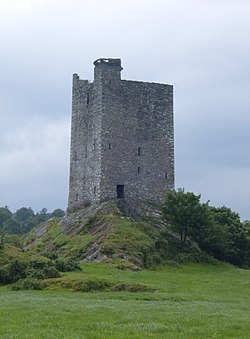 Carrigaphooca CastleCastle · 3.7 mi
Explorer Tom Carrigaphooca Castle has a púca in its name and a rock under its feet, enough for me to spin a tale before we even reach Macroom. The MacCarthys of Muskerry built the five-storey tower in the early fifteenth century above the River Sullane. Its name means castle on the rock of the púca, a supernatural character from Irish stories; I will not claim a ghost was the builder. Stone-circle and standing-stone sites lie in the wider area, giving the valley older company. The tower is cared for by the state but stands on private property and is not open to the public. View it only from a lawful public position and do not cross a fence because my tale sounds inviting. Look at the steep rock supporting the walls. Even without a púca, the builders chose a dramatic perch.
 Kilmurry WoodsPicnic place · 4.8 mi
Explorer Tom Kilmurry Woods in County Cork had a fiddler play there all night last Tuesday, and the trees are still shaking their heads in disapproval of the tune. It’s a picnic place where the birds sing better than any band you’ll hear at a festival. Bring a flask of something warm and a story to swap.
More historic places in County Cork · All of County Cork

What do you know about this place?Tap to add a comment or ask a question