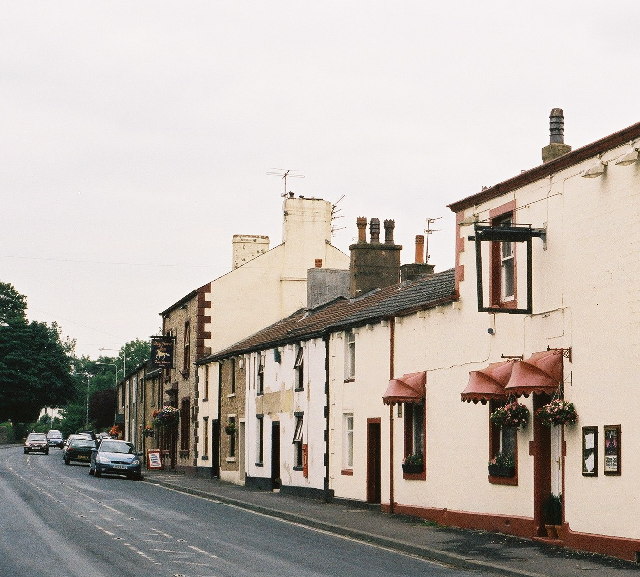
What is recorded here
This monument was discovered during stripping of topsoil on a flat ridge in 1998. It comprises a circular ditch (D 0.6m) with an internal diameter of c. 8.5m which encloses a mound. There were no surviving traces of an external bank. Within the mound was a supine juvenile inhumation in poor condition, and there was no indication of a formal grave-cut. A pit cut into the mound containing five cattle teeth. The central mound was capped with a layer of clay that contained a pit cremation and a number of small spreads of charcoal. There was a small amount of fragmentary burnt human bone in the cremation, suggesting token deposition. Within the ring-ditch the primary fill contained a large number of fragments of burnt bone. The quantity of this material suggests that it may represent pyre debris. Burnt human and animal bone and disarticulated animal bone was distributed irregularly but appeared in various densities throughout the ring-ditch. The faunal remains included cattle teeth and shed antler. Pieces of struck flint were found (mainly at the four cardinal points), including two thumbnail scrapers, which suggest a possible Bronze Age date (0'Neill 2000, 40-42, ).
Compiled by: Geraldine Stout
Date of upload: 29 April 2009
A Neolithic ring-barrow; significant as a rare surviving example of an early funerary monument, though largely undecorated and with limited surviving internal features.
The monument record does not grant public access. Check the route and ask the landowner before entering private land.
- What survives
- Recorded monument
Places near here
 Fulacht fia in CherrywoodFulacht fia · 164 yd
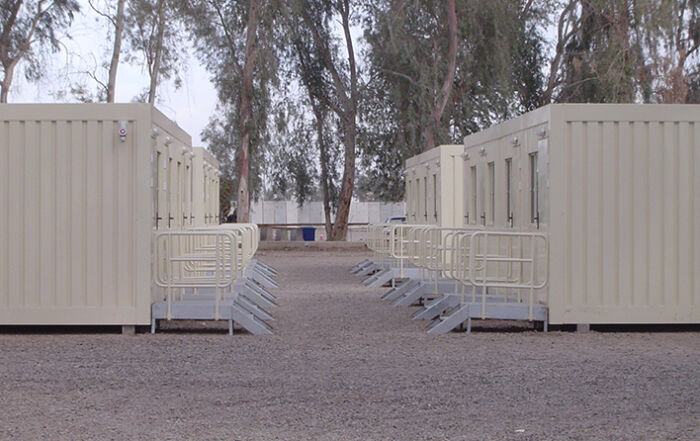 Military camp in LaughanstownMilitary camp · 426 yd
 viaductviaduct · 511 yd
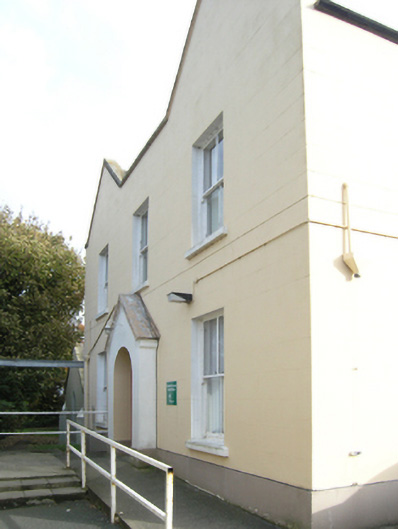 Saint Columcille's Hospitalconvent/nunnery · 549 yd
 Loughlinstown WoodsNature reserve · 884 yd
 Shanganagh CastleCastle, tower house · 1276 yd
 Michael DavittMemorial · 1454 yd
 Puck's CastleCastle · 1.2 mi
 Rathmichael WalkWalking route · 1.2 mi
 Funeral PathVisitor information · 1.2 mi
 Cabinteely ParkVisitor information · 1.3 mi
 Proclamation of the Irish RepublicMemorial · 1.3 mi
Other information
Photo: Credit not shown in the picture search · Rights wording not checked; contact us if this picture should be removed