
What is recorded here
Square-plan mausoleum, built c. 1716, to south of former Ballyclogh Church of Ireland. Pitched slate roof, with moulded limestone cornice, and cut-stone copings and eaves course. Coursed rubble limestone walls, partly rendered, with cut-stone quoins and having cut-stone plat band above impost level. Carved stone pediment to front, north, gable, having Armstrong coat of arms. Round-arched cut-stone entrance having cut-stone voussoirs and projecting keystone, and flanked by pilasters with carved capitals. Hole in floor internally leading to tomb. White marble monument to interior having comprising temple front device with round Corinthian columns supporting moulded entablature with floral medallions and pediment with dentillation and having urn to apex and human figures to acroteria. Temple front set against marble backdrop, with moulded impost and plinth detail to each side. Columns flank marble plaque with inscription in Latin bearing dates 1716 and 1743. Carved limestone roundel above plaque, bearing coat of arms. Temple front stands over altar-style plinth with moulded limestone top surface.
This fine mausoleum, built by the Armstrong family of Ballyclogh Castle, is one of the most elaborate in North Cork, having some parallels at Castlelyons and Ballynoe. The design and craftsmanship are notable, exemplified by the arched entrance with flanking pilasters. It forms part of a group of interesting and finely-made burial monuments in the graveyard of the former Church of Ireland. Its location, immediately adjacent to the church, points to its status. It also predates the present building.
This does not grant access. Most recorded buildings are privately owned; view them only from public ground unless the owner allows entry.
Places near here
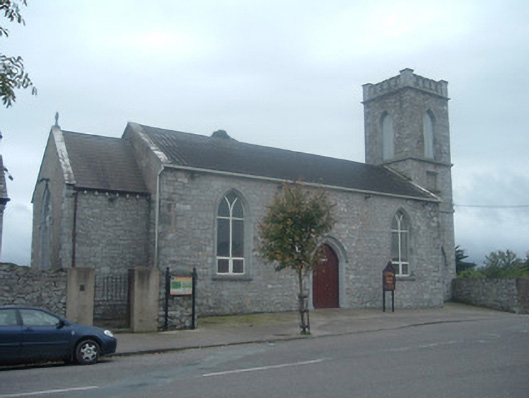 O’Callaghan's Funeral Chapelchurch/chapel · 17 yd
 Ballyclogh Graveyardmonument · 20 yd
 CastleBawn · 243 yd
 IndicatedDesigned landscape, tree-ring · 318 yd
 Field system in Kilpatrick (duhallow By.)Field system · 1533 yd
 Lohort CastleCastle, tower house · 1.7 mi
 Graveyard in Ballygiblin (duhallow By.)Graveyard · 2.4 mi
 Dromaneen CastleHeritage attraction · 2.7 mi
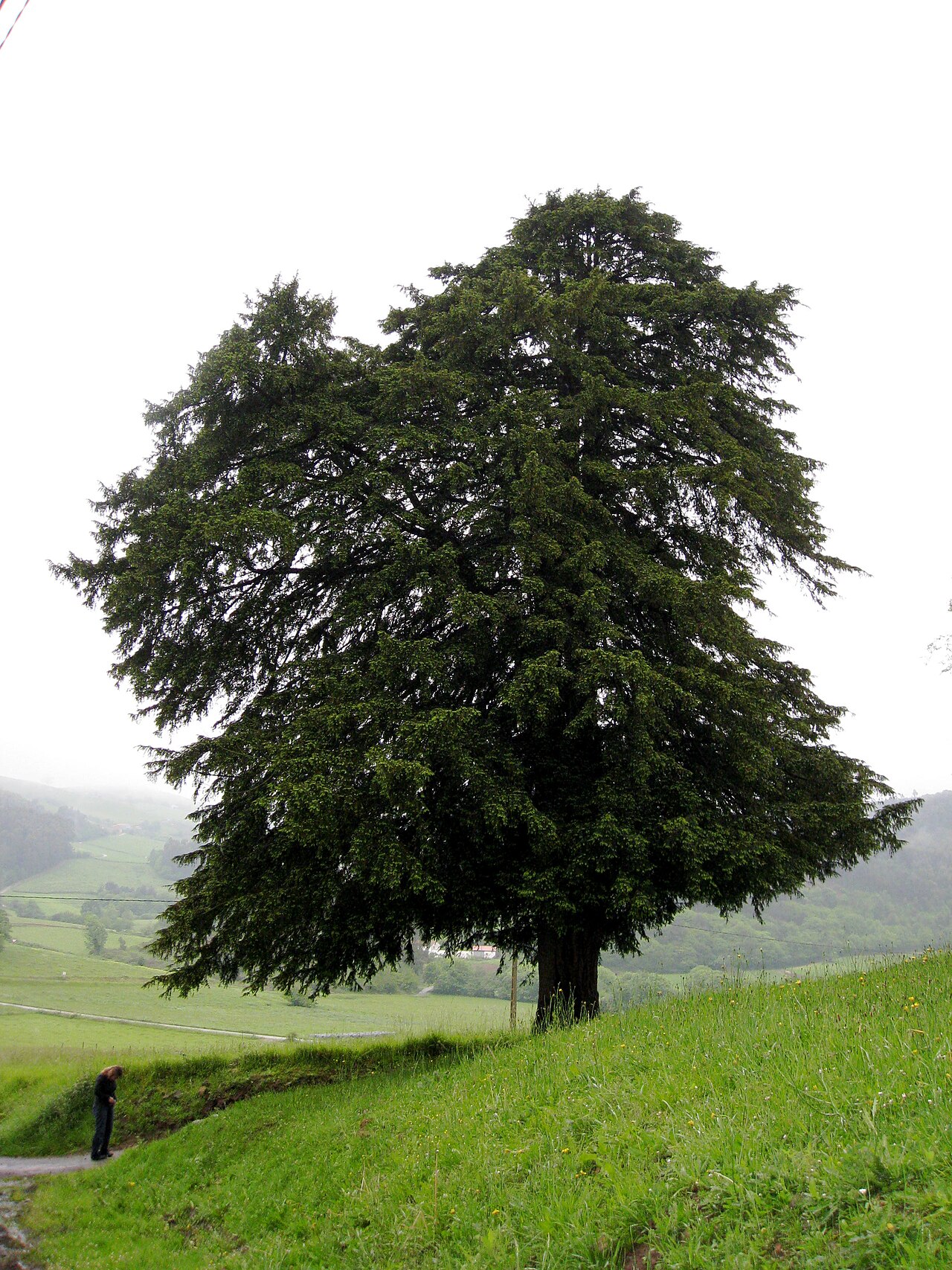 European YewEuropean Yew · 4.1 mi
 Burial ground in AssolasBurial ground · 4.3 mi
 In loving memory of Elvis O'DonoghueMemorial · 4.3 mi
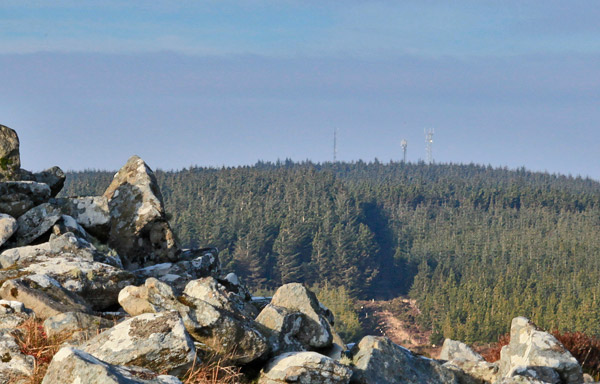 Mount Hillary - Knightfield LoopWalking route · 5.7 mi
Other information
Photo: National Inventory of Architectural Heritage · Website use allowed for educational or private purposes with source credit