DDiscover AloneMapAbout

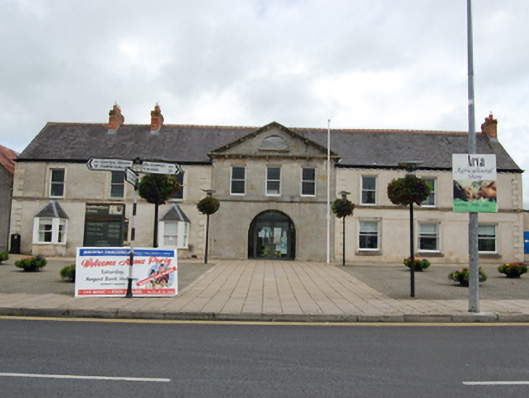
Arvagh Library

Market house
Arvagh Library
Photo: National Inventory of Architectural Heritage · Report the wrong picture

This does not grant access. Most recorded buildings are privately owned; view them only from public ground unless the owner allows entry.

Recorded change of use
Originally market house; recorded by the architectural inventory as library/archive
What do you know about this place?Tap to add a comment or ask a question

What you write will be public.

What is recorded here

Attached nine-bay two-storey former market house and court house, built c.1820, with central three-bay pedimented breakfront, and outer three bays with canted bays flanking central door to north block. Renovated 2001, partly used as a courthouse until 2008, now in use as library. Pitched slate roof with perforated…

Read the whole record
Attached nine-bay two-storey former market house and court house, built c.1820, with central three-bay pedimented breakfront, and outer three bays with canted bays flanking central door to north block. Renovated 2001, partly used as a courthouse until 2008, now in use as library. Pitched slate roof with perforated crested clay ridge tiles, modillions to eaves course. Brick chimneystacks with stepped collar bands to south gable and pair to north wing, cast-iron rainwater goods. Dressed ashlar limestone breakfront having horizontal and raked modillion cornice to pediment and semi-circular opening with louvers to tympanum. Rendered outer bays having raised render quoins and cut stone string course at first floor sill level. Roughcast rendered walls to rear and side elevations. External stairs to south gable formerly providing access to courtroom to south. Gabled central rear bay. Window openings to first floor having moulded string course at sill level, one-over-one timber sash windows. Round-headed central arch elliptically chamfered to ground floor, recessed replacement door screen behind. Windows having moulded stucco surrounds and one-over-one timber sash windows, margin panes to centre window of ground floor. North wing having central segmental-headed door opening with moulded architrave, keystone, and stone sills to three-quarter side lights. Timber panelled door with fanlight. Stone step and threshold. Doorway flanked by canted bay windows with hipped roofs having scalloped-shaped slates, one-over-one timber sashes, timber sills, and rendered plinths. One-over-one timber sash windows and replacement doors to rear. Market scales and weight still extant internally. Set back from street line with former market square to front.
The market house was built by the Earl of Gosford to facilitate the growing economic prosperity of Arvagh in the early nineteenth century. The design is attributed to W.D. Butler (1794-1857), who designed a number of market and court houses throughout Ireland, on account of the distinctive raked modillions to the pediment. The building retains the characteristic appearance of an early nineteenth century market house. It was designed to fulfil two specific roles; that of a market house at ground level and court house at first floor. The breakfront and pediment lend an air of authority to the structure befitting these original purposes. The finely tooled breakfront exhibits quality stone masonry and the elliptical chamfer is a skilfully crafted detail. The market house occupies a prominent location forming the east side of the square that serves as the central focus in the town.

From the Buildings of Ireland (National Inventory of Architectural Heritage) record 40302005

Places near here

Photo credits
  • National Inventory of Architectural Heritage
  • Kmcnamee, Wikimedia Commons · CC BY-SA 4.0
  • Maker not stated on source page, www.bwallpaperhd.com
  • Maker not stated on source page, curiousireland.ie
  • Maker not stated on source page, www.forestresearch.gov.uk
  • Maker not stated on source page, nl.pinterest.com
  • Maker not stated on source page, en.wikipedia.org
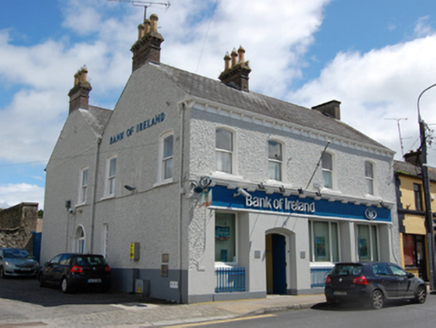
Bank of IrelandHouse · 38 yd

Explorer Tom Bank of Ireland in Drumalt is two houses that got merged and now pretend to be fancy. It’s modest, but I bet it still…
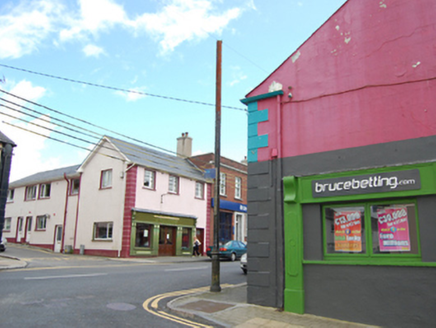
latrine115 yd

Explorer Tom Latrine in Drumalt is basically a fancy sewer pipe dressed up like a lamp post to make itself look important. The local…
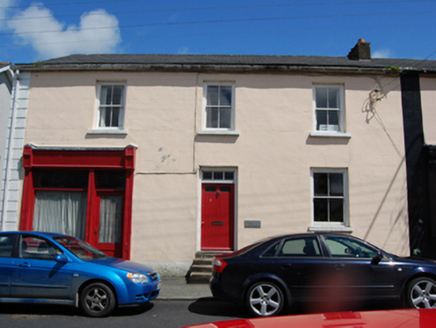
Wilmik HouseHouse · 131 yd

Explorer Tom Wilmik House is a little shop and home combo, living that dual-life lifestyle like it’s cool. It probably sells you…
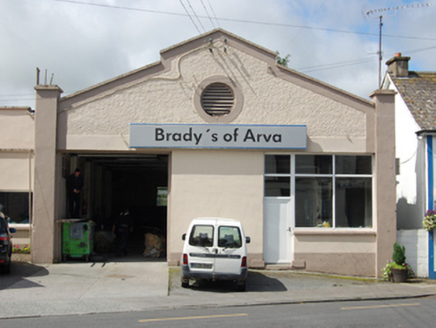
garage171 yd

Explorer Tom Garage in Drumalt has a stepped parapet so fancy that even a pigeon refuses to leave its roof for better options. It’s…
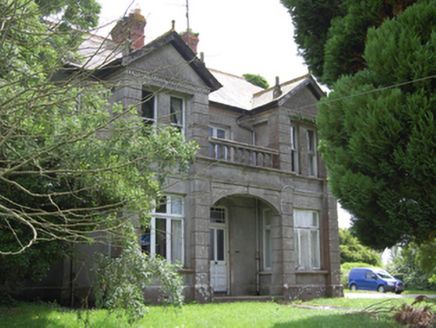
Hill HouseHouse · 222 yd

Explorer Tom Hill House in Drumalt is dripping with early twentieth-century decoration like it’s trying too hard. It has a balcony…
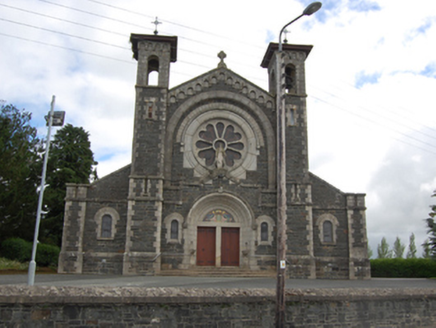
Saint Mary's Catholic ChurchChurch/chapel · 266 yd

Explorer Tom Saint Mary’s in Drumalt is showing off its Italian Romanesque style like it just won a fancy dress competition. Bring a…

Michael Cully Memorial Park, St. Patricks, ArvaGAA ground · 296 ydFairy fort / earthen ringfort in FihoraghFairy fort / earthen ringfort · 1.2 mi

Explorer Tom Fairy fort / earthen ringfort in Fihoragh gets sick of people asking if it’s actually haunted when it’s just got…
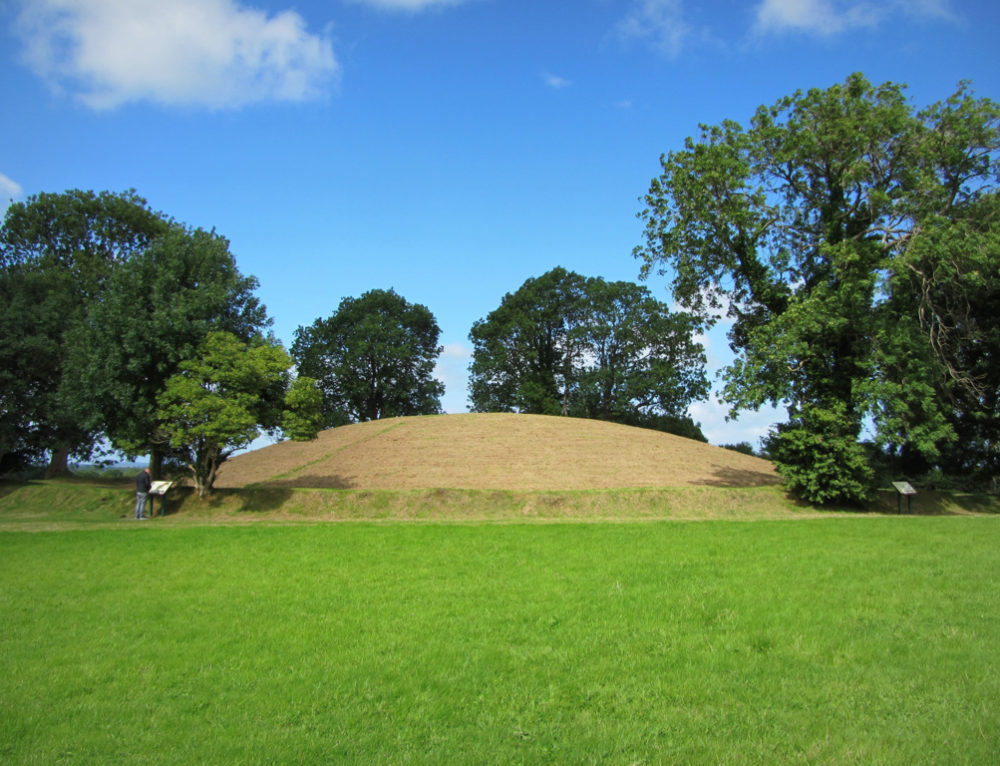
Fairy fort / earthen ringfort in ForthillFairy fort / earthen ringfort · 1.3 mi

Explorer Tom Fairy fort / earthen ringfort in Forthill would complain to the council about the moss growing on its massive earthen…
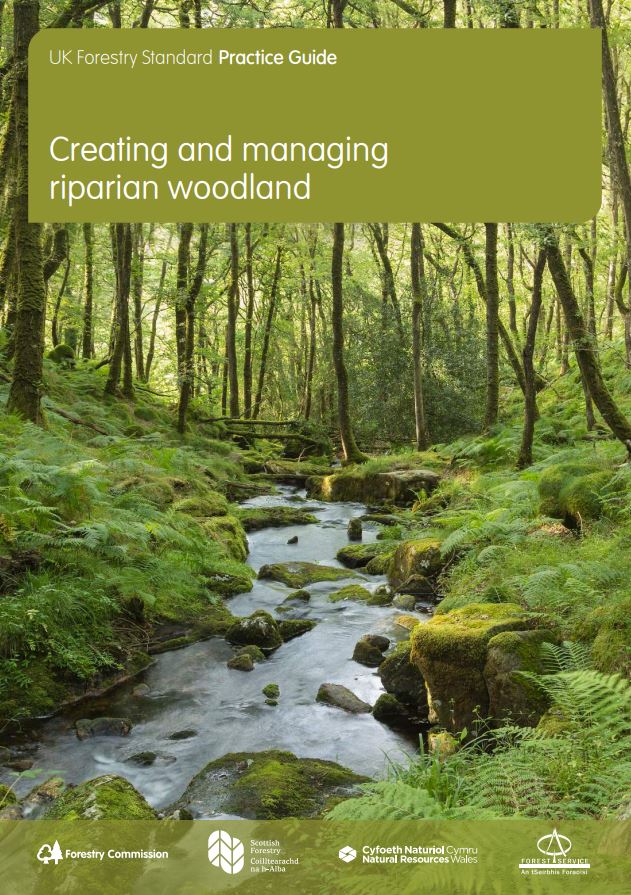
Lisraherty Riparian WoodlandWood · 1.8 mi

Explorer Tom Lisraherty Riparian Woodland saw a fox try to high-five a heron once, which was the most dramatic thing to happen there…

CastleCastle, unclassified · 1.9 mi

Explorer Tom Castle in Castlepoles is famous for a ridiculous smuggling story about cheese hidden in bawn walls. No one knows if…

Coronea Old GraveyardGraveyard · 2.0 mi

Explorer Tom Coronea Old Graveyard in County Cavan witnessed a love story where two people fell out over a garden fence and ended up…

More historic places in County Cavan · All of County Cavan

Add to this placeAdd a picture Add a detailed tip Add a story

Explore the map1,095,414 places to discover

Next place · or swipeBank of Ireland