Places near here
Photo credits
- National Inventory of Architectural Heritage
- Richard Webb, Geograph · CC BY-SA 2.0
- Kenneth Allen, Geograph · CC BY-SA 2.0
- louise price, Wikimedia Commons · CC BY-SA 2.0
- Kenneth Allen, Wikimedia Commons · CC BY-SA 2.0
- Ronnie Nijboer, Wikimedia Commons · CC0
- louise price, Geograph · CC BY-SA 2.0
- Rossographer, Geograph · CC BY-SA 2.0
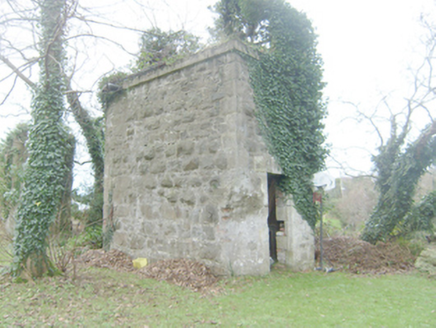 water tower215 yd
Explorer Tom Water tower in Gortnamucklagh has an imaginary fan club called 'The Hydrated', who meet every Tuesday to stand under it and drink water from their bottles. It’s this former railway water tower that looks like it’s still waiting for the next steam engine to pull up, which is a bit of a long wait now. If you see the masonry looking lonely, tell it the trains are on a break and will be
 Station HouseRailway station · 247 yd
Explorer Tom Station House in Gortnamucklagh saw its most dramatic moment when a pigeon flew into the platform and caused a minor diplomatic incident with the staff. It’s the terminus of a line that probably stopped running because the track got bored of walking. Keep your distance from the restored wing, it looks like it’s just waiting for a delayed train to arrive.
 Highlands HotelHotel · 634 yd
Explorer Tom Highlands Hotel in Glenties sounds like it’s on top of a mountain with no lift to help you. If you see a view, describe it to me, but don’t mention the cold draft. Find a local and ask them the real story, then come back and tell me.
 Kennedy's Bar and RestaurantRestaurant · 681 yd
Explorer Tom Kennedy's Bar and Restaurant is definitely hiding a secret menu involving only cabbage and regret. I bet the barman knows more about ghosts than he does about cocktails, so keep your ears peeled for whispers while you eat.
 St. Connell's Museum and Heritage CentreMuseum · 704 yd
Explorer Tom St. Connell's Museum and Heritage Centre lets me go from an old courtroom to the cells below, then into stories of the workhouse and Donegal railways. That is a lot of Glenties history packed into one building. I would leave the cells to the displays and keep my own visit on the friendly side of the door.
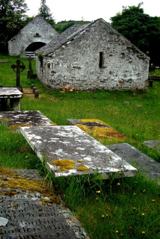 Inishkeel Graveyard near GlentiesGraveyard · 1.3 mi
Explorer Tom Inishkeel Graveyard near Glenties was rectangular in the older survey, but its south side sat on part of a roughly circular rise. Some of that rise lay beyond the west wall, about fifty metres across. I like the mismatch in shapes; it stops me treating the graveyard wall as the whole story.
 Burial GroundGraveyard · 2.0 mi
Explorer Tom Burial Ground in Kilrean Upper is stacked with layers of history that refuse to stay quiet. You’ve got 12th-century sandstone window heads and a cross-slab with swastika patterns sitting right next to modern graves. It’s a bit of a chaotic archaeological buffet, so keep your eyes peeled for the odd carvings.
 Letterilly Standing StonePublicly named standing stone · 2.4 mi
Explorer Tom Letterilly Standing Stone is standing there all by itself, probably wondering why it didn't get invited to the more exciting stone circles nearby. It’s a lovely bit of quiet company if you need a moment to think about how old the ground really is. Just make sure you ask permission before you start having a chat with it.
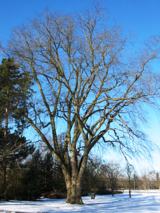 Wych Elm2.9 mi
Explorer Tom Wych Elm claims there’s a shortcut through its branches that saves twenty minutes, but nobody has ever actually found the exit yet. People get lost in the canopy and end up climbing down on the same side they started from. It’s a bit of a trickster with a green exterior. Bring a flask of something warm and a story to swap.
 Binn BhánMountain / peak · 5.0 mi
Explorer Tom Binn Bhán is recorded as a mountain / peak in County Donegal. It is hilarious that the ground goes from boggy to suddenly hard right at the top, like nature hit the brakes. I bet my boots would be utterly confused.
 Bonny Glen Wood - Bonny Glen walkOfficial walking route · 5.1 mi
Explorer Tom Bonny Glen Wood - Bonny Glen walk would bring a bottle of wine and a very serious face to any party it attended. It had a fire in 2011 and now acts like it’s been through therapy and came out stronger. A proper spot for a flask of tea and a big think.
 CarnaweenMountain / peak · 5.1 mi
Explorer Tom Carnaween has Diarmuid Ó Duibhne hiding in its name, at least in the old local telling. There was even a first-Sunday-in-June climb in the record. I would ask the hero whether he liked hills this much, but I would check current access before trying to follow him.
More historic places in County Donegal · All of County Donegal
What do you know about this place?Tap to add a comment or ask a question