
What is recorded here
Located in the N wall of the chancel in the church of the Dominican priory (MA070-067001-) of Strade.
This 15th-century canopy tomb/wall monument is one of the finest surviving examples of its type in Ireland. It features a pointed arch filled with gloriously flamboyant, flowing cusped tracery. The hood-moulding of the arch is decorated with eleven crockets on each side and at the apex, which is crowned by a cross-shaped finial, and it is framed by two chamfered pinnacles terminating into crocketted finials. At the base of the arch on the W side is a carving of a dog, a symbol of loyalty and faithfulness.
The front of the mensa or tomb is comprised of two panels, each decorated with four figures carved within their own small ogee-headed canopy with pinnacles. In the left-hand panel, each ogee-headed canopy is separated by a slim pilaster. A broader pilaster separates this panel from the right-hand panel, where each canopy is supported by an angel.
The eight figures are finely carved, with great attention to details such as hair and facial features, the folds of the clothing and the symbolic attributes each displays or carries. The four crowned figures on the W panel (from L) represent the three Magi, carrying their gifts of gold, frankincense and myrrh in ciborium-like containers, and Christ displaying the Five Wounds. The four figures on the right-hand panel (from L) include a kneeling man, a bishop wearing a mitre, one hand raised in blessing and the other carrying a cross-shaped crozier, St Peter carrying a book and the keys of Heaven, and Saint Paul carrying a book and a sword.
A closer look at the kneeling man shows that he is bearded, with a luxuriant moustache, and dressed in a friar’s habit, his raised arms, showing buttoned sleeves, are drawing back the cowl or hood –perhaps in anticipation of a blessing from the adjacent bishop towards whom he is facing (Leask 1960, 168). There is a weaver’s shuttle dangling from his belt, which may symbolise the passage of time or allude to his association with weaving or the wool trade (McDermott 2009, 100-05). This figure is probably a depiction of the deceased donor of the tomb, who was probably a benefactor of the abbey during his lifetime. It was not uncommon in the medieval period for patrons of abbeys to take the habit in their later years to atone for their sins and prepare for death.
A memorial to Anne Deane, cousin of John Dillon, MP and leader of the Irish Parliamentary Party, was inserted into the back of the tomb recess in the 19th-century.
Attached image
MA07-067003-_01
Compiled by: Anne-Julie Lafaye and Jane O'Shaughnessy
Date of upload: 23 June 2020
This 15th-century wall monument was likely built by a member of a wealthy local family associated with the Dominican priory at Strade. It is an example of late medieval funerary art and reflects the significance of the priory as a religious and social center in the region.
The monument record does not grant public access. Check the route and ask the landowner before entering private land.
- What survives
- Recorded monument
Places near here
 Abbey in RuinsReligious house, Dominican friars · 21 yd
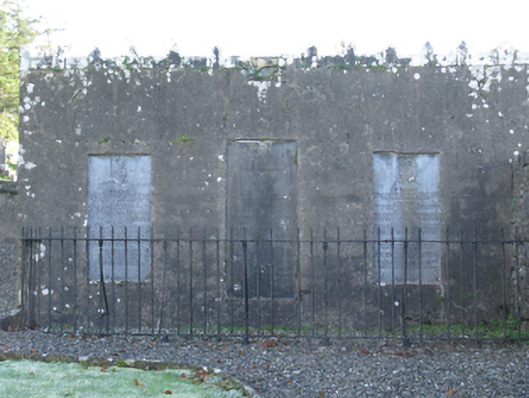 mausoleummausoleum · 31 yd
 Michael DavittMemorial · 106 yd
 IndicatedFairy fort / earthen ringfort · 280 yd
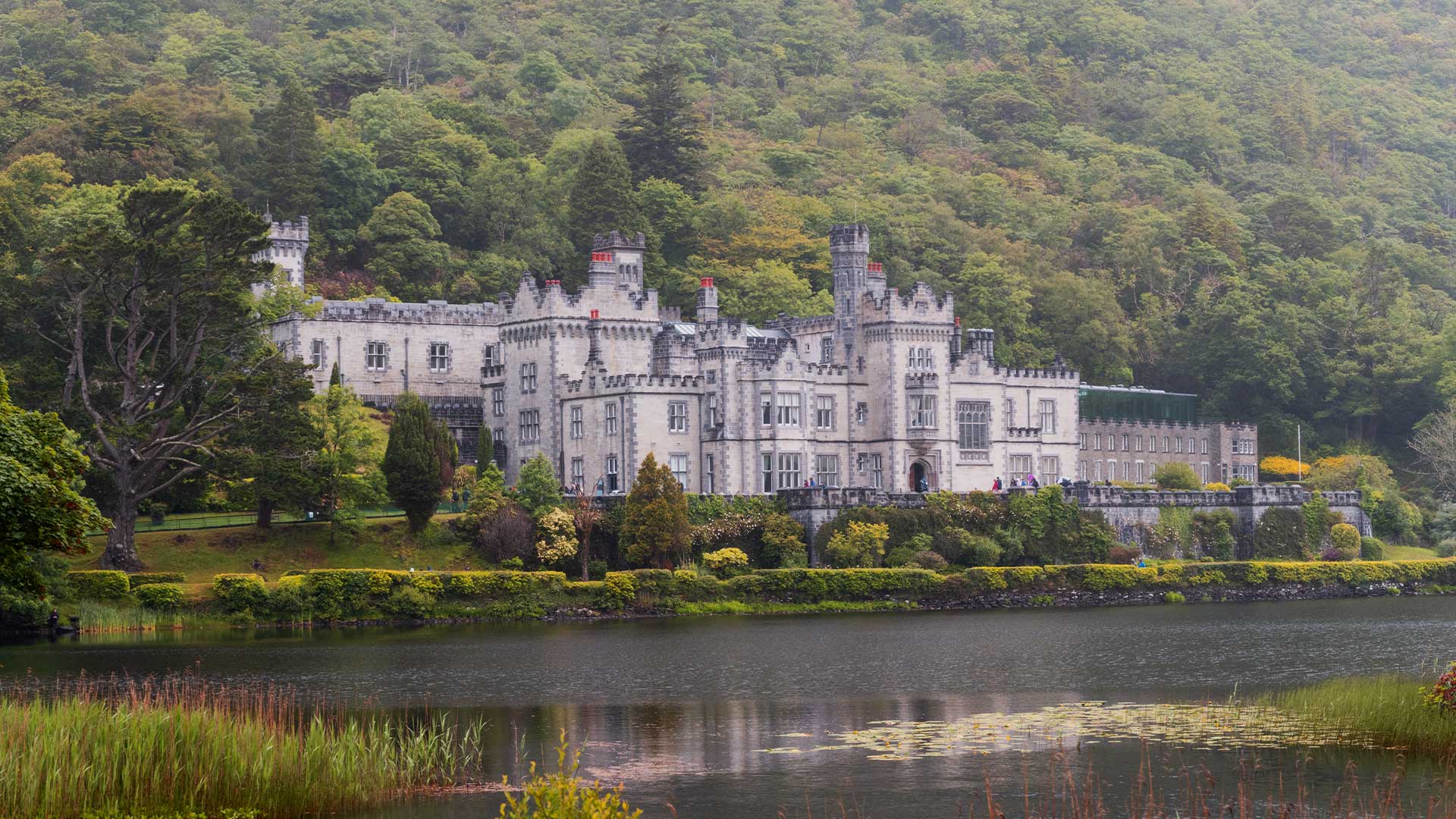 LismoreFairy fort / earthen ringfort · 1.2 mi
 Ballylahan Castle in RuinsCastle, Anglo-Norman masonry castle · 1.3 mi
 Shonagawna Castle in RuinsCastle, unclassified · 2.0 mi
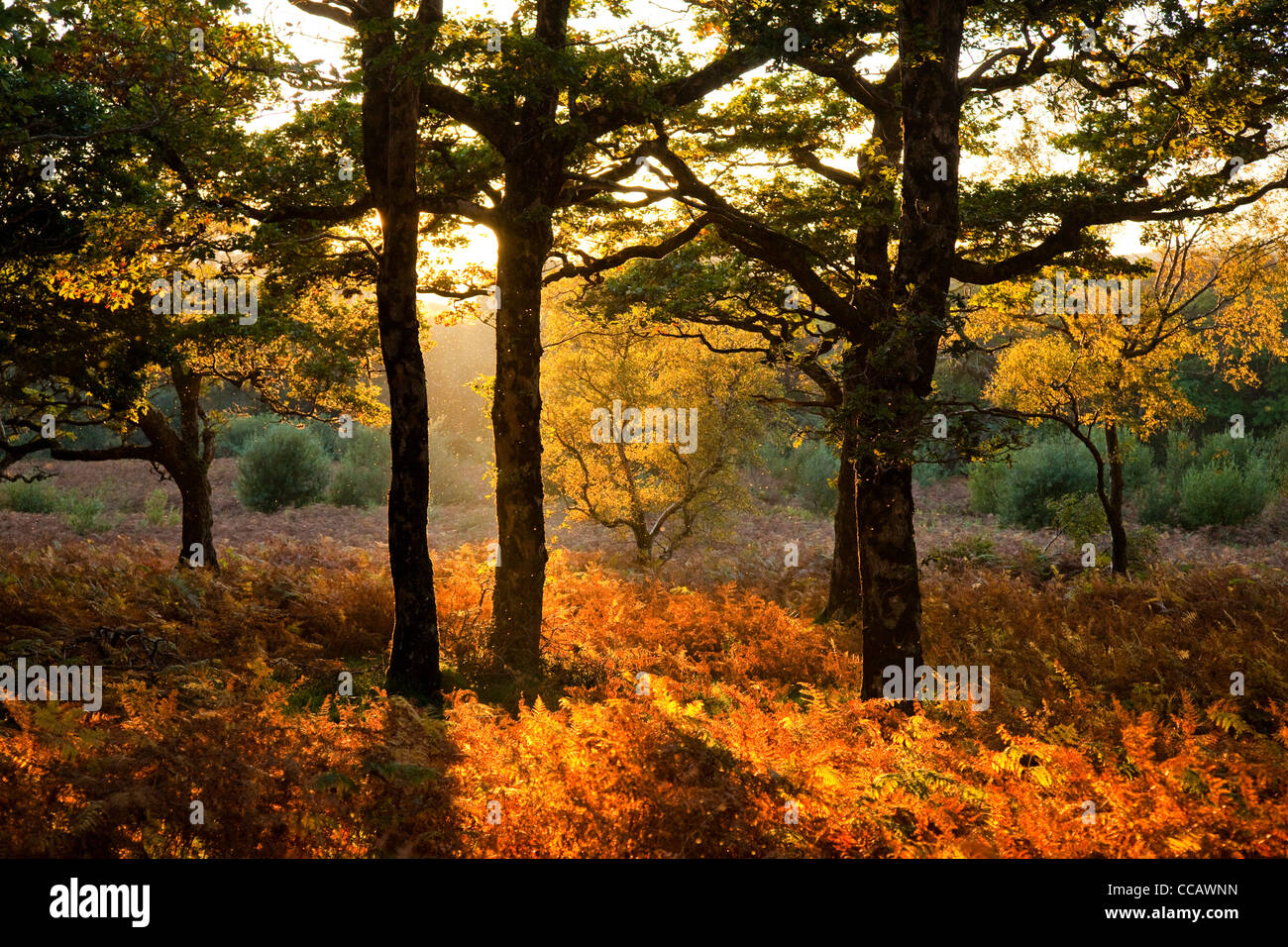 Oak WoodWood · 3.9 mi
 National Museum of Ireland, Country LifeMuseum · 4.1 mi
 Sunken GardenWood · 4.2 mi
 Admiral William BrownMemorial · 4.2 mi
 Foxford Woollen MillsHeritage attraction · 4.3 mi
Other information
Photo: Credit not shown in the picture search · Rights wording not checked; contact us if this picture should be removed