What is recorded here
In the N wall of the nave of Buttevant Franciscan friary (CO017-053004-). This 13th-century wall tomb consists of a slab with a plain chamfer inserted in a recess, under a cinquefoiled arch with a rounded hood-moulding, resting on clustered columns with moulded bases and capitals carved with a foliage motif. The hood moulding is decorated with a dogtooth ornament. Brash (1852a, 89; see also Plate 4) described how the hood-moulding terminated in ‘carved heads, very beautifully executed’, though one had been removed; now neither survive. A very small carved head does remain in the E-most foils of the arch, though it is unclear whether this is what Brash actually meant. The slab was either not original to the tomb or replaced in the 17th century, as an inscription in very low relief, now much worn and not visible to the naked eye, reads ‘Hic jacet Edmondus Maghery et Joana Ny Murughue et Heredes Eorum, Anno Dn. 1625’ (Here lie Edmund Magher and Joan Murphy, and their heirs, A.D. 1625. Ibid. and Fitzgerald 1904-6b, 445). According to Brash (ibid., 90) in the back of the tomb was ‘a rudely painted crucifixion’. It is not visible anymore, but traces of plaster remain in situ.
This tomb can be clearly dated to the middle of the 13th century and is likely to be coeval with construction of the church; the friary was established by David de Barry, lord of Buttevant, and became the Barrys’ main burial place. There is another, almost identical wall tomb in the S wall of the nave, while another was located in the S chapel of the church (CO017-053015- and CO017-053019-), though the arch was removed from its original position and inserted in the E wall of the small E chapel abutting the S chapel, where it forms part of an 18th-century chest tomb.
Compiled by: Anne-Julie Lafaye
Date of upload: 25 November 2025
The wall monument in Buttevant was built in the 13th century, likely by members of the Franciscan order associated with the friary. It features a plain chamfered slab under a cinquefoiled arch and is significant as an example of early Gothic funerary architecture in a religious context.
The monument record does not grant public access. Check the route and ask the landowner before entering private land.
- What survives
- Recorded monument
Places near here
 Wall monument in ButtevantWall monument · 9 yd
 Abbey (in Ruins)Religious house, Franciscan friars · 21 yd
 Town defences in ButtevantTown defences · 104 yd
 Lombards CastleCastle, tower house · 220 yd
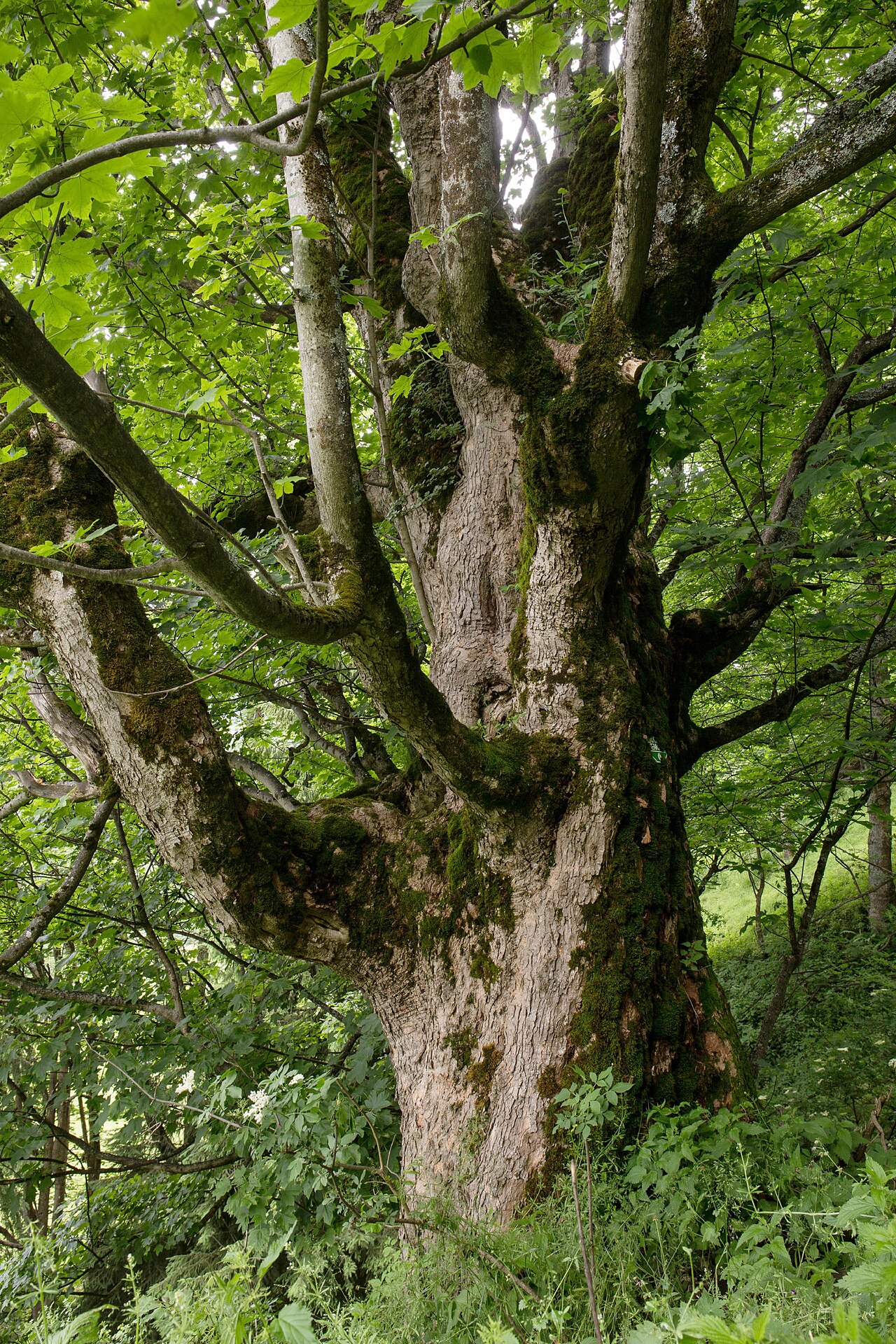 SycamoreSycamore · 300 yd
 David HurleyMemorial · 302 yd
 Grave YardGraveyard · 571 yd
 Charles BunworthMemorial · 571 yd
 Ballinguile Castle (in Ruins)Castle, tower house · 1.9 mi
 Rogan's Rock CovertWood · 2.3 mi
 Smith's WellSpring · 3.4 mi
 Lady's WellSpring · 3.5 mi