Places near here
Photo credits
- National Inventory of Architectural Heritage
- Filip Scridon, Wikimedia Commons · CC BY-SA 4.0
- N Chadwick, Geograph · CC BY-SA 2.0
- Paul Shanahan, Wikimedia Commons · CC BY-SA 4.0
- Mauro Tozzi, Wikimedia Commons
- Keith Weller, Wikimedia Commons · Public domain
- renee_mcgurk, Wikimedia Commons · CC BY 2.0
- NateBergin, Wikimedia Commons · CC BY 4.0
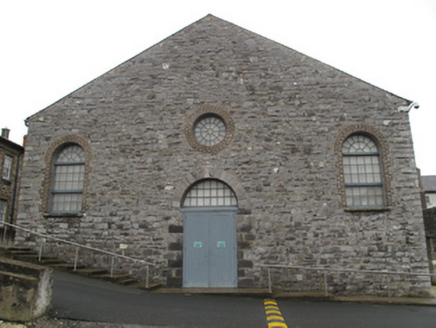 National Museum of Ireland Collins BarracksChurch/chapel · 9 yd
Explorer Tom Collins Barracks’ chapel was built for soldiers who probably needed a break from shooting things, so it makes sense that it looks so sturdy. The wide windows suggest they liked singing loud hymns that could be heard three streets away. Bring a pen and write down whatever weird thing you see first.
 Rutland Fountain National Museum of Ireland Collins BarracksFountain · 16 yd
Explorer Tom Rutland Fountain in County Dublin got moved around like a lost suitcase until it ended up being a soldiers' urinal, which is quite the demotion for a Duke’s gift. It still has that fancy stone work, but now it smells like history and regret. Wonder if the water tastes like victory or just old sweat?
 Royal BarracksBarracks · 60 yd
Explorer Tom Royal Barracks: The very first Dublin barracks, built on land bought from the Duke of Ormonde in the early 1700s. It sounds like a real estate deal where the landlord got paid in military discipline and noise.
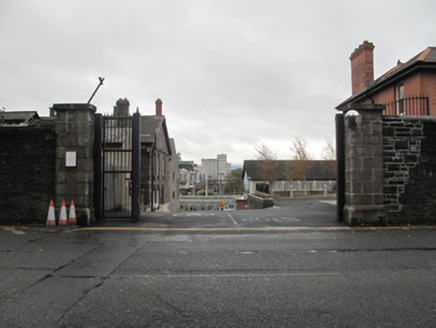 Collins BarracksGate lodge · 61 yd
Explorer Tom Collins Barracks gate lodge on Benburb Street is part of a wall from 1800 that wanted to show some power. The granite piers are square and serious, but the lodge itself is just a gable-fronted single-storey thing trying to look imposing. It’s guarding an entrance that probably doesn’t need much guarding.
 National Museum of Ireland (Decorative Arts & History)Museum · 89 yd
Explorer Tom Collins Barracks has spent one life drilling soldiers and another making me stop to admire a chair. The old Dublin barracks now houses the National Museum's decorative arts and history collections. This part of the museum began in 1877; among its early acquisitions were 121 Indian and Persian objects bought in the next two years. Today craft and design sit beside military history, including material from the Easter Rising. I would give you a confident lecture on every object, then discover the label disagreed with me. The broad courtyards make the building itself part of the visit rather than a plain box around the displays. Check current gallery hours and any exhibition arrangements before going, and allow time to cross between rooms. Pick something modest as well as something grand. The museum is very good at showing how everyday objects carry whole lives.
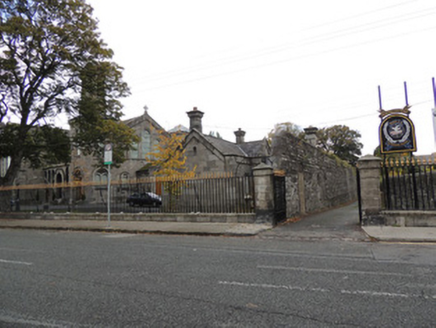 Arbour Hill PrisonGates/railings/walls · 93 yd
Explorer Tom Arbour Hill Prison gates are what I call ‘military chic’, all iron and stone pretending to be much tougher than they really are. They’d tell the church next door that it needs to stop looking so soft-hearted with all those flowers blooming around it. Stand back from the piers, or they might just lean on you for support!
 Military Heritage of Ireland TrustSexton's house · 102 yd
Explorer Tom Military Heritage of Ireland Trust at Arbour Hill in County Dublin was originally a sexton’s house for keeping dead men company. Now it hosts military history like a very serious ghost party. Take a bow to the bones and brass.
 Croppies Acre MemorialMemorial · 200 yd
Explorer Tom Croppies Acre Memorial in County Dublin has a great exterior view waiting for you. It’s a memorial, so keep it dignified, but also check out the surroundings. The whole place looks like it’s posing for a history book cover.
 Anna LiviaPublic artwork · 294 yd
Explorer Tom Anna Livia changed address and kept her river manners. I could learn from that. Anna Livia once lounged in a long fountain on O'Connell Street and now occupies Croppies' Memorial Park, which is quite a change of address for a river spirit. Sculptor Éamonn O'Doherty made her for Dublin's 1988 millennium celebrations, with businessman Michael Smurfit commissioning the work in memory of his father. She stands for the River Liffey, while her name reaches into James Joyce's Finnegans Wake. If I start asking a statue for directions, point me towards the real river instead. The original fountain was designed to suggest the river's course from mountain to sea; Dubliners supplied their own opinions about the whole arrangement almost immediately. That seems fair: a city should be allowed to argue with its public art. The bronze is an outdoor monument in a public park, so you can look without arranging a museum visit, subject to the park's normal access. Find her, then glance towards the real Liffey nearby to see which one is in the mood to pose.
 European Pear665 yd
Explorer Tom European Pear in County Dublin does weird things when nobody's looking, like plotting how to drop its fruit on your head with precision. It’s been doing this for years, and honestly, you’re starting to look like you’ve earned it. Give it a pat on the way past, it's had a long life.
 Silver maple1007 yd
Explorer Tom Silver maple in County Dublin has a deep suspicion of the postman, believing he’s stealing its leaves to make fake currency for the squirrels. It stands there all sassy and silver, judging everyone who walks past with its leafy eyes. Go on, count the windows and get it wrong like I did, then blame the tree for distracting you.
 IndicatedCathedral · 1329 yd
Explorer Tom Cathedral. Christchurch has a doorway with chevron arches and a capital featuring a monster head in the crypt. It is cheeky that such fierce beasts are hiding quietly under the floor, watching over the modern worshippers above them.
More things to do in County Dublin · All of County Dublin

What do you know about this place?Tap to add a comment or ask a question