What is recorded here
St. Patricks Well is a holy well in Kilmore (athlone North By., Athleague East Ed), County Roscommon, Ireland. The site contains a modern five-sided well, a possible original pond, and Gluain Phadraig, a bullaun basin listed in a 15th century document. A penitential cairn with a damaged latin cross overlooks the basin inside a rectangular enclosure built in the 1920s. A pattern was held on the last Sunday in July until the 1960s, suggesting a Lughnasa connection.
On a low-lying area of limestone karst with low hills to the NE and SE, and a turlough to the NW. Gluain Phadraig is listed in a 15th century document (O'Donovan 1843, 83). There is a modern five-sided well (RO044-013001-) (int. dims 1m N-S; 1m E-W; D 0.7m) with a masonry revetting wall (T 0.5m) which is flush with the external ground surface and approached by one step from the SE, but the original well may be the pond (diam. c. 15m) c. 30m to the NW. About 30m to the E of the pond is Gluain Phadraig, a bullaun basin (RO044-013002-) (diam. 0.23m; D 0.3m) in the limestone bedrock which is surrounded by a penitential cairn (RO044-013004-) (dims 6.2m N-S; 3.4m E-W) retained by drystone walling (H 0.2-0.8m) and open to the W. On the cairn overlooking the bullaun is the damaged head of a latin cross (RO044-013003-) (Wth 0.33m; H 0.23m; T 0.14m). The pond and cairn are within a rectangular enclosure (dims 55m E-W; 52m N-S) which was built in the 1920s and is defined by a drystone wall and hedge. The W boundary was replaced by a masonry wall in 1996 when the well was revamped and an altar built 5m S of the cairn. A pattern was held on the last Sunday in July until the 1960s at least, which suggests that it had a Lughnasa connection.
Compiled by: Michael Moore
Date of upload: 24 August 2010
St. Patrick’s Well is associated with the patron saint of Ireland, St. Patrick, and is linked to traditional Christian pilgrimage practices. The well's name and listing in a 15th-century document suggest a long-standing tradition of veneration, possibly connected to early Christian settlements in the region.
The monument record does not grant public access. Check the route and ask the landowner before entering private land.
- What survives
- Recorded monument
Places near here
 Cross in Kilmore (athlone North By., Athleague East Ed)Cross · 33 yd
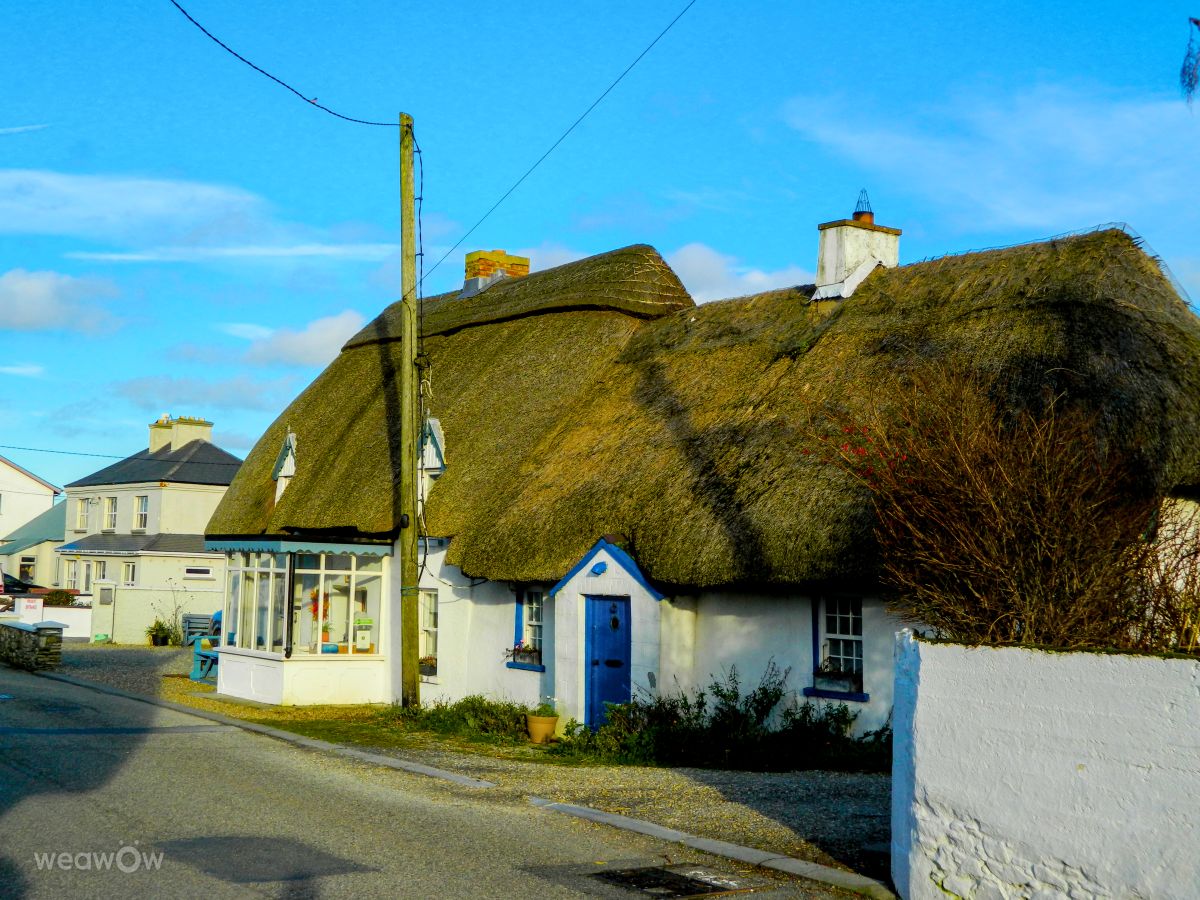 IndicatedFairy fort / earthen ringfort · 227 yd
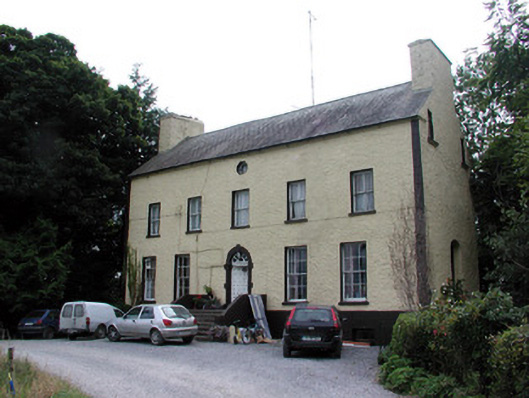 Bushypark Housecountry house · 1.0 mi
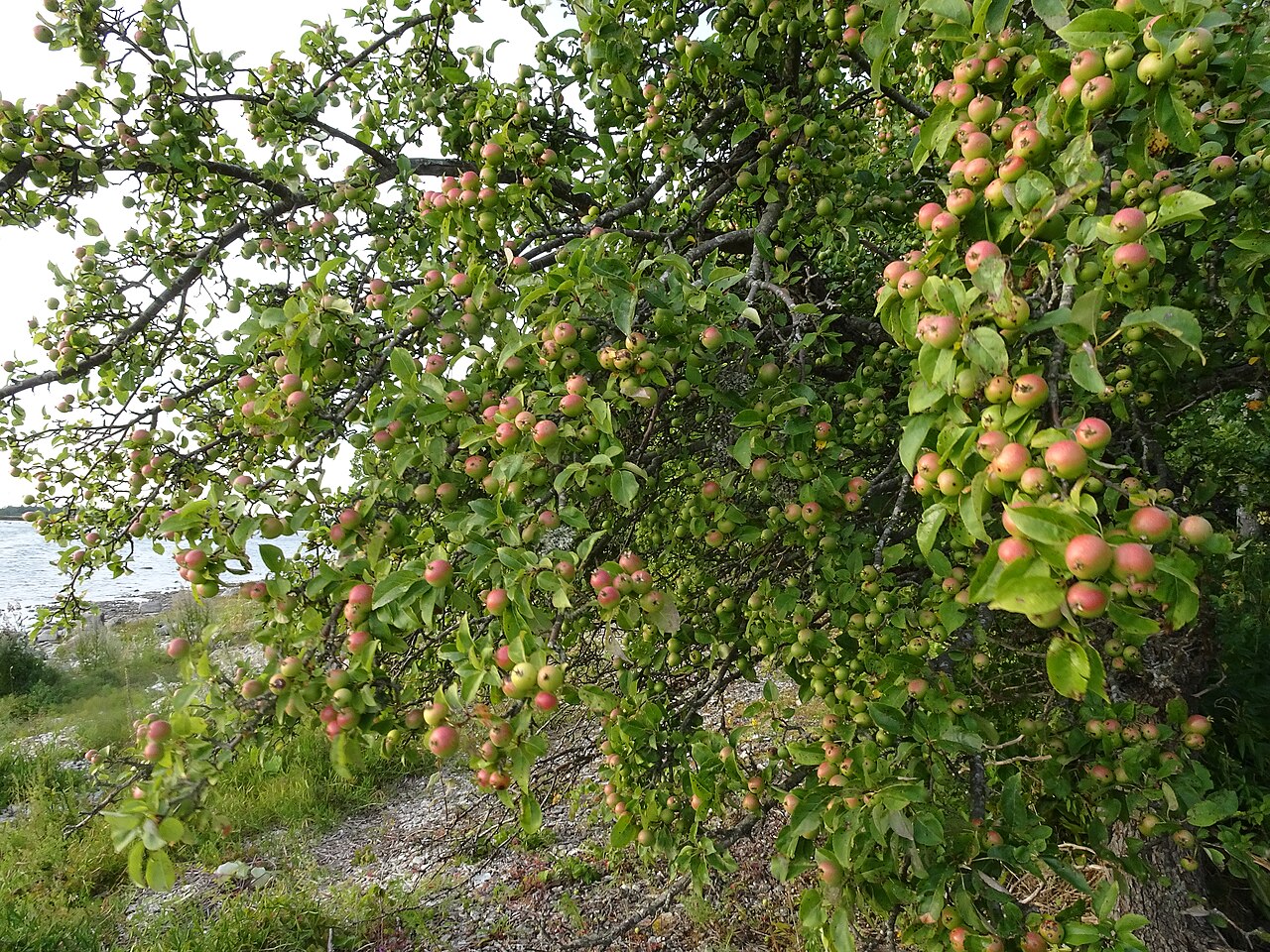 European Crab AppleEuropean Crab Apple · 1.2 mi
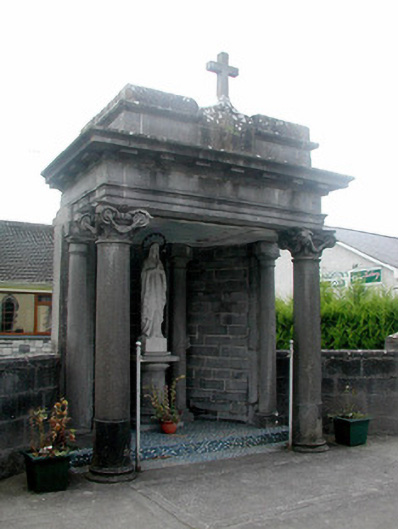 shrine/oratory/grottoshrine/oratory/grotto · 1.9 mi
 CastleHouse, fortified house · 2.1 mi
 Inchnaveague IslandIslet · 3.9 mi
 TogherfinnForest · 3.9 mi
 Castle KellyCastle, tower house · 4.0 mi
 Sally IslandIslet · 4.2 mi
 Mount MaryMountain / peak · 6.8 mi
 Site of Killomaine Grave YardArchaeological place · 12 mi