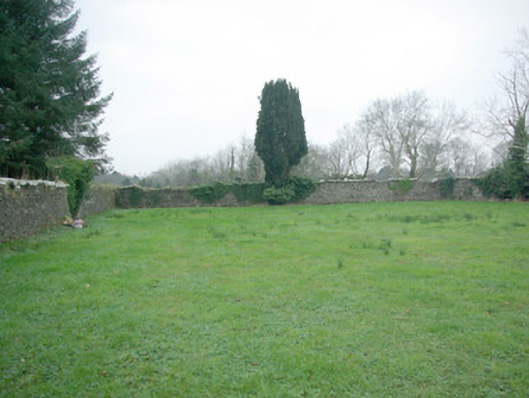
What is recorded here
Former union workhouse graveyard on rectangular-plan, in use c. 1845 – 51 and into twentieth century, containing unmarked graves of victims of the Great Famine. Originally associated with Stranorlar Union Workhouse, demolished sometime during the mid-twentieth century. Now out of use. Uncoursed rubble stone boundary walls with rubble stone coping over, modern repairs in places (c. 1996) and east wall now collapsed. Gates replaced to centre of north and south sections of boundary walls , c. 1996. Square-headed door opening to south wall having red brick voussoirs, and with battened timber framed with horizontal wrought-iron bands. Cut stone memorial plaque (undated) to site reading ‘In Charity Pray for the Soul of Owen Laughlin, Late of Drumfries, Erected by his Sister Jane’. Modern polished stone plaque, erected 1996, reading ‘memory of the victims of famine and all those buried in this graveyard. Erected by Ballybofey and Stranorlar Golf Club 9-12-1996.’ Set back from road to the rear (north) of the site of Stranorlar Union Workhouse and to the north of modern hospital complex, golf course adjacent to site. Site accessed from road by pathway from the south.
This sombre graveyard was originally associated with the former Stranorlar Union Workhouse complex, now demolished. It contains the unmarked graves of victims of the Great Famine (1845 - 51), and acts as a subtle and poignant reminder of this traumatic event in Irish history. The simple memorial plaque dated 1996 adds some dignity to this otherwise largely neglected and forgotten site. A later memorial marker, undated, suggests that this site was in use in the twentieth century, most likely when the workhouse was converted for use as a hospital (now been demolished and replaced by a new facility). Stranorlar Union Workhouse was completed in March 1844 to standardised designs by George Wilkinson (1814-1890). It cost £7,300 to build, and the fittings came to £1,330. It was designed to accommodate 400 and the first admissions took place at the start of May 1844. A 60-bed fever hospital was erected at the north of the workhouse, c. 1848. This simple graveyard now adds as a reminder of this workhouse and, more importantly, of the many hundreds of perhaps thousands of nameless victims of the Great Famine and associated epidemics that were buried here, and is an integral element of the social history of Donegal.
This does not grant access. Most recorded buildings are privately owned; view them only from public ground unless the owner allows entry.
Places near here
 Holy WellHoly well · 452 yd
 IndicatedFairy fort / ringfort · 627 yd
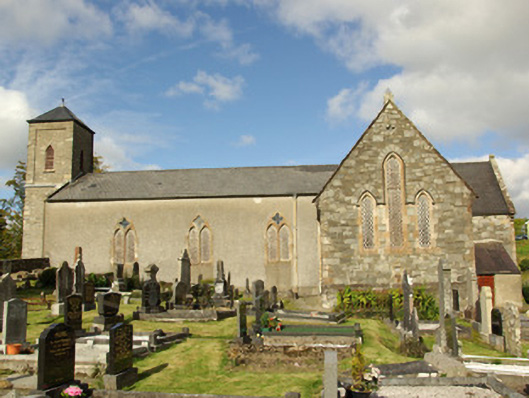 St. John's Church of Ireland Churchchurch/chapel · 834 yd
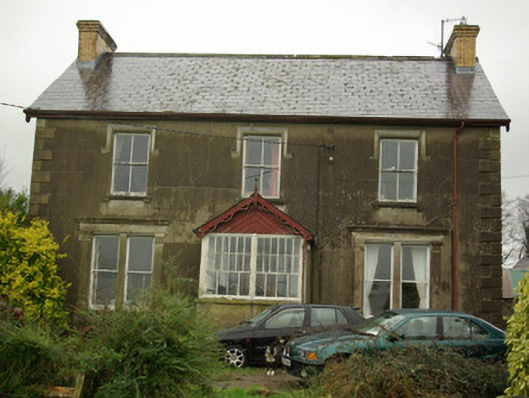 Finn View Househouse · 835 yd
 Drumboe WoodForest recreation place · 1.1 mi
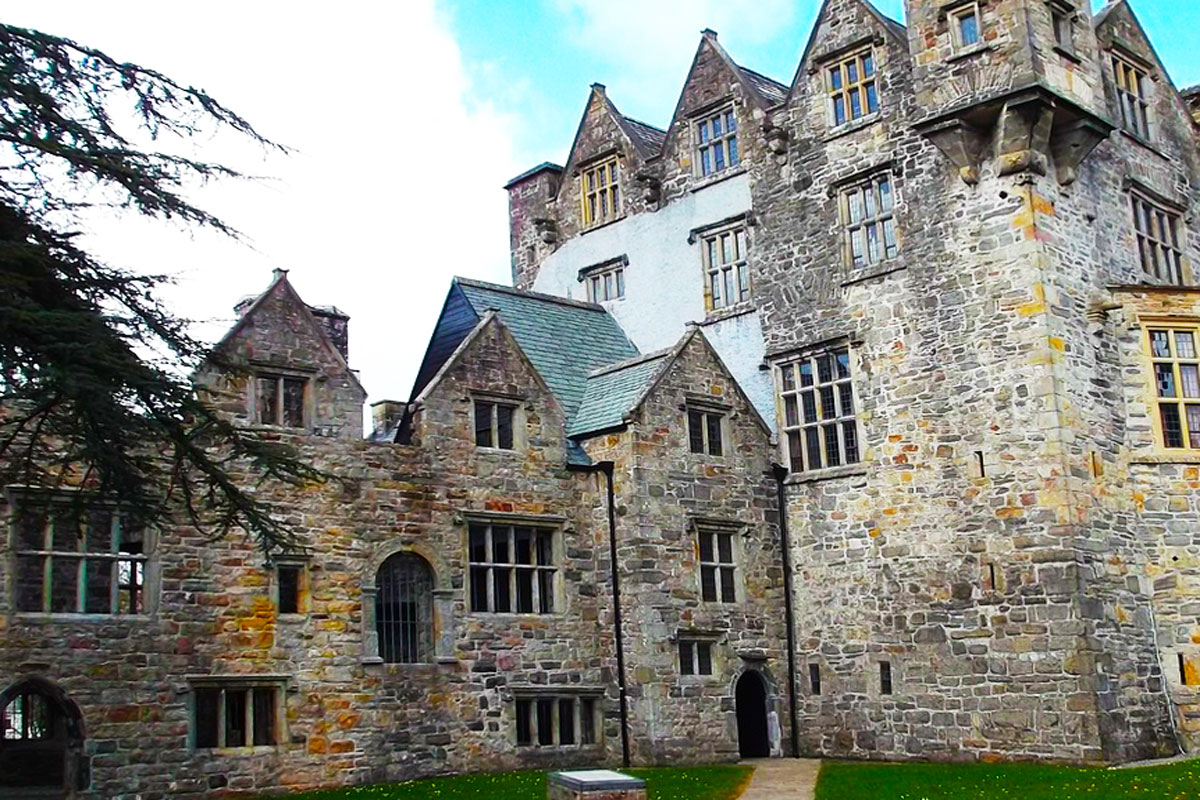 Castle (Site of)Castle, unclassified · 1.1 mi
 Site of CastleCastle, unclassified · 3.1 mi
 Lismullyduff MountainMountain / peak · 4.3 mi
 Gorey HillMountain / peak · 4.6 mi
 Newmills Corn and Flax MillsHeritage attraction · 8.6 mi
 Battle of Scarrifholisbattle · 8.8 mi
 Killeter ForestForest · 9.7 mi
Other information
Photo: National Inventory of Architectural Heritage · Website use allowed for educational or private purposes with source credit