
What is recorded here
In low-lying marshy pasture, on W bank of river. Circular area (diam. 10m), enclosed by low roughly-coursed stone wall, with spring at centre. Access to well, through opening in wall (Wth 1.05m) flanked by concrete piers, at N. Spring covered by roughly-built circular structure with a domed top; access via splayed opening (H 1.4m; Wth 0.5m) on N side with three steps leading down to spring (1.5m N-S; 1.4m E-W). Base of spring is roughly covered with stone slabs. Celtic cross atop dome, with date plaque underneath commemorating its erection in May 1982. Older stone plaque, set in wall to W of opening, decorated with carving of fish, and inscribed "This work was erected by Mr Matt Flood in honour of St James Appostle 1750". Described in 1840 as 'still much restored to on the 25th July (Saint James's Day) ... its waters are believed to be efficacious in curing sores of every description' (OSL, vol. 2, 4). Ó Danachair (1955, 204) adds that prayers at the well 'on the feast day or the following Sunday' were often followed by 'a hurling match, with a dance in the evening'; he also lists a number of legends associated with the well, including 'a large trout in the water' and tradition that well moved when 'filled in by the landlord' to a location 'close by'.
See attached photos taken in 1954 by Caoimhín Ó Danachair, courtesy of and © National Folklore Collection, UCD. The Photographic Collection, F025.21.00099 accessible online at www.duchas.ie/en/cbeg/30966; F025.21.00097 accessible online at www.duchas.ie/en/cbeg/30964; F025.21.00098 accessible online at www.duchas.ie/en/cbeg/30965; F025.21.00069 accessible online at www.duchas.ie/en/cbeg/16963 and F025.21.00096 accessible online at www.duchas.ie/en/cbeg/16972.
See attached colour photographs courtesy of Amanda Clarke
Compiled by: Denis Power
Revised by: Caimin O'Brien
Date of revised upload: 30 September 2020
St. James Well is associated with St. James the Greater, one of the Twelve Apostles, who is venerated in various parts of Britain and Ireland. Traditionally, such wells were sites of pilgrimage and healing, and it is likely that this well was once used for ritual washing or as a focus for local devotions, particularly for cures related to physical ailments or general well-being.
The monument record does not grant public access. Check the route and ask the landowner before entering private land.
- What survives
- Recorded monument
Places near here
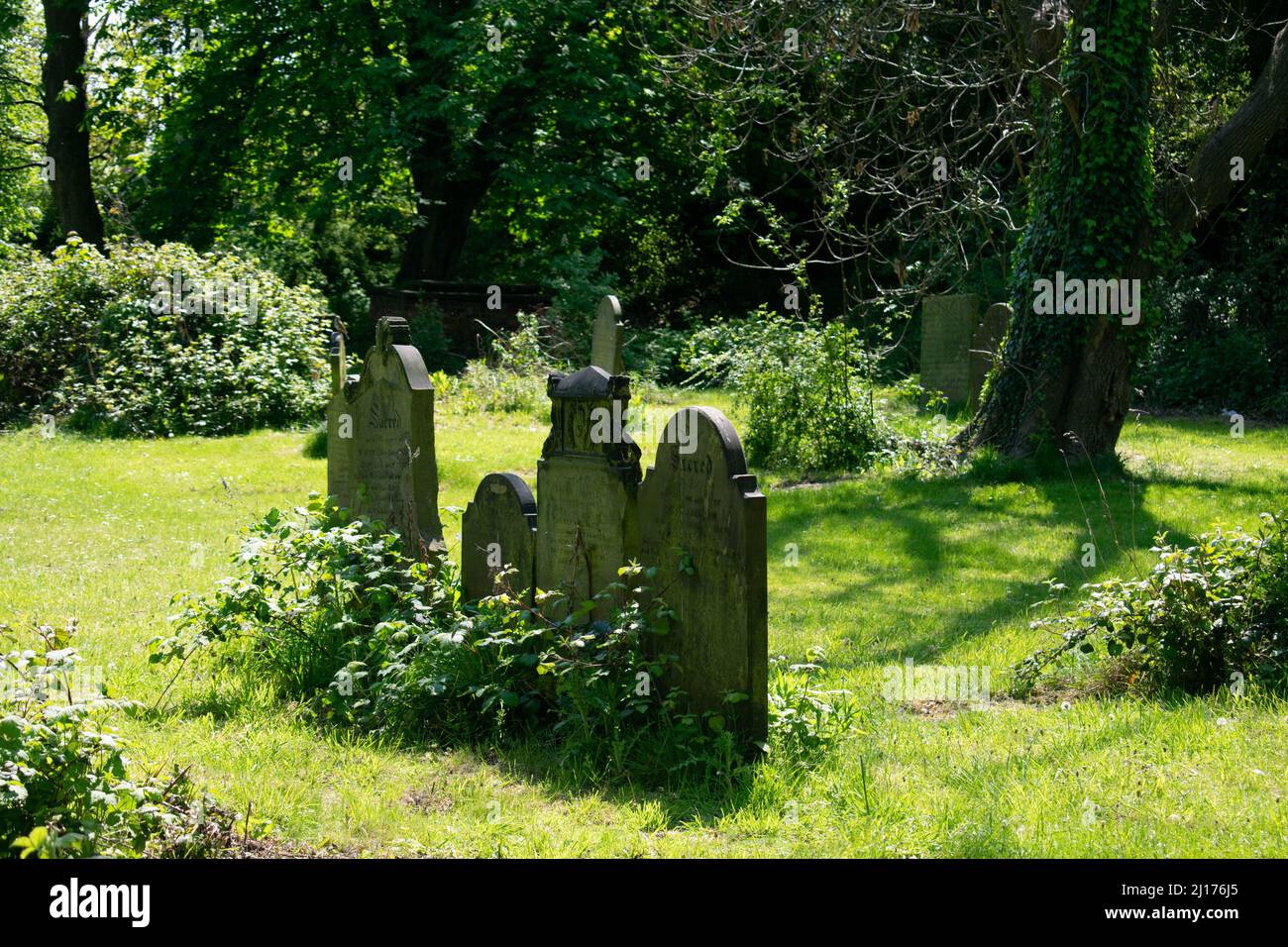 Grave YardGraveyard · 249 yd
 Saint James's Church (Nantinan)church/chapel · 269 yd
 Mill (in ruins)Mill, unclassified · 471 yd
 Burnt mound in BallingarraneBurnt mound · 1.1 mi
 Bawn in StonevilleBawn · 1.1 mi
 Milltown Castle (in ruins)Castle, tower house · 1.2 mi
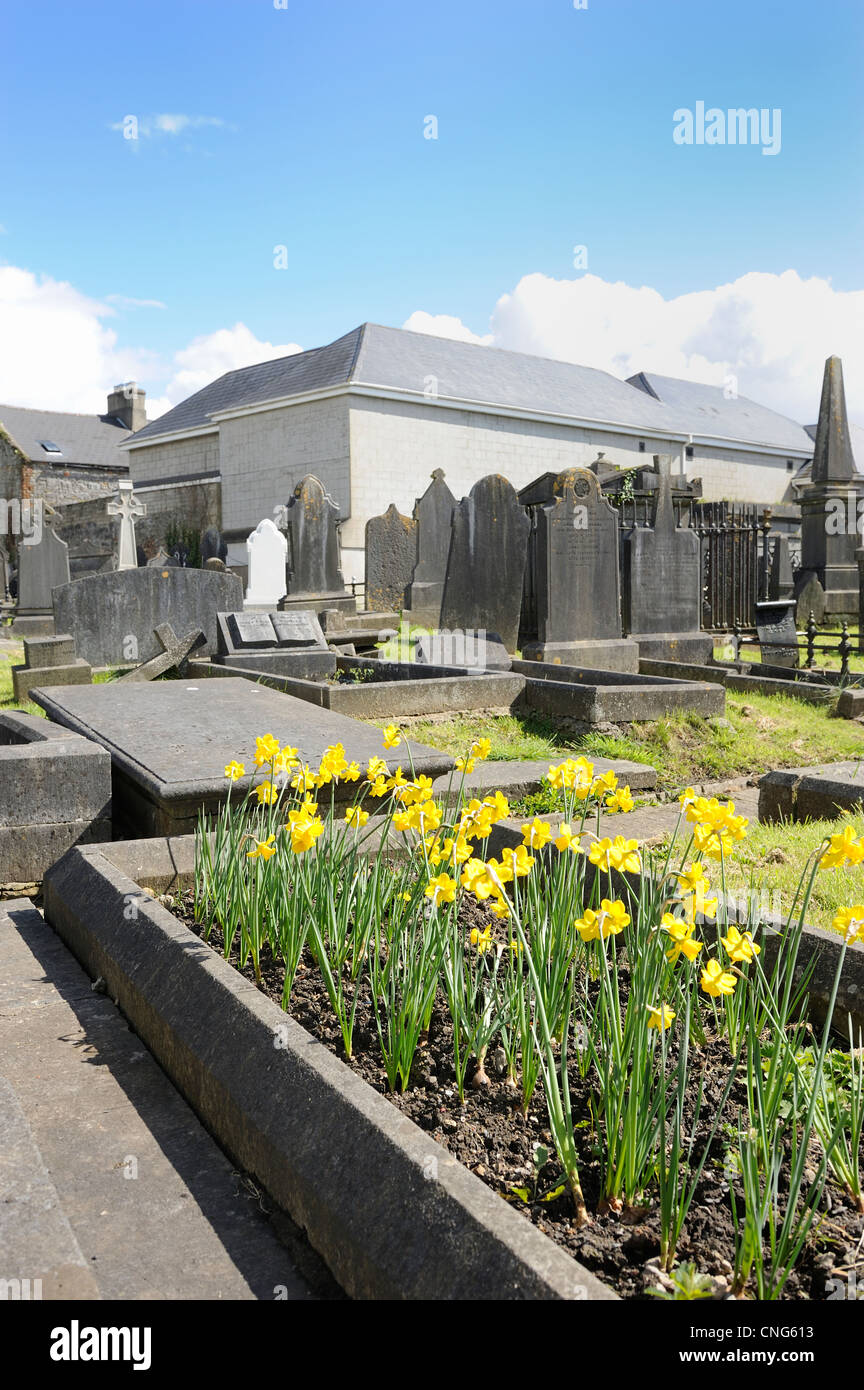 Flat cemetery in CroaghFlat cemetery · 3.0 mi
 Askeaton CastleHeritage attraction · 3.0 mi
 TobernablahySpring · 3.0 mi
 St. Kieran's WellSpring · 3.8 mi
 Little HeavenHeritage attraction · 4.0 mi
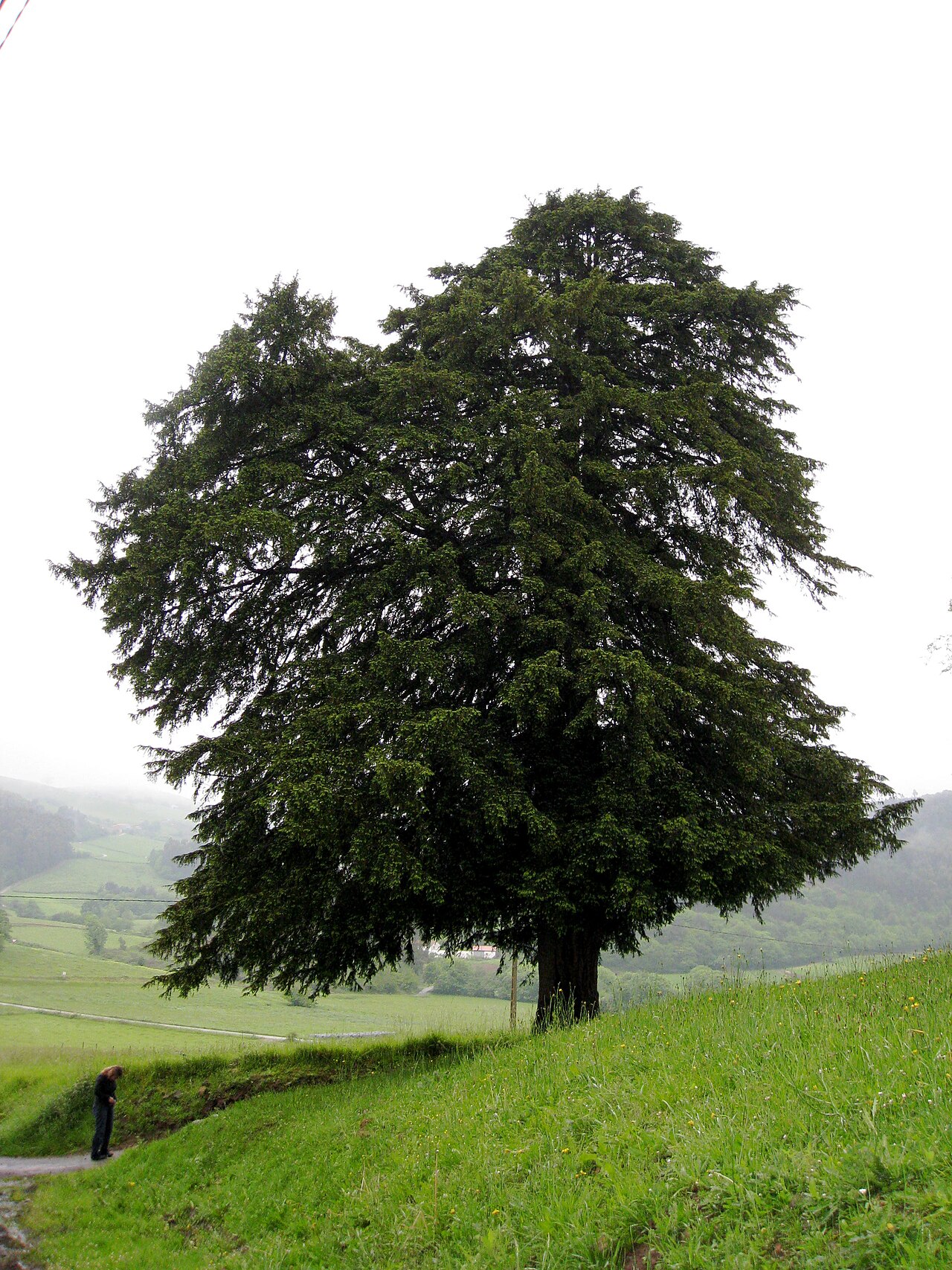 European YewEuropean Yew · 4.7 mi
Other information
Photo: Credit not shown in the picture search · Rights wording not checked; contact us if this picture should be removed