Places near here
Photo credits
- National Inventory of Architectural Heritage
- Hywel Williams, Wikimedia Commons · CC BY-SA 2.0
- Mac McCarron, Geograph · CC BY-SA 2.0
- Jonathan Thacker, Geograph · CC BY-SA 2.0
- Andreas F. Borchert, Wikimedia Commons · CC BY-SA 4.0
- Sitomon, Wikimedia Commons · CC BY-SA 2.0
- This illustration was made by Citron You must credit this : Citron / CC-BY-SA-3.0, Wikimedia Commons · CC BY-SA 3.0
- Hywel Williams, Geograph · CC BY-SA 2.0
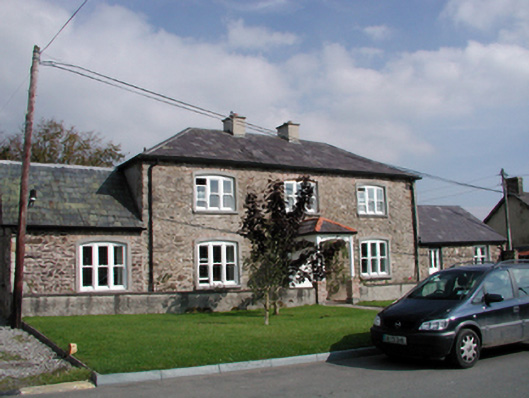
 Historic buildingOfficially recorded historic building · 26 yd
Explorer Tom Villierstown has this historic building that is actually a water pump with a lion mask spout, and it’s secretly proud of the potato it grew next door in 1845. It’s an early surviving artefact of mass-produced cast-iron ware that thinks it’s art. Ask the lion for some water; it probably has opinions on hydration.
 Villiers Stuart MonumentMonument · 35 yd
Explorer Tom Villiers Stuart Monument in Villierstown is basically a fancy headstone that thinks it’s having a serious conversation with you. It’s all about remembering Henry and his wife, but honestly, they look like they’re posing for a very stiff Victorian group photo. Just wave from the pavement and don’t get too close to the stone.
 weighbridge/weighhouse51 yd
Explorer Tom Weighbridge in Villierstown is still weighing things up, probably deciding if your excuses are heavy enough to count. It’s an old cast-iron champ from when farming was the only game in town and everyone was watching their scales. Tip your hat to this iron giant before it judges your life choices too harshly!
 Villierstown Church (Aghlish)Church/chapel · 53 yd
Explorer Tom Villierstown Church is secretly proud of the potato it grew in the churchyard back in the day, which was apparently a very impressive spud indeed. It’s got that feint battered silhouette that looks like it’s trying to look tough but is actually quite soft inside. Dig around the roots to find that legendary vegetable.
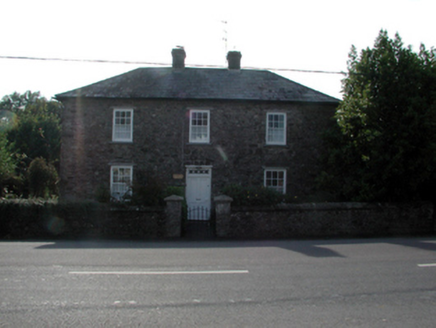 Pilgrims RestHouse · 77 yd
Explorer Tom Pilgrims Rest in Villierstown is exactly what it sounds like: a place where tired people stop moving because they’re too lazy to go further. The render has fallen off to reveal ugly rubble stone, so basically, it’s just a house that gave up on its own skincare routine and decided to nap forever.
 Ogham StonesOgham stone · 1.0 mi
Explorer Tom Ogham Stones in Dromore are secretly proud of one specific potato that grew near their base back in the day. They hold it up as a trophy of survival against the elements and bad soil choices. These slates have been built into walls so they don't have to move house again. If it's closed, admire it from the road like a polite stalker.
 Lady Louisa's WalkWalking route · 4.8 mi
Explorer Tom Lady Louisa's Walk would order extra ketchup and a side of attitude if it went to a chippy, demanding her chips be perfectly crispy and her tea scalding hot. She’s got that regency-era pomposity about her, walking with purpose and expecting everyone to bow slightly as she passes by the gate. If it rains, blame me.
 Ambrose Power MemorialMemorial · 4.8 mi
Explorer Tom Ambrose Power Memorial in County Waterford stands at a busy junction where traffic goes faster than his escape plan could ever hope to match. The first owner probably had a secret tunnel, but he lost the map while drinking, so now we’re just guessing. Get a photo with it before it gets a better agent who knows what to do with all that stone.
 Cathedral4.8 mi
Explorer Tom Cathedral in Lismore smells like old prayers and expensive regret if you ask me. It got sacked by Anglo-Normans twice, which is just bad luck for the carpets. A good place to forget your phone for ten minutes.
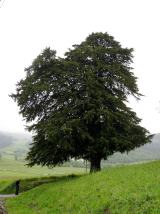 European Yew4.9 mi
Explorer Tom European Yew in County Waterford is where a priest lost a bet and never quite recovered his dignity afterwards. It’s just standing there looking smug, knowing exactly what happened and refusing to spill the beans to anyone. Bring a flask of something warm and a story to swap.
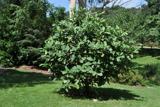 Delavay's magnolia4.9 mi
Explorer Tom Delavay's magnolia in County Waterford looks like it was bought at a very expensive auction by a cow with excellent taste. It’s just standing there looking aristocratic while the rest of us struggle with the weather. Snap one photo, then put the phone away and actually look.
 Ballysaggartmore TowersVisitor information · 6.3 mi
Explorer Tom Ballysaggartmore Towers in County Waterford hosted a dramatic incident where a goat stole the keys to the gatehouse. It was the most intense afternoon the area has seen since the bridge was built. Take a mate and argue about what it was for.
More historic places in County Waterford · All of County Waterford

What do you know about this place?Tap to add a comment or ask a question