Places near here
Photo credits
- National Inventory of Architectural Heritage
- Eric Jones, Geograph · CC BY-SA 2.0
- User:Jaqian, Wikimedia Commons · CC BY-SA 3.0
- Harold Strong, Geograph · CC BY-SA 2.0
- Taken by Fanghong, Wikimedia Commons · CC BY-SA 3.0
- Filip Scridon, Wikimedia Commons · CC BY-SA 4.0
- Paul Shanahan, Wikimedia Commons · CC BY-SA 4.0
- Keith Weller, Wikimedia Commons · Public domain
- NateBergin, Wikimedia Commons · CC BY 4.0
 Focus IrelandConvent/nunnery · 28 yd
Explorer Tom Focus Ireland in County Dublin used to be a convent designed by G.C. Ashlin. Now it’s sheltered housing with some steeply gabled breakfronts. It’s got polychrome brick and granite dressings that look like they’re arguing about who’s prettier. Take a pic of the symmetry!
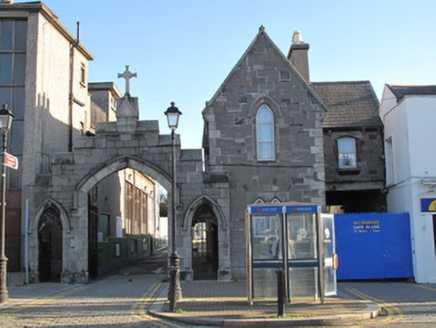 Sisters of Charity ConventGate lodge · 136 yd
Explorer Tom Sisters of Charity Convent gate lodge on Manor Street has a hidden message carved into its stones that just says 'Please Stop Staring', because nobody can resist the fancy Gothic arches. It was built to look rich and important, which is exactly the energy it’s giving off right now while you stand there gawking. Whisper your secret to the iron gates and move along.
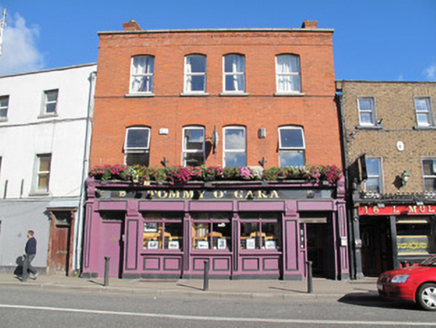 Tommy O'GaraHouse · 140 yd
Explorer Tom Tommy O'Gara in County Dublin is now a pub, but it used to be just a regular house built around 1860. The brickwork has a nice rhythm to it, and the colors are bright enough to wake you up. It’s on Manor Street. Grab a pint photo for me if you’re feeling brave!
 L. MulliganHouse · 141 yd
Explorer Tom L. Mulligan on Stoneybatter is a pub with a grocery nameplate from 1800 still hanging around like an awkward relative at Christmas. It’s got a flat roof and brown brick that looks like it hasn’t washed its face since Georgian times. Take a pint photo for me!
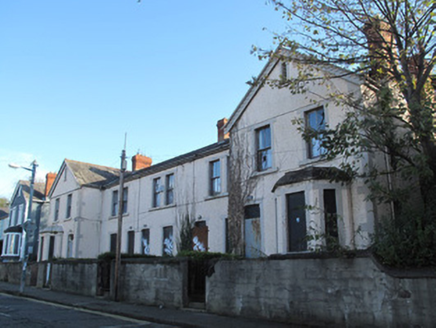 Grangegorman VillasHouse · 143 yd
Explorer Tom Grangegorman Villas are disused now, which gives them a bit of an eerie vibe. The decorative timber bargeboards are still there, though, and they're trying to look lively. Tell me if you see any ghosts peering out.
 Jameson ChimneyHeritage attraction · 494 yd
Explorer Tom Jameson Chimney has a poet who fell in the ditch nearby because he was too busy staring at the smoke to look where he was walking. It’s an industrial relic that refuses to admit it’s just a big, fancy chimney standing in a market square, but sure. Go before the tourists find out.
 Chimney Viewing TowerHeritage attraction · 494 yd
Explorer Tom Chimney Viewing Tower had a fox take charge last Tuesday and run the show with a clipboard, making sure everyone stayed in their lanes and didn’t peek over the edge too aggressively. The fox left a note that said 'Good effort' before hopping down, which is the highest praise you can get from any animal in Dublin. Practise your Irish on it, it won't correct you.
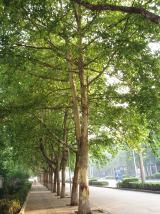 London Plane593 yd
Explorer Tom London Plane in Dublin thinks tourists from the city are just noisy children who don't know how to appreciate shade. Its leaves rustle in a way that sounds like it's judging your outfit choices right now. Find the wonkiest bit of bark and send it straight to your group chat.
 Royal BarracksBarracks · 606 yd
Explorer Tom Royal Barracks: The very first Dublin barracks, built on land bought from the Duke of Ormonde in the early 1700s. It sounds like a real estate deal where the landlord got paid in military discipline and noise.
 Croppies Acre MemorialMemorial · 645 yd
Explorer Tom Croppies Acre Memorial in County Dublin has a great exterior view waiting for you. It’s a memorial, so keep it dignified, but also check out the surroundings. The whole place looks like it’s posing for a history book cover.
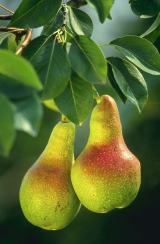 European Pear1009 yd
Explorer Tom European Pear in County Dublin does weird things when nobody's looking, like plotting how to drop its fruit on your head with precision. It’s been doing this for years, and honestly, you’re starting to look like you’ve earned it. Give it a pat on the way past, it's had a long life.
 IndicatedCathedral · 1271 yd
Explorer Tom Cathedral. Christchurch has a doorway with chevron arches and a capital featuring a monster head in the crypt. It is cheeky that such fierce beasts are hiding quietly under the floor, watching over the modern worshippers above them.
More historic places in County Dublin · All of County Dublin

What do you know about this place?Tap to add a comment or ask a question