What is recorded here
An unknown person cut ten rings around a central cup on a rough whinstone near Inchiquin Castle before the stone left County Cork. The radial line pierces the circles like a arrow thrown at the sky, while clustered cups wait beside the main figure like witnesses. The estate moved the stone to Kilkenny and later Dublin, severing it from the river bank where it first caught light.
Found c. 1886 on 'the Ponsonby estate (which centred on Inchiquin castle) in the neighbourhood of Youghal' (Shee 1968, 150). Stone (0.96m x 0.7m; T0.3m) with decorative motifs picked on principal surface. Small cupmark with nine concentric circles; two short arcs of tenth circle on upper left and on right; right radial line in 2 o'clock position, runs through circles and projects beyond outermost. Ten small cupmarks immediately above circles and partly running into them; partly enclosed in lightly picked circle which runs against outermost of concentric circles. Satellite cup and circle attached at upper left of main circles. Four or five irregular cupmarks and dots further left (Shee, ibid.). Stone now in National Museum of Ireland (DU018-427----).
The above description is derived from the published 'Archaeological Inventory of County Cork. Volume 2: East and South Cork' (Dublin: Stationery Office, 1994). In certain instances the entries have been revised and updated in the light of recent research.
Date of upload/revision: 8 March 2016
Precise original location unknown. According to Power et al (1994, 51) this rock art was found on the Ponsonby estate, which centred upon Inchiquin Castle (< 10m OD), on the N bank of the Womanagh River. This is c. 1.2km to S of the N25 Cork to Youghal national route, c. 6km to WSW of Youghal town. According to Finlay (1973), ‘there is no certainty as to its original position’. Wakeman (1886), indicates that it was moved to The Museum of the Association in Kilkenny and subsequently relocated to the National Museum of Ireland, Dublin (DU018-427----). A slightly rough and fractured whinstone (dims. 0.90m x 0.71m; max. T 0.30m) with a subrectangular decorated surface occupying a significant proportion of a flat stone surface, as per Shee (1968, 150-1). The decorated surface is centred upon a cup-and-ten ring motif with two short arcs of the outer ring traceable. A radial groove extends from central cupmark to exterior of the motif. A cluster of ten cupmarks enclosed by a ring and a large cupmark enclosed by a ring, adjoin the exterior of the cup-and-ten ring motif. A cluster of approximately seven other cupmarks are within the vicinity.
Compiled by: Alison McQueen and Vera Rahilly
Date of upload: 7 July 2017
Likely dating to the Neolithic or Bronze Age, the rock art at Inchiquin may have had ritual or symbolic significance, possibly linked to early farming communities or local landscape features. Cupmarks and decorative motifs are commonly associated with ceremonial or territorial marking in prehistoric contexts.
The monument record does not grant public access. Check the route and ask the landowner before entering private land.
- What survives
- Recorded monument
Places near here
 Inchiquin Castle (in Ruins)Castle, Anglo-Norman masonry castle · 1092 yd
 Burgess Cottagehouse · 1320 yd
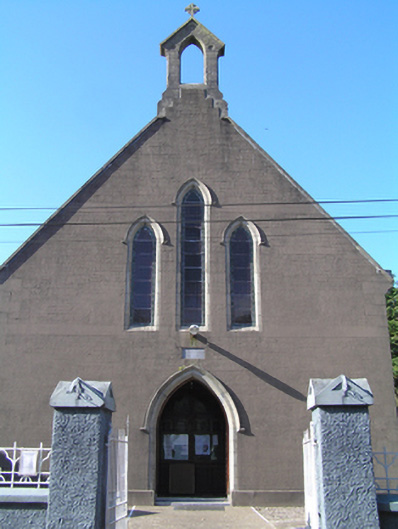 Saint Ita's Roman Catholic Churchchurch/chapel · 1380 yd
 Enclosure in AghavineEnclosure · 1.6 mi
 IndicatedFairy fort / earthen ringfort · 1.9 mi
 Glebe IslandIslet · 2.1 mi
 Historical Graveyard InformationVisitor information · 2.5 mi
 Kilnatoora CastleCastle, tower house · 2.9 mi
 Fainin's WellSpring · 2.9 mi
 Glenbower WoodForest · 3.5 mi
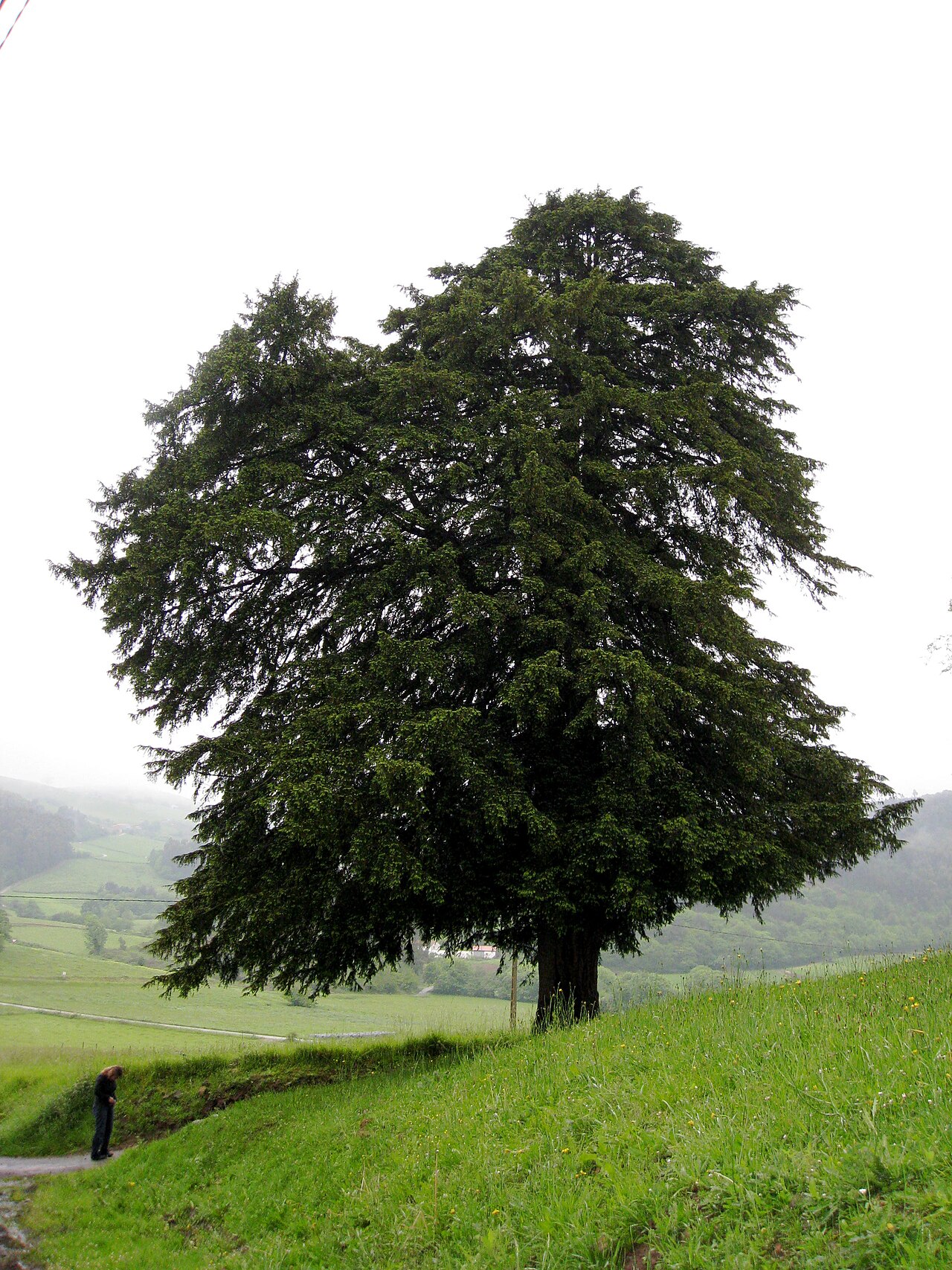 European YewEuropean Yew · 3.9 mi
 Schooner Nellie Fleming 1936Memorial · 4.2 mi