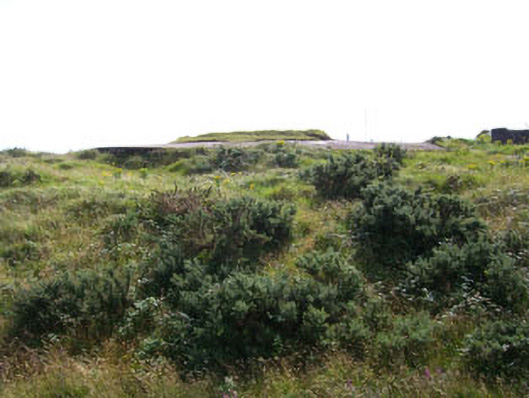
What is recorded here
Freestanding irregular-plan battery, built 1904. Earthen, natural rock and rendered construction comprising east, central and west gun posts (south) with interior buildings and enclosing ditch. Now disused. Gun posts having gun fixings (centre and east) accessed by rendered walkways and flights of steps. Cast-iron railing and wall fixings to gun posts. Entrance (north) through walkway cut into natural rock outcrop. Interior central attached fifteen-bay single-storey building with flanking flights of steps (east and west). Red brick and rendered walls. Flat roof with rendered parapet, coping stones and cast-iron railing accommodating walkway. Square-headed openings with two-over-two timber sliding sash windows, concrete sills and cast-iron window guards. Square-headed door openings. Central segmental-headed door opening. Five-bay single-storey lookout to north-east of interior having bow-fronted north elevation. Flat chamfered rendered roof with rendered eaves course. Rendered walls. Square-headed openings with cast-iron window guards. Square-headed splayed openings to north elevation. Square-headed door opening. Shower block to west of lookout comprising rendered and red brick walls.
This defensive feature is typical of batteries constructed on Bere Island at the beginning of the twentieth century. Distinctive elements of this particular battery include a bow-fronted lookout and strategically positioned gun posts. The discreet positioning of the battery in the landscape allows it to be completely unobtrusive. Bere Island was recognized as being of great strategic importance following an attempted invasion of Ireland in 1796 by a French Fleet. The British built four Martello Towers and a signal tower on the island, as part of a chain of defence along the coast, in anticipation of any further attempts. In 1898 the east end of the island was compulsory purchased by the War Department and fortifications and were built to protect British Dreadnoughts when they were in port. Accommodation for officers and men, along with store houses and other ancillary buildings were also constructed at this time. Additional works were undertaken in the first part of the twentieth century. Under the terms of the Anglo-Irish Treaty in 1921, the deep water port at Bere Island, along with those Cobh and Lough Swilly remained in British control until 1938.
This does not grant access. Most recorded buildings are privately owned; view them only from public ground unless the owner allows entry.
Places near here
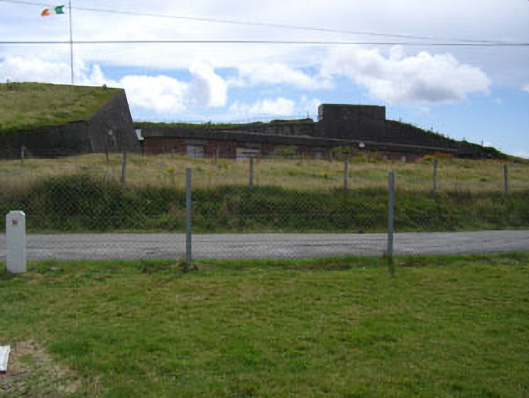 batterybattery · 68 yd
 Enclosure in RerrinEnclosure · 159 yd
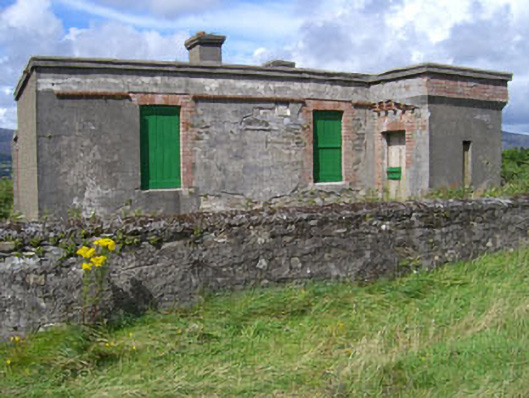 officer's houseofficer's house · 169 yd
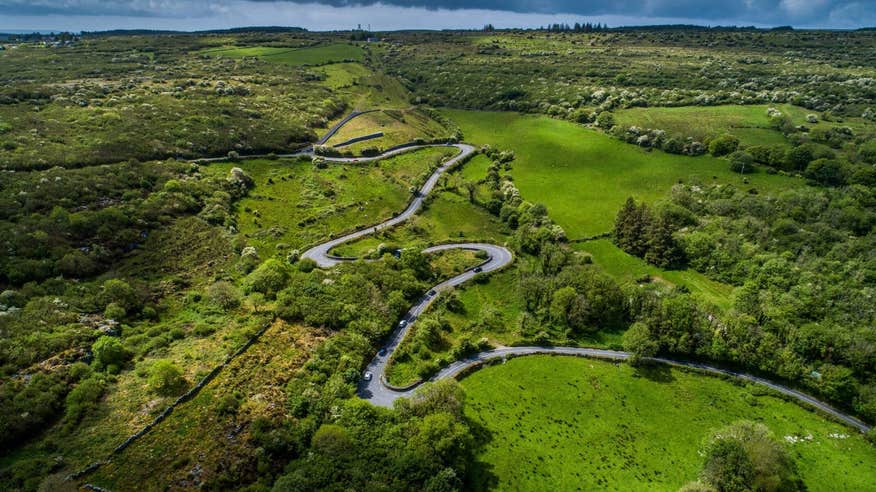 Structure in RerrinStructure · 496 yd
 Rerrin LoopWalking route · 511 yd
 Turk IslandIslet · 729 yd
 TrawnablahaBeach / strand · 1.9 mi
 Bere IslandIsland · 1.9 mi
 Holly HillMountain / peak · 2.3 mi
 KnockanalligMountain / peak · 2.9 mi
 Burial ground in DerrycreeveenBurial ground · 3.9 mi
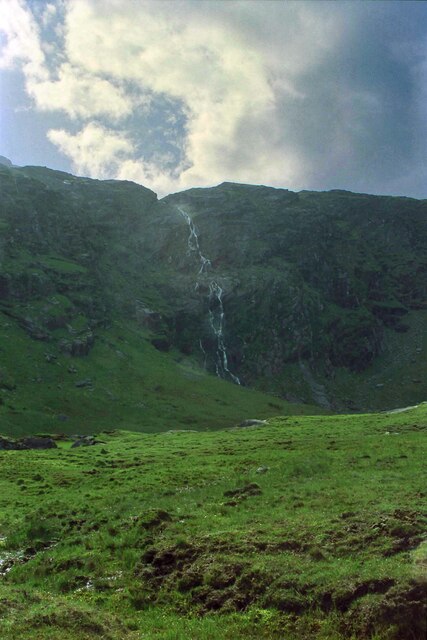 Mare's Tail WaterfallViewpoint · 4.0 mi
Other information
Photo: National Inventory of Architectural Heritage · Website use allowed for educational or private purposes with source credit