
What is recorded here
No giant is named, yet children once drew the forgotten giant because the narrow gallery still points southwest like a finger aiming at the horizon. The missing back-stone and leaning side-stones suggest a chamber that once excluded rain, memory and time. On its valley rise, the tomb does not claim to be grand; it keeps a smaller, sharper shape, as if death itself learned to fit inside a wedge.
Located on a rise in a slight NW-SE valley. It is recorded in the folk tradition (IFC, Schools’s MSS, 940, 41: https://www.duchas.ie/en/cbes ) as a giant’s grave and while the name of the giant is not known, it does provide a sketch. This monument consists of a narrow gallery (L c. 4.5m; Wth 1.9m) aligned NE-SW and facing SW, but the back-stone is missing. It is defined by four or five side-stones flanked on either side by outer walling which extends 2m beyond the gallery to the SW. There is a marked decrease in the height of the orthostats from SW to NE. One roof-stone lies SE of the gallery. (de Valera and O' Nualláin 1982, 131)
The above description is derived from the published 'Archaeological Inventory of County Monaghan' (Dublin: Stationery Office, 1986). In certain instances the entries have been revised and updated in the light of recent research.
See the attached sketch from the Schools' Manuscripts
Revised by: Michael Moore
Date of revision: 31 January 2018
Wedge tomb, dating to the Late Neolithic or Early Bronze Age (c. 2500–1000 BCE). Its significance lies in its characteristic trapezoidal shape and its association with local folklore, reflecting both archaeological and cultural heritage.
The monument record does not grant public access. Check the route and ask the landowner before entering private land.
- What survives
- Recorded monument
Places near here
 Burial ground in Shankill (cremorne By)Burial ground · 353 yd
 farmyard complexfarmyard complex · 455 yd
 IndicatedFairy fort / earthen ringfort · 662 yd
 CarrickcreenyMountain / peak · 1243 yd
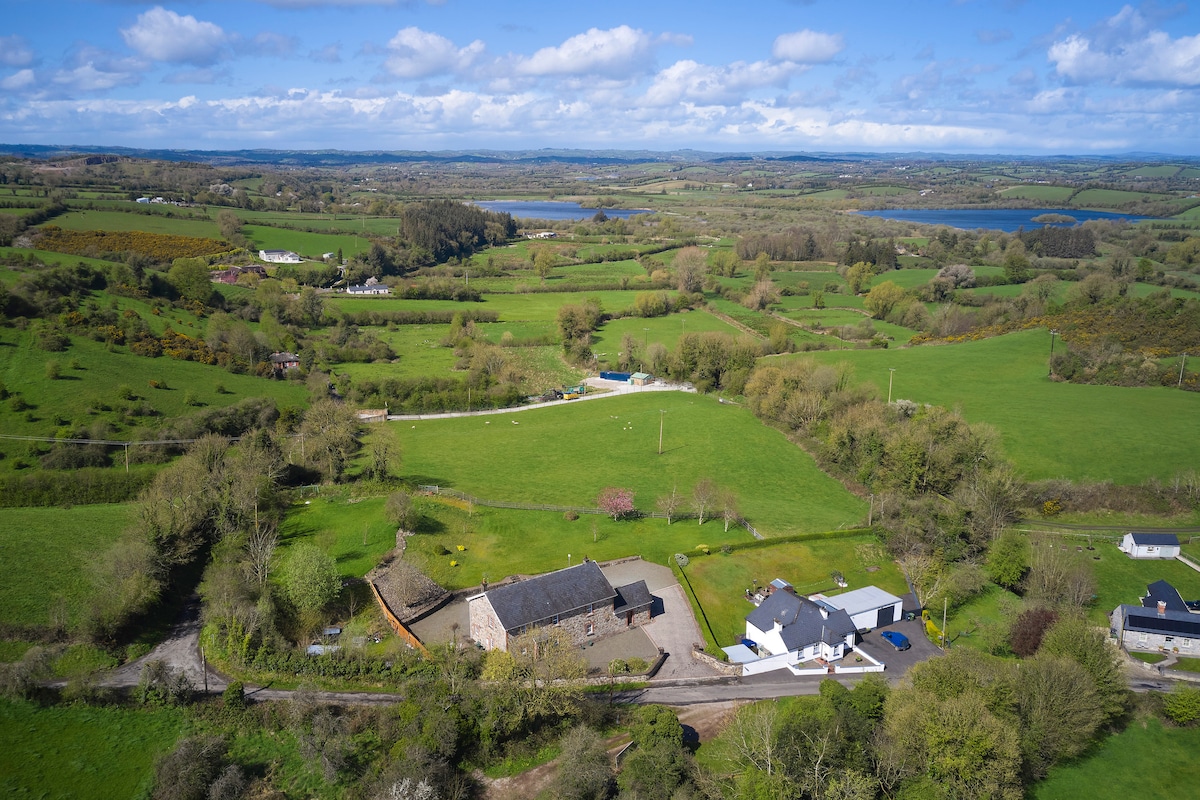 Sillan LakeshoreWood · 1698 yd
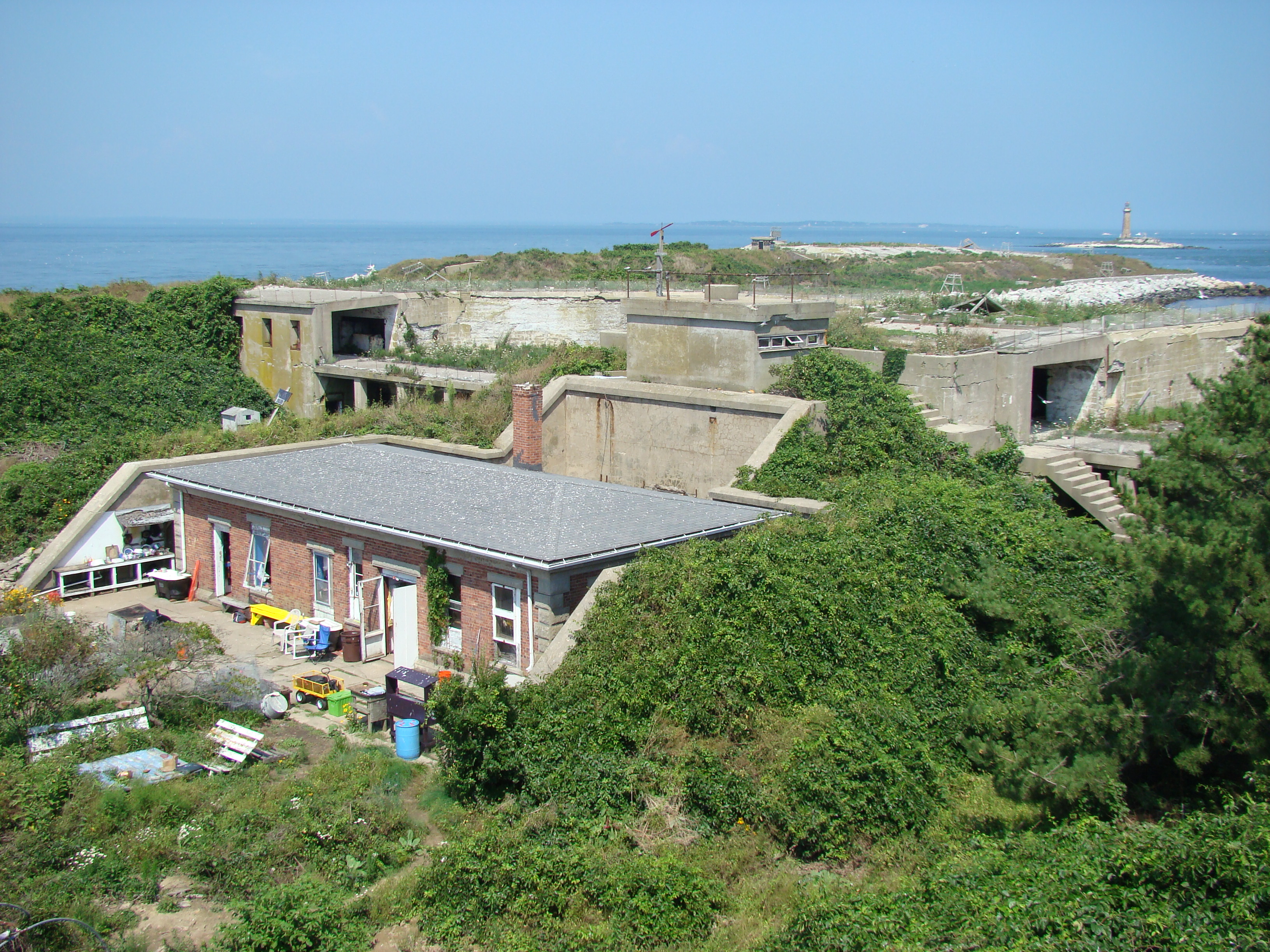 Gull IslandIslet · 1755 yd
 Bush IslandIslet · 1.0 mi
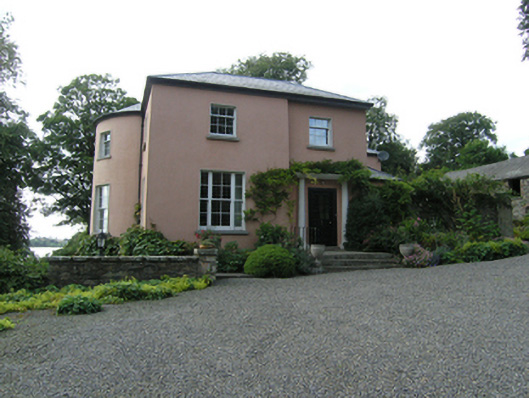 Lough Sillan Houserectory/glebe/vicarage/curate's house · 1.1 mi
 Bawn in LisdrumskeaBawn · 1.2 mi
 RaferaghMountain / peak · 2.6 mi
 Senator Billy Fox 1939 - 1974Memorial · 2.6 mi
 Kinnea Corlattylannan ForestForest · 3.3 mi
Other information
Photo: Wanfried-Dublin · CC BY-SA 4.0